When an armed mob descends on a Palestinian village, the state narrative usually frames it as spontaneous chaos. It's a convenient illusion. Look closer at the occupied West Bank, and you'll see a coordinated pattern where armed movement and military backing merge into a single tool for land seizure.
The Blurring Lines Between Uniforms and Civilian Clothes
If you look at how things used to operate decades ago, people tried to separate the actions of the regular military from the actions of ideological settlers living in unauthorized outposts. That distinction evaporated long ago. Today, armed residents in jeans and tactical gear operate hand-in-hand with troops who maintain the official chain of command.
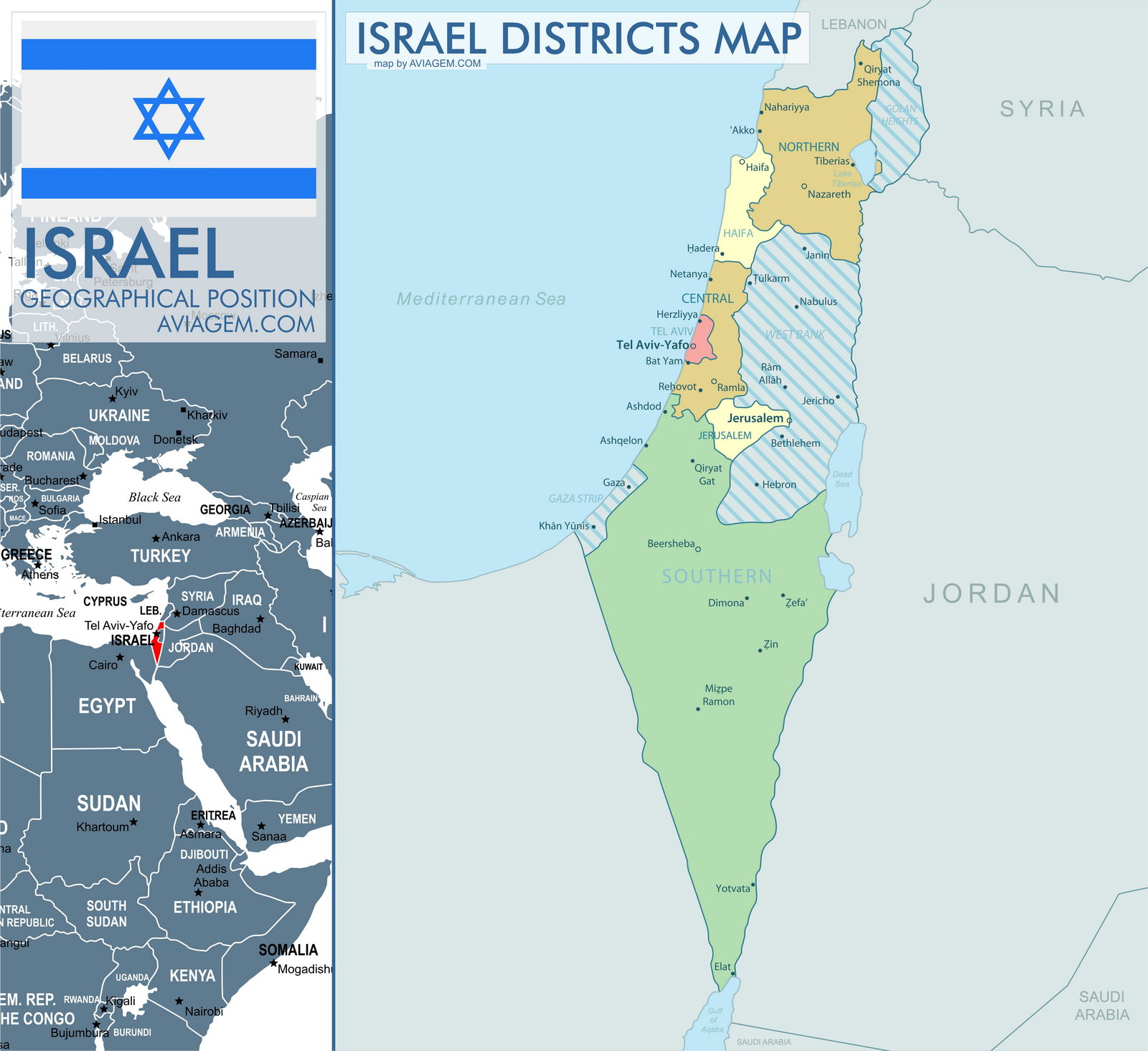
Take what happened recently near the village of Tal in the northern West Bank. An armed group of settlers moved into the area, triggering a deadly confrontation that left multiple Palestinians and Israelis dead. Instead of treating the incursion as an illegal entry into Palestinian-administered territory, official statements quickly reframed the entire sequence as a security crisis requiring military expansion.
Defence Minister Israel Katz openly stated that expanding these settlements is now a core priority for national security. When government officials treat outposts as strategic assets rather than legal violations, the message to people on the ground is simple. Violence isn't an aberration. It's state policy by proxy.
How the Sequence Works on the Ground
Territorial conquest doesn't happen overnight. It relies on a three-step cycle that repeats across villages from Nablus to Hebron.
- Military Softening: The army moves in first with heavy operations, restricting movement, destroying local infrastructure, and detaining residents.
- Settler Incursions: Once a community is worn down and isolated, armed groups launch raids, torch properties, burn fields, and attack local infrastructure like mosques and olive groves.
- Administrative Consolidation: The government steps in afterward to finalize the changes, establishing new outposts or retroactively legalizing structures on confiscated land.
This exact rhythm played out in places like Jenin and various rural farming communities. Human rights monitors, including groups reporting to the United Nations, note that hundreds of Palestinians have been injured or displaced by settler attacks over recent months, while security forces stand by or actively provide cover.
The Real Objective Behind the Headlines
Every time a major clash happens, official spokespeople point to the immediate spark—a shooting, a protest, a confrontation—to justify a broader crackdown. But focusing only on the spark misses the bigger picture.
The primary goal is demographic and physical fragmentation. By making daily life unsustainable through roadblocks, checkpoints that trap pregnant women, and school buses targeted by stone-throwing mobs, the pressure to abandon ancestral land becomes overwhelming. When a Palestinian man manages to resist or disarm an intruder, the resulting state reaction is disproportionately severe because it threatens the monopoly on forced displacement.
Treating these events as isolated security incidents ignores reality. The landscape is being systematically reconfigured, block by block and hill by hill, driven by a deliberate strategy of territorial acquisition.