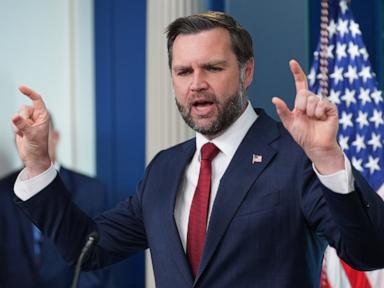
Vice President JD Vance stood at a White House press podium and rejected a basic reality of modern foreign policy. He said the ongoing clash with Iran isn't a war. Voters heading to the polls on November 3 for the congressional elections might feel differently.
When a conflict stretches past six months, shipping lanes face regular disruptions, and regional allies like Kuwait take fire, semantics stop mattering to regular people. But semantics matter a lot when you're trying to protect narrow majorities in Congress. The Trump administration faces a tough political puzzle right now. They promised a quick intervention lasting just a few weeks. Instead, they're stuck managing a grinding confrontation with no clear finish line in sight.
The Semantic Battle Over What Counts as a War
During a recent briefing, reporters pressed Vance on whether the fighting would wrap up before midterm ballots get cast. His response was telling. He brushed off the label entirely. He claimed there was no active shooting at that exact moment.
That defense falls apart under basic scrutiny. Iran retaliated for U.S. airstrikes by launching fire at Kuwait. Commercial vessels continue to get targeted in the vital Strait of Hormuz. Vance tried to frame the military involvement as a routine responsibility aimed at keeping trade routes open. He argued that the U.S. military is merely escorting commercial tankers, noting that about 15 million barrels of oil moved through the waterway on a single recent day with Navy assistance.
Energy Secretary Chris Wright cited similar numbers, pointing to 17 million barrels carried through under naval watch. Yet, independent maritime trackers tell a different story. Shipping data from firms like Lloyd's List Intelligence shows transit numbers sitting well below pre-conflict averages. Before the hostilities began, daily transits routinely cleared 130 ships. Recent weekly tallies hover much lower, proving that the threat to global commerce remains very real.
Navigating Political Realities Before November
Elections change everything in Washington. White House strategy calculations now revolve around avoiding a political disaster while keeping hard-liners in Tehran boxed in.
The administration's approach has shifted into a holding pattern. Trump wants to avoid a full-scale, ground-troops-style escalation that would alienate war-weary voters. At the same time, he can't afford to look weak by making major concessions to Tehran over the Strait of Hormuz—a choke point that handles roughly 20 percent of the world's traded oil.
Iran claims its economy has absorbed roughly $270 billion in direct and indirect damage. Early Israeli strikes took out much of the upper echelons of the regime, including Supreme Leader Ayatollah Ali Khamenei. Yet, the remaining leadership refuses to back down, finding asymmetrical ways to project power through regional strikes and naval harassment.
The Economic Anxiety Voters Actually Feel
Oil prices tell the real story of why this foreign policy entanglement hurts domestically. Brent crude hovered above $95 per barrel recently, a massive jump from the $72 baseline seen before the conflict kicked off.
Voters notice fuel prices at the pump long before they parse White House talking points about barrel counts. When inflation ticks up and international shipping remains bottlenecked, the political cost mounts quickly.
The White House also faced intense scrutiny over transparency when casualty reporting systems quietly reclassified fallen soldiers and wounded troops during the summer months. Pentagon officials insist their Defense Casualty Analysis System remains accurate, but the adjustments drew sharp questions from watchdog groups and political opponents alike.
When asked directly when the engagement will finally conclude, Vance offered no guarantees. He threw the question back on the adversary, stating that the timeline depends entirely on when Iran decides to stop firing at ships.
That answer might be strategically honest, but it offers zero comfort to lawmakers fighting to save their seats in November. Stop looking for easy answers in a messy foreign policy gridlock. The standoff continues because neither side can afford to blink first.
Watch this White House Press Briefing coverage to see how administration officials addressed questions regarding the timeline and military strategy.
http://googleusercontent.com/youtube_content/1