Money meant to pull people out of poverty doesn't just vanish. People move it. Bureaucrats shift it. Governments look the other way.
The World Bank isn't playing nice anymore. When international lenders hand over millions for development, they expect receipts. They expect pipelines to be built, schools to be fixed, and local communities to see a difference. Instead, money designated for Balochistan got redirected. Transparency international watchdogs flagged it. Officials scrambled.
You need to know how these financial mechanics work behind closed doors. Let's break down the Balochistan fund diversion crisis.
Where Did the Money Go
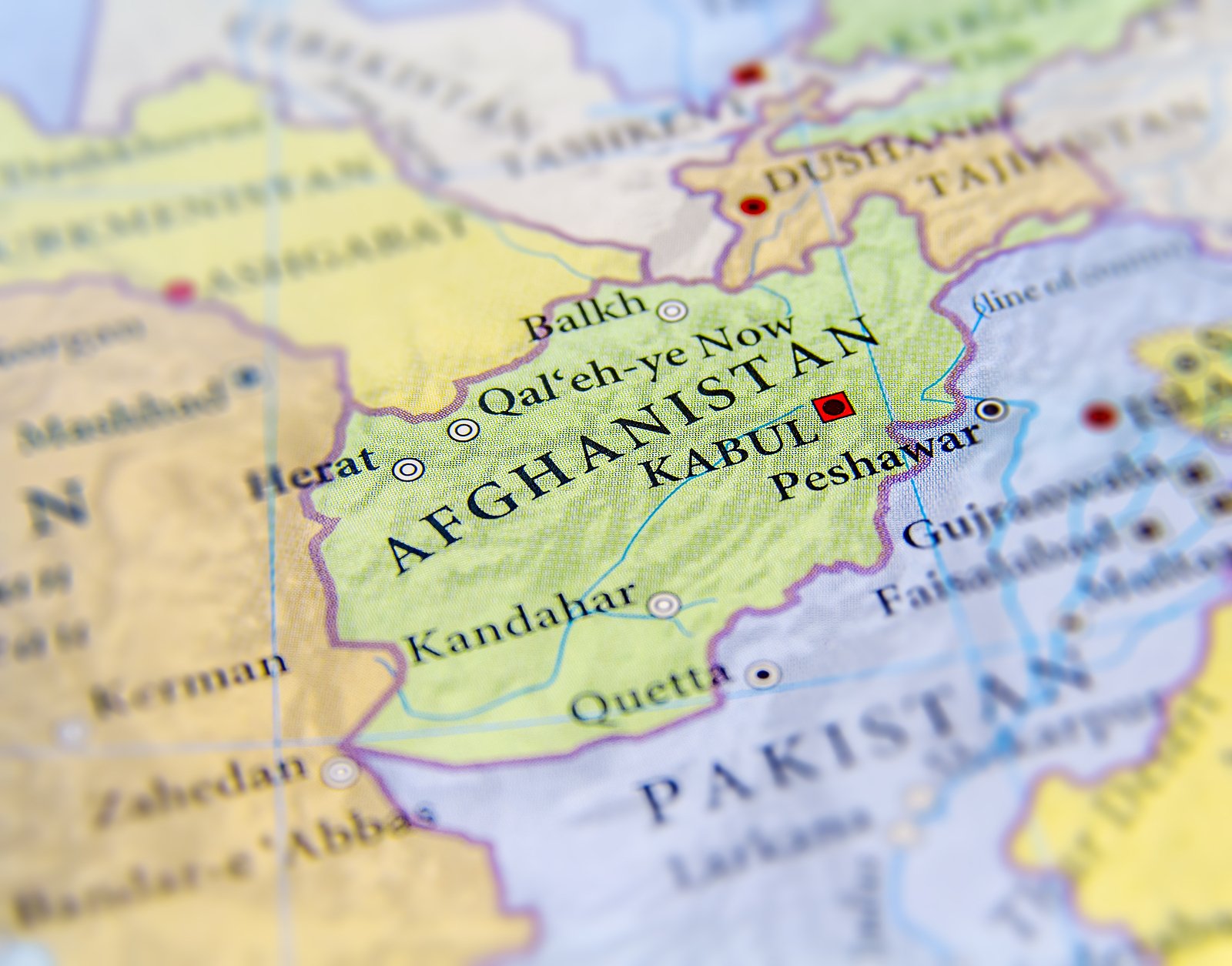
Balochistan remains Pakistan's largest yet most impoverished province. Roads are rough. Clean drinking water is scarce. Healthcare infrastructure barely exists outside major hubs. International organizations step in precisely because local budgets fall short.
Loans and grants arrive with strict conditionalities. Auditors track every single transaction.
Yet, funds meant for regional uplift routinely find their way into recurring expenditures or unrelated government bailouts. Officials justify it as an emergency cash crunch measure. Lenders call it a breach of trust.
When millions get diverted from infrastructure projects, real people pay the price. Contractors go unpaid. Equipment sits idle in dusty yards. The gap between paper budgets and ground reality widens.
The Accountability Trap
Governments love foreign loans because the interest rates look manageable on paper. They hate the accountability attached to those loans.
Local ministries juggle multiple financial crises at once. When a payroll deadline hits or a fiscal deficit balloons, the temptation to dip into restricted project accounts is massive. Bureaucrats gamble that international monitors won't notice the shortfall until years later, or that political shifts will render old audits irrelevant.
That calculation fails today. Digital auditing tools and independent third-party monitors catch discrepancies much faster than before.
The World Bank's reaction signals a shifting dynamic. International financial institutions face heavy pressure from their own tax-paying member states to prove competence. Handing out cash to regions plagued by structural corruption invites domestic political backlash in Washington and Europe.
What Happens Next for Local Development
Stalled projects mean local populations lose faith in governance. When a multi-million-dollar water management program stalls halfway through because funds leaked elsewhere, cynicism sets in.
Fixing this requires structural overhauls that politicians resist. Real reform means giving independent anti-corruption bodies teeth. It means prosecuting officials who authorize illegal diversions.
Don't expect quick fixes. International lenders will likely freeze future tranches until independent auditors verify existing spending.
Keep an eye on upcoming budget allocations. If transparency metrics don't improve, expect further isolation from global financial markets. The cost of mismanaging development funds is finally catching up.