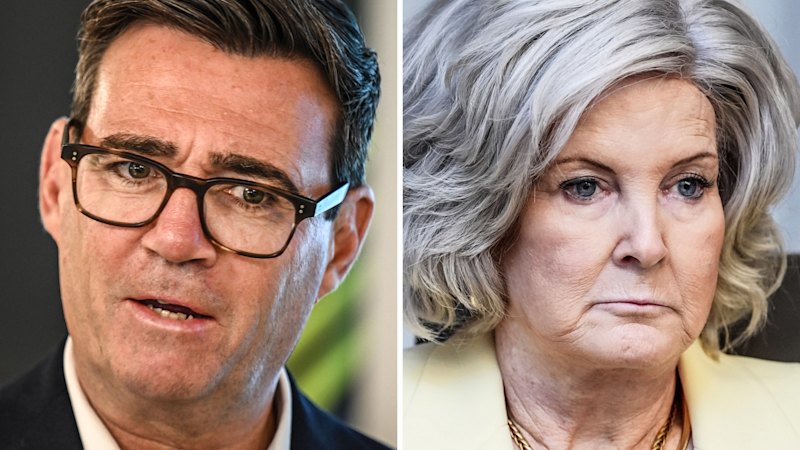
High-ranking politicians fall for digital trickery way too often. British Prime Minister Andy Burnham recently found himself exchanging text messages with an impostor pretending to be White House chief of staff Susie Wiles.
Yes, you read that right. The leader of the UK government engaged in a back-and-forth chat before his internal radar finally went off.
It is an embarrassing security slip-up. It also highlights a massive, ongoing vulnerability in how modern political power communicates.
The Anatomy of a Downing Street Security Breach
The details coming out of Westminster and Washington paint a familiar, messy picture. Burnham, who took office at 10 Downing Street following a transition of power, traded a small handful of messages with someone falsely claiming to be Trump’s top aide.
According to officials familiar with the incident, the exchange did not involve a live phone call or any deep, confidential state secrets. The messages were described as having "no significance". Yet, the mere fact that a foreign imposter managed to breach the perimeter of a prime minister's messaging channels is a wake-up call.
Burnham eventually grew suspicious of the dialogue, stopped replying, and the incident was escalated to proper authorities. Even so, the British embassy in Washington felt compelled to raise the alarm directly with the White House.
Downing Street offered the standard corporate defense when pressed by reporters. They stated they "do not comment on national security matters". They did not, however, deny that the text exchange took place.
A Pattern of High-Level Digital Carelessness
This is not an isolated incident. Digital security protocols among top global officials remain shockingly porous.
Last year, the FBI launched an active investigation into security breaches surrounding Susie Wiles' personal phone. Unauthorized actors had managed to access her contacts or mimic her identity to target prominent business leaders and high-profile Republicans. It is entirely possible—though unproven—that the person who targeted Burnham used methods stemming from that earlier compromise.
Political leaders love the speed of mobile messaging apps. They want fast updates and back-channel access. Unfortunately, hackers and pranksters love this habit even more.
Consider previous blunders. Former British Foreign Secretary Lord David Cameron fell victim to a video call hoax in 2024 by someone pretending to be former Ukrainian president Petro Poroshenko. Cameron exchanged text messages with that impostor too, later expressing clear regret.
Across the Atlantic, the White House has battled its own internal messaging scandals. Late last year, an internal Pentagon inspector general report revealed that defense leadership had used unsecured group chats for sensitive military discussions—even accidentally adding journalists to secure threads.
Why Secure Channels Fail Leaders
Most people assume world leaders use military-grade, unhackable communication devices guarded by elite cybersecurity teams. The reality is much messier.
Politicians rely heavily on personal cell phones and consumer messaging apps for convenience. When a text pops up claiming to be from a vital foreign counterpart, protocol often bends to urgency. Officials want to establish rapport quickly, especially after a leadership change.
Impostors exploit this psychological rush. They count on the target wanting to look responsive and plugged in. By the time the recipient notices odd phrasing, delayed verification, or suspicious routing, the conversation has already happened.
What Needs to Change Right Now
Fixing this problem requires abandoning convenience-first communication habits. Governments must enforce strict operational security rules for mobile messaging.
- Mandatory Out-of-Band Verification: No official should ever trust a first-time text or digital ping from a foreign counterpart without independent voice verification through secure diplomatic channels.
- Audit Personal Device Usage: Leaders must stop blending personal phones with high-level political outreach.
- Zero Trust Policies: Treat every inbound unverified message as hostile until proven otherwise, regardless of how important the sender claims to be.
Until political offices treat basic text messaging with the same paranoia they reserve for physical security briefings, impostors will keep getting through the door.