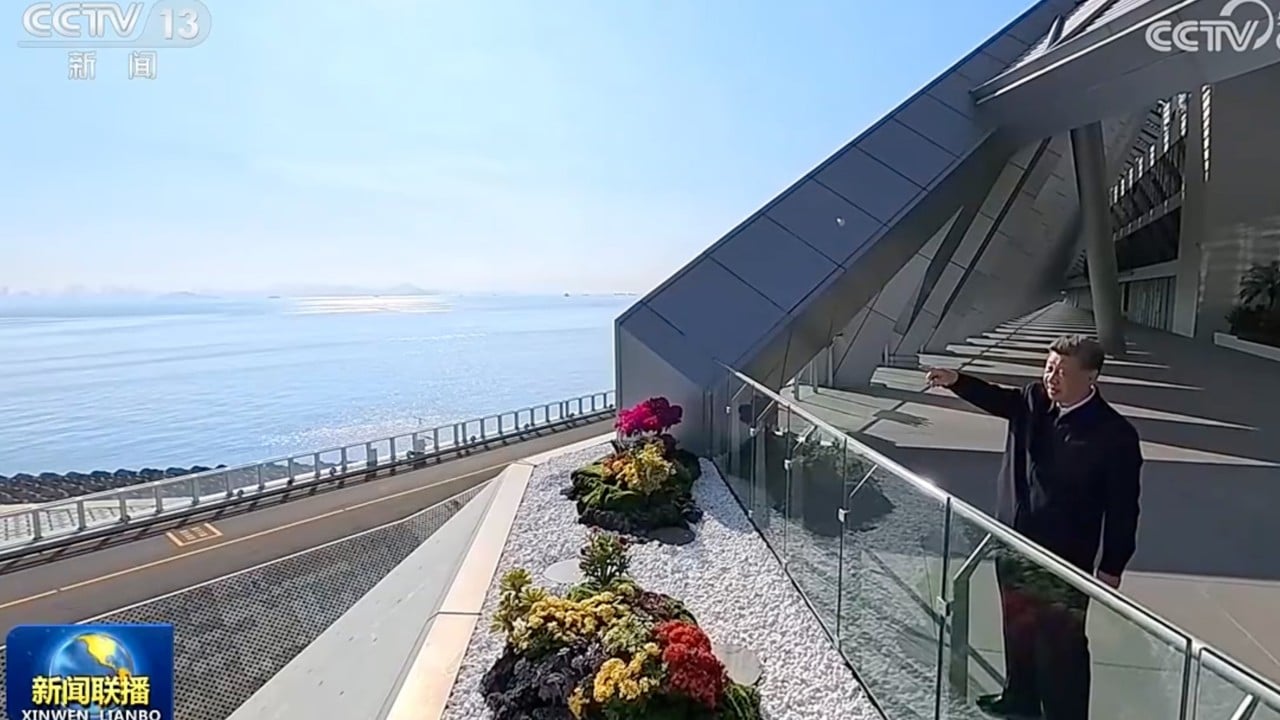
When top leadership steps into a specific regional hub, planners take notes immediately. Chinese President Xi Jinping recently focused national attention on Zhongshan during an inspection tour through Guangdong Province, delivering clear instructions on how the sprawling Guangdong-Hong Kong-Macao Greater Bay Area needs to evolve. If you've been watching China’s long-term economic strategy, this move isn't random. It signals a hard push toward tech-industrial integration just as the country prepares to launch its 15th Five-Year Plan.
Let's break down what actually happened during the visit, why Zhongshan matters right now, and what this means for the broader economic zone moving forward.
Inside Xi's Zhongshan Inspection Tour
Zhongshan isn't just another manufacturing town in southern China. It occupies a strategic geographic and historical position within the Greater Bay Area—an economic powerhouse linking Hong Kong, Macau, and nine cities across Guangdong.
During his tour, Xi stopped at the Bay Area Future Tech City located in Zhongshan's Cuiheng New District. Instead of sticking to standard political walk-throughs, he inspected heavy-hitting sectors:
- Biopharmaceuticals
- Electronic information
- High-end equipment manufacturing
- Traditional furniture production
He didn't just look at exhibition displays. He pressed local officials and researchers on product performance and market viability. That detail matters. Beijing wants to see practical, market-ready results from heavy R&D spending, not just theoretical breakthroughs sitting in labs.
The Push for Tech and Industrial Fusion
The core message coming out of Zhongshan is simple: stop treating technological innovation and industrial manufacturing as two separate tracks.
Xi emphasized that major regional hubs like Guangzhou, Shenzhen, Zhuhai, Dongguan, and Zhongshan need to take leading roles. They have to force a deep integration between what happens in research facilities and what rolls off factory floors.
For years, critics pointed out a disconnect in regional growth models where tech ideas stayed isolated from actual production lines. By spotlighting Zhongshan's small and medium-sized enterprises (SMEs) alongside tech personnel, leadership is doubling down on self-reliance. They want regional factories upgraded with smart tech so the entire 11-city cluster can compete globally.
History Meets Modern Policy
The timing of this visit also carries strong symbolic weight. This year marks the 160th anniversary of the birth of Dr. Sun Yat-sen, who was born right there in Zhongshan's Cuiheng village.
Xi visited the local Museum of Dr. Sun Yat-sen, laying a floral basket at his bronze statue. By invoking Sun's historical legacy of national rejuvenation, the visit connects past revolutionary efforts with modern modernization goals. It’s a deliberate appeal to unite domestic and overseas Chinese communities around a shared economic and developmental mission.
What Comes Next for the Greater Bay Area
Beyond the tech hubs and historical sites, the tour laid out immediate administrative priorities. Local officials were told to lock down a strong start for the upcoming 15th Five-Year Plan (2026–2030).
That means regional cooperation mechanisms are about to tighten. Expect smoother cross-border data flows, better business environments, and tighter supply chain links between financial powerhouses like Hong Kong and manufacturing powerhouses like Dongguan and Zhongshan.
The strategy is aggressive, localized, and focused entirely on execution. Zhongshan just became the blueprint for how secondary cities within massive bay regions are expected to pull their weight.