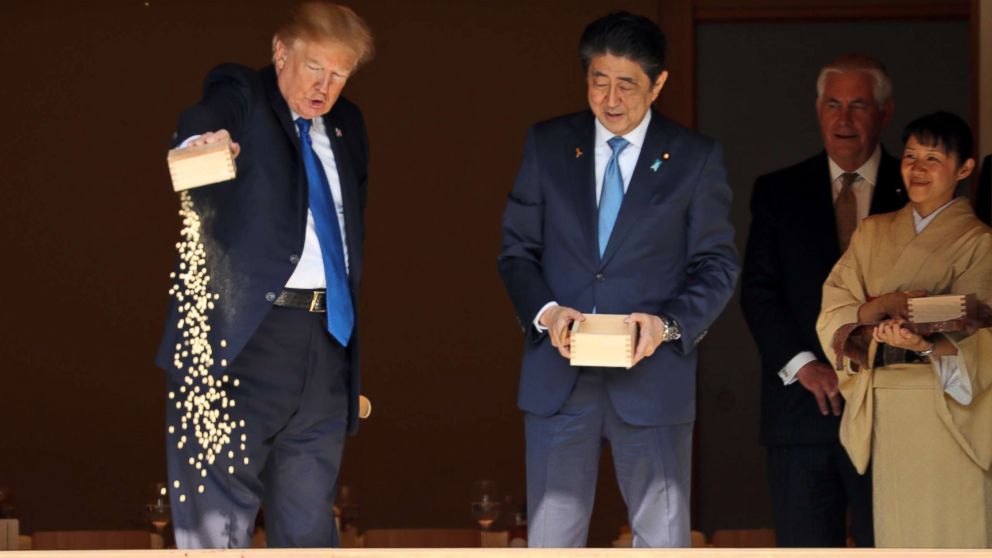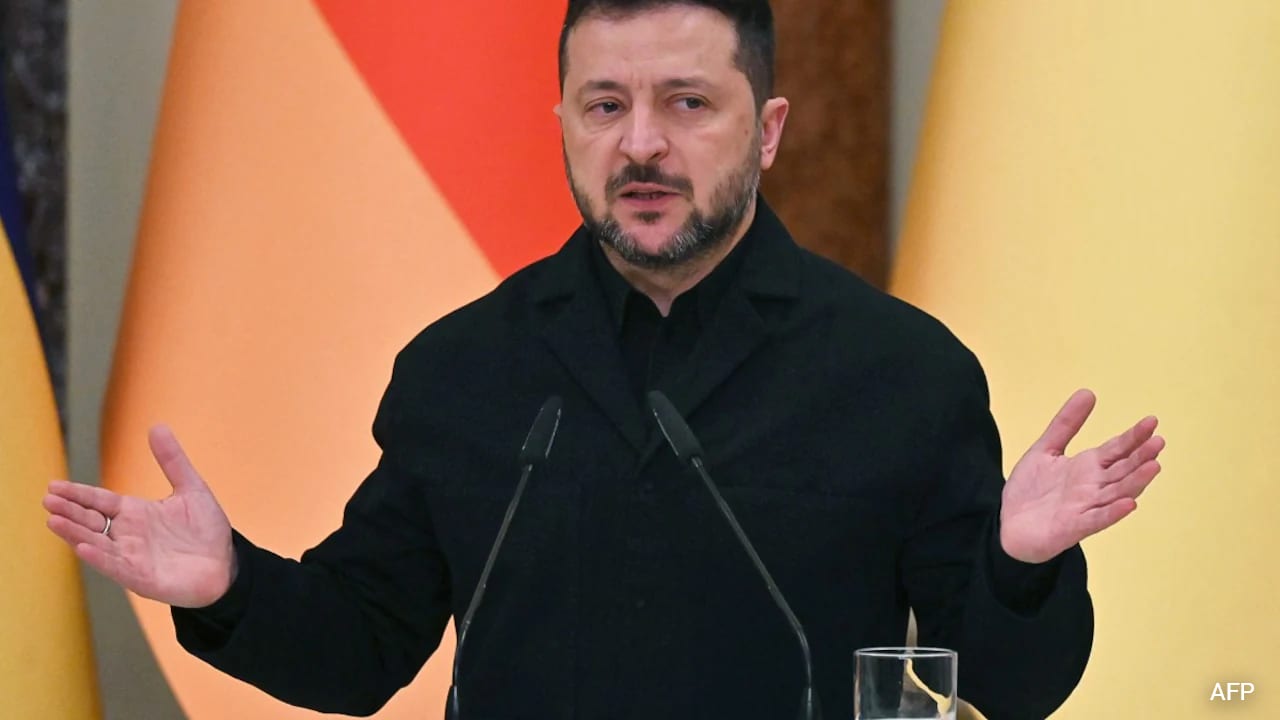
Geopolitics rarely moves in a straight line, but few announcements shake the table quite like a bilateral energy compromise that leaves key allies out in the cold. Volodymyr Zelensky didn't mince words when reacting to Donald Trump striking an arrangement with Vladimir Putin to ship Russian diesel into American and international markets. He called it weak. He called it unworthy. Honestly, when you look at the pressure cooker of wartime alliances and domestic energy costs in the US, his reaction makes total sense, even if it highlights a widening chasm between Washington and Kyiv.
When a superpower tries to balance domestic inflation with foreign policy principles, something has to give. Trump announced that the Kremlin agreed to supply diesel fuel to ease pinching global market shortages and curb retail pump prices back home. For an administration obsessed with cost-of-living metrics, any shortcut to cheaper energy looks tempting. For a Ukrainian president fighting an existential war funded heavily by Western backing, watching the architect of Western support cut an energy deal with Moscow feels like a massive betrayal of economic isolation tactics.
Breaking Down the Fuel Agreement
The mechanics behind this arrangement point straight back to supply constraints. Global diesel inventories have stayed tight, and refinery bottlenecks always hit consumers right in the wallet before election cycles or political shifts. By allowing Russian diesel back into certain pipelines—or lifting specific sanctions to accommodate it—Washington signals a pragmatic, self-first shift in trade policy.
Let's be real about what happens when economic pragmatism collides with moral foreign policy.
- Western sanctions were designed to starve the Russian war machine of petrodollars.
- Pumping cash back into Moscow's energy sector—even indirectly or through global arbitrage—softens the financial blow of those very restrictions.
- Zelensky knows this better than anyone. Every barrel sold helps fund the military hardware currently striking Ukrainian infrastructure.
When reporters asked him about it, Zelensky didn't hide his frustration. He pointed out that honesty and consistency matter among allies. Cutting deals that ease pressure on Moscow while Kyiv burns is a bitter pill to swallow.
The Diplomatic Fallout in Washington
This announcement landed right as Ukrainian negotiators were packing their bags for high-stakes meetings with US officials. Talk about terrible timing. Kyiv's delegation walked into Washington hoping to lock down security guarantees, ammunition supplies, and long-term reconstruction aid, only to find themselves addressing an administration that just carved out breathing room for Russian commodities.
You have to wonder what goes through the minds of Ukrainian diplomats when they hear American leaders talk about global market stabilization on one hand while ignoring the strategic optics on the other. It feeds right into the narrative that international solidarity has an expiration date, especially when voters start complaining about fuel prices at local gas stations.
Why This Matters for Global Energy Markets
Strip away the politics, and you are left with raw market mechanics. Russia remains a massive exporter of refined petroleum products, and global shipping lanes find ways to route hydrocarbons regardless of geopolitical shouting matches. When the US or its allies face tight diesel supplies, the temptation to quietly look the other way on sanctions always looms large.
Other European capitals are watching this very closely. Many European nations spent years agonizingly decoupling their power grids and fuel imports from Russian pipelines, taking massive economic hits in the process. Hearing the US negotiate or tolerate diesel flows from Putin's sphere of influence sparks quiet resentment across the continent. If Washington can justify bending the rules for domestic economic relief, European leaders face tougher questions from their own voters about why they continue paying top dollar for non-Russian energy.
What Comes Next for the Alliance
The friction between Washington and Kyiv isn't going away anytime soon. As political landscapes shift and electoral pressures mount in Western democracies, foreign policy decisions will increasingly prioritize short-term domestic relief over long-term strategic consistency. Zelensky's blunt condemnation is a warning shot, signaling that Ukraine refuses to stay silent while behind-the-scenes energy bargains undermine the collective front against Moscow. Keep a close eye on how the upcoming bilateral talks handle these economic disagreements, because the cracks in this alliance are starting to show right where it hurts the most.