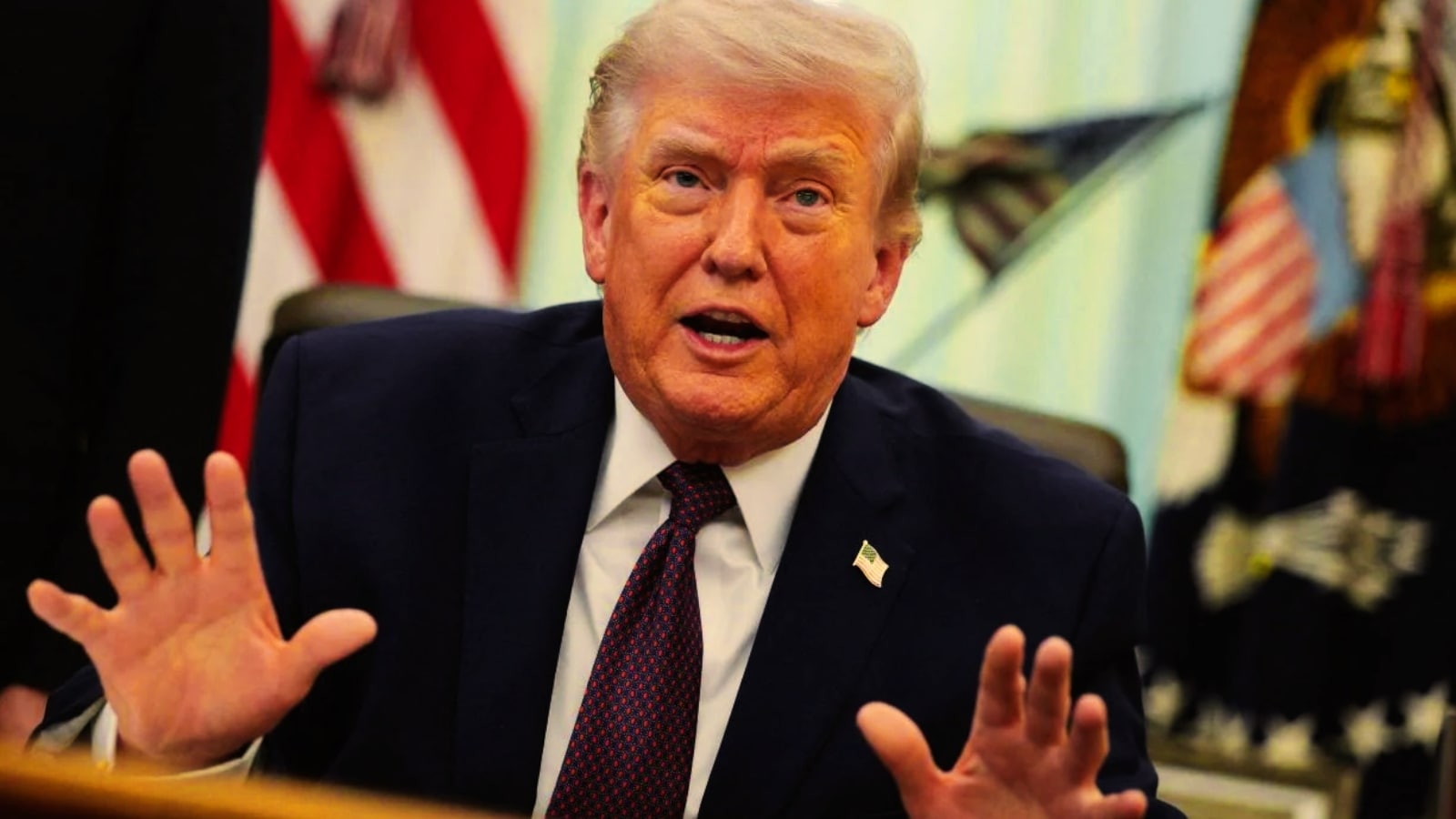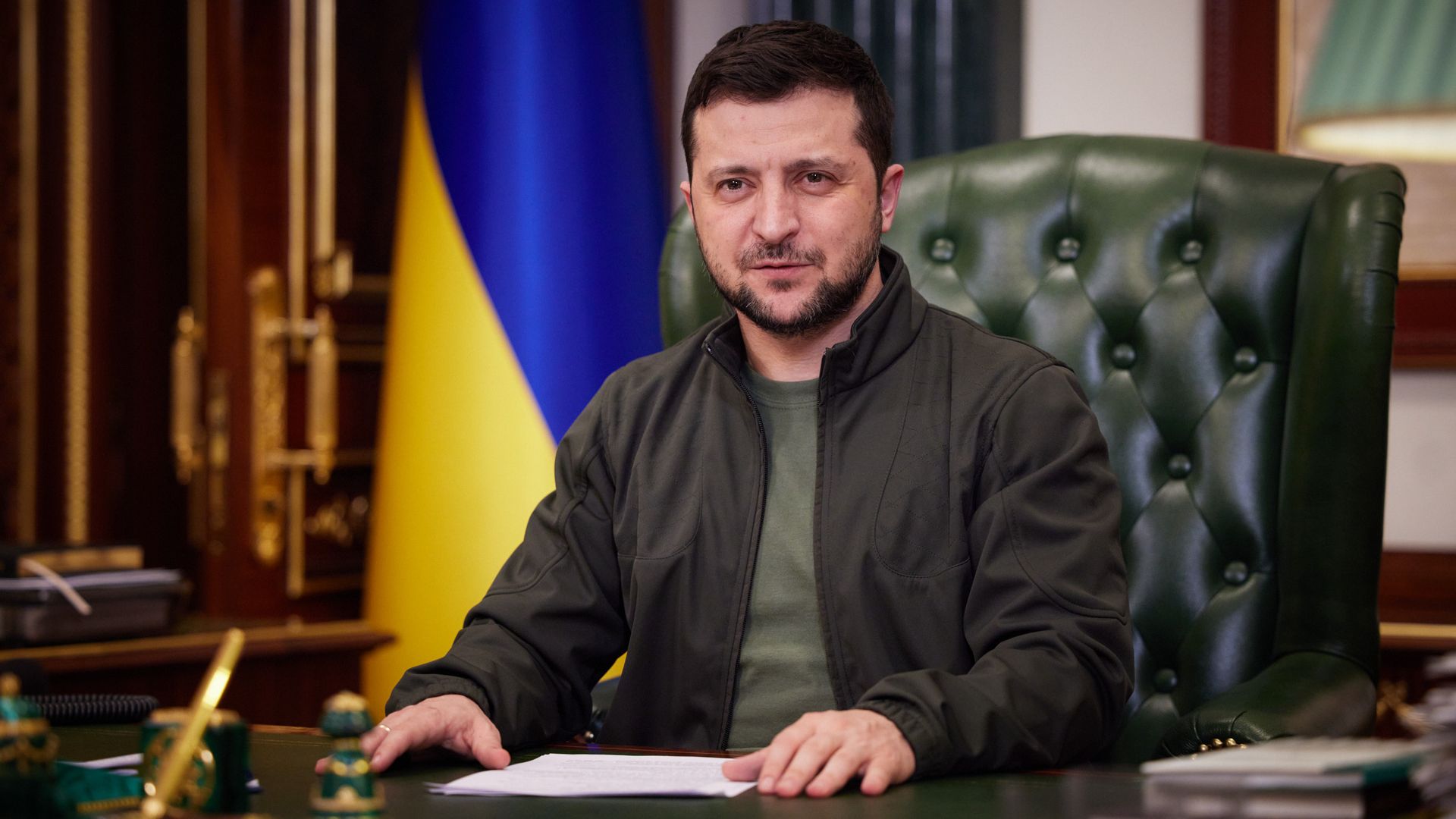
You can't negotiate with someone who wants your entire country erased from the map. Volodymyr Zelensky knows this better than anyone, yet he's forced to play a diplomatic game with a White House that's increasingly hostile to Kyiv's survival.
The traditional rules of international diplomacy flew out the window the moment Donald Trump returned to center stage and began pushing for rushed territorial settlements, pausing vital military assistance, and demanding an energy cease-fire that only benefits Moscow. Kyiv is walking a razor-thin tightrope. One wrong move alienates Washington entirely; another hands victory to the Kremlin.
The Real Cost of Washington's Pivot
Most mainstream commentary treats the friction between Washington and Kyiv as a simple personality clash. It isn't. It's a structural shift in American foreign policy that leaves Ukraine exposed. When the White House paused the implementation of the Lindsey Graham Act sanctions and struck an energy arrangement to ease Russian diesel back onto global markets, the economic lifeline keeping Ukraine afloat began to fray.
Zelensky didn't hold back his frustration, publicly accusing the U.S. administration of providing financial rewards to an aggressor. That level of direct pushback is risky. When you rely on foreign intelligence, satellite communications, and interceptor missiles, biting the hand that feeds you invites immediate retaliation. We've already seen reports of restricted Starshield capabilities and delayed missile shipments.
Surviving the Pressure Cooker
Kyiv's strategy right now boils down to buying time and shoring up European alternatives. European leaders like Antonio Costa have rallied around Zelensky, stressing that sanctions and military backing must hold firm. But Europe alone cannot fill the massive defense-industrial void left by a detached or hostile Washington.
Zelensky has tried to reframe the partnership. Instead of asking for perpetual handouts, he's pitching co-production and joint defense manufacturing. He points out that Ukraine's battlefield experience with drones, electronic warfare, and anti-missile defense gives European militaries a massive upgrade. It's a pragmatic pitch. If Europe wants security, investing in Ukrainian defense tech is the fastest way to get it.
At the same time, the battlefield reality remains brutal. Russia continues pounding Ukrainian energy grids and population centers, ignoring truces while exploiting every diplomatic opening Trump provides. Zelensky's push for expanded Starlink access over Russian territory—arguing that striking launch systems directly is more effective than targeting oil refineries—shows that Kyiv still has tactical answers, but it lacks the green light to execute them.
What Happens Next
The idea that a quick diplomatic compromise will magically end this war is a dangerous fantasy. Putin views negotiations as a pause to regroup, not a path to peace. Zelensky understands that any deal forcing massive territorial concessions in the Donbass without rock-solid security guarantees is just an invitation for a renewed invasion a few years down the road.
If you're watching this geopolitical chess match unfold, stop looking for clean, happy endings. Zelensky isn't trying to win on Washington's terms anymore; he's trying to survive long enough for reality to catch up to the White House's rhetoric.
Strengthen European alliances, ramp up domestic drone production, and refuse to sign away sovereign territory under duress. That's the only playbook left.
Zelenskyy Rubs Trump The Wrong Way By Accusing US Of Unwillingness To Help Ukraine Against Russia
This video provides an overview of the escalating tensions between Ukrainian leadership and Washington over ongoing military and political support.
http://googleusercontent.com/youtube_content/1