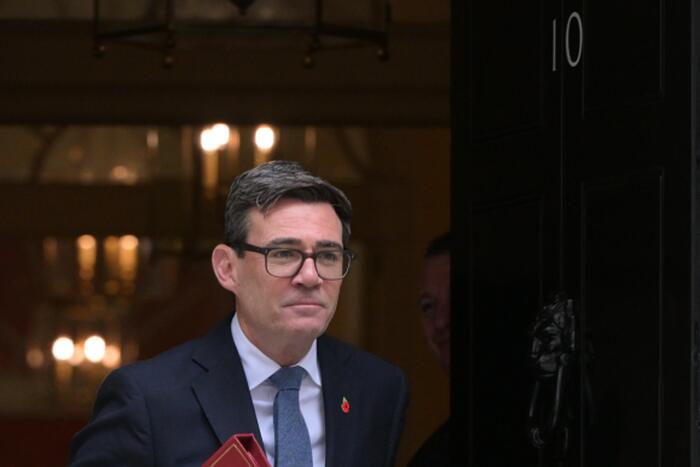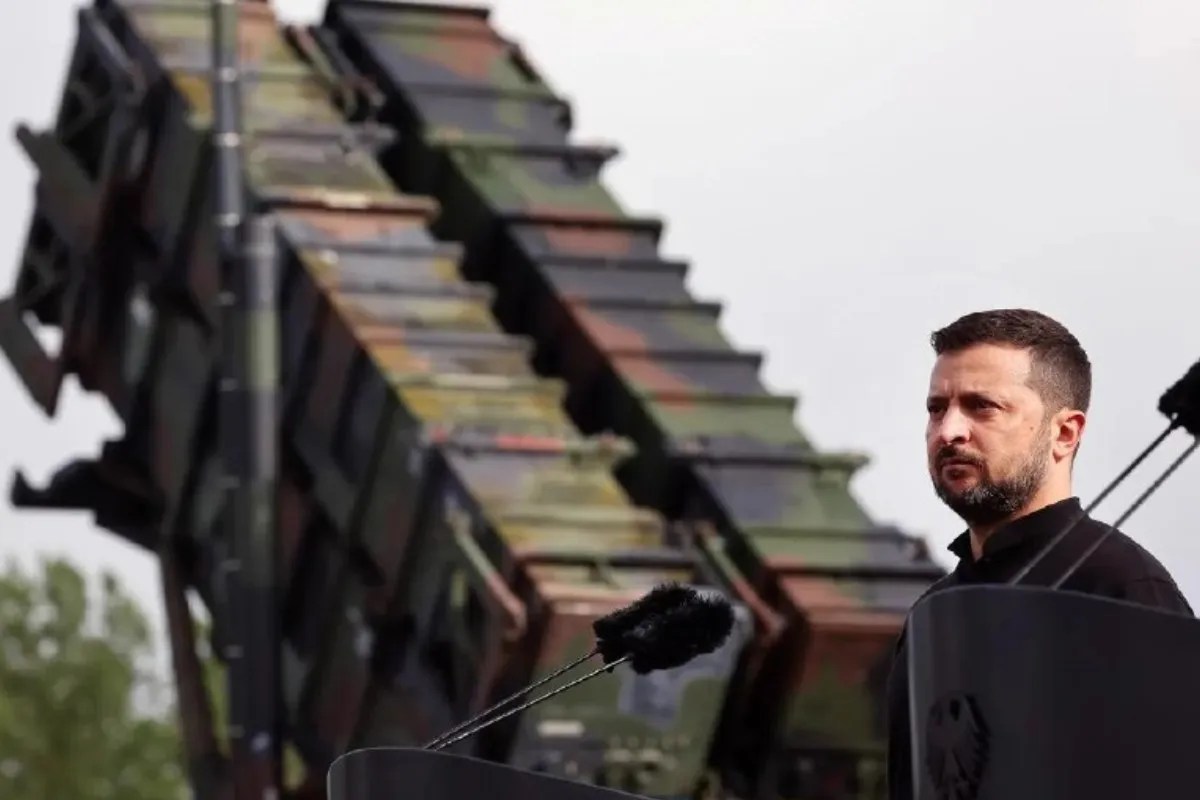
Winter in Ukraine isn't just a season. It’s a weapon. As temperatures drop below freezing, Russian airstrikes target power grids, water plants, and heating systems. President Volodymyr Zelenskyy knows exactly what's coming, which is why he's pushing the Trump administration for an emergency stockpile of 100 Patriot interceptor missiles every single month.
Standard military contracts won't cut it anymore. When Washington approves defense packages on paper, manufacturing lines and bureaucratic red tape mean actual delivery can take years. Kyiv doesn't have years. With dozens of ballistic and aerial attacks slamming critical energy hubs in just a two-week span, the timeline is measured in days.
The Problem With Future Promises
Waiting for newly manufactured defense systems sounds great in a press release, but it fails on the ground. Zelenskyy's core argument is simple: the United States, European allies, and partners worldwide already possess deep warehouses filled with PAC-3 interceptors.
Instead of waiting for fresh production lines to spin up, he wants allies to transfer existing stock directly to Ukraine right now. Those same warehouses can be replenished later through future manufacturing output.
It sounds practical, but executing it is messy.
[Current Delivery Reality]
Standard US/NATO Approvals -> Manufacturing Queue -> Years of Waiting -> Too Late for Winter

[Zelenskyy's Proposed Shift]
Existing Ally Warehouses -> Immediate Transfer -> Protection Now -> Factory Restock Later
European partners like Germany, the Netherlands, and Poland are pushing back. They've already handed over significant portions of their air defense assets. Defense ministers across Europe argue they are skating dangerously close to violating their own minimum security and NATO readiness thresholds.
Global Pressures and Shifting Stockpiles
The geopolitical chessboard has gotten crowded. Escalating conflicts in the Middle East have forced Washington and its allies to prioritize missile defense supplies elsewhere, tightening the global bottleneck for interceptors.
When global demand spikes, smaller or secondary theaters feel the squeeze. Ukraine is currently receiving a fraction of what it claims it needs to seal its skies—sometimes logging a dozen missiles a month while facing waves of coordinated drone and missile barrages.
President Donald Trump has expressed hesitation, noting publicly that giving away high-end technology at that volume is a hard pill to swallow when domestic reserves also need safeguarding. Yet, leaving the power grid unprotected guarantees a humanitarian catastrophe when millions lose heat and water simultaneously.
What Happens When the Grid Fails
Military strategy often forgets the civilian cost until it becomes a refugee crisis. Without functional air defenses over major hubs like Kyiv and Odesa, rolling blackouts turn permanent. Water purification plants shut down. Hospitals rely entirely on failing backup generators.
When the infrastructure freezes, civilian displacement follows immediately. People cannot survive sub-zero temperatures in shattered apartment blocks.
- Immediate Interceptor Needs: Stopping incoming hypersonic and ballistic missiles before they hit transformers.
- Logistical Hurdles: Navigating domestic political pushback in European nations guarding their remaining borders.
- The Production Gap: Bridging the multi-year manufacturing lag with active warehouse transfers.
If the West fails to bridge this gap before the dead of winter, the battlefield outcome might be decided not by trenches or tanks, but by frozen cities unable to keep the lights on. The demand for 100 missiles a month isn't an arbitrary wishlist. It's the bare minimum required to keep an entire nation breathing through the dark months ahead.