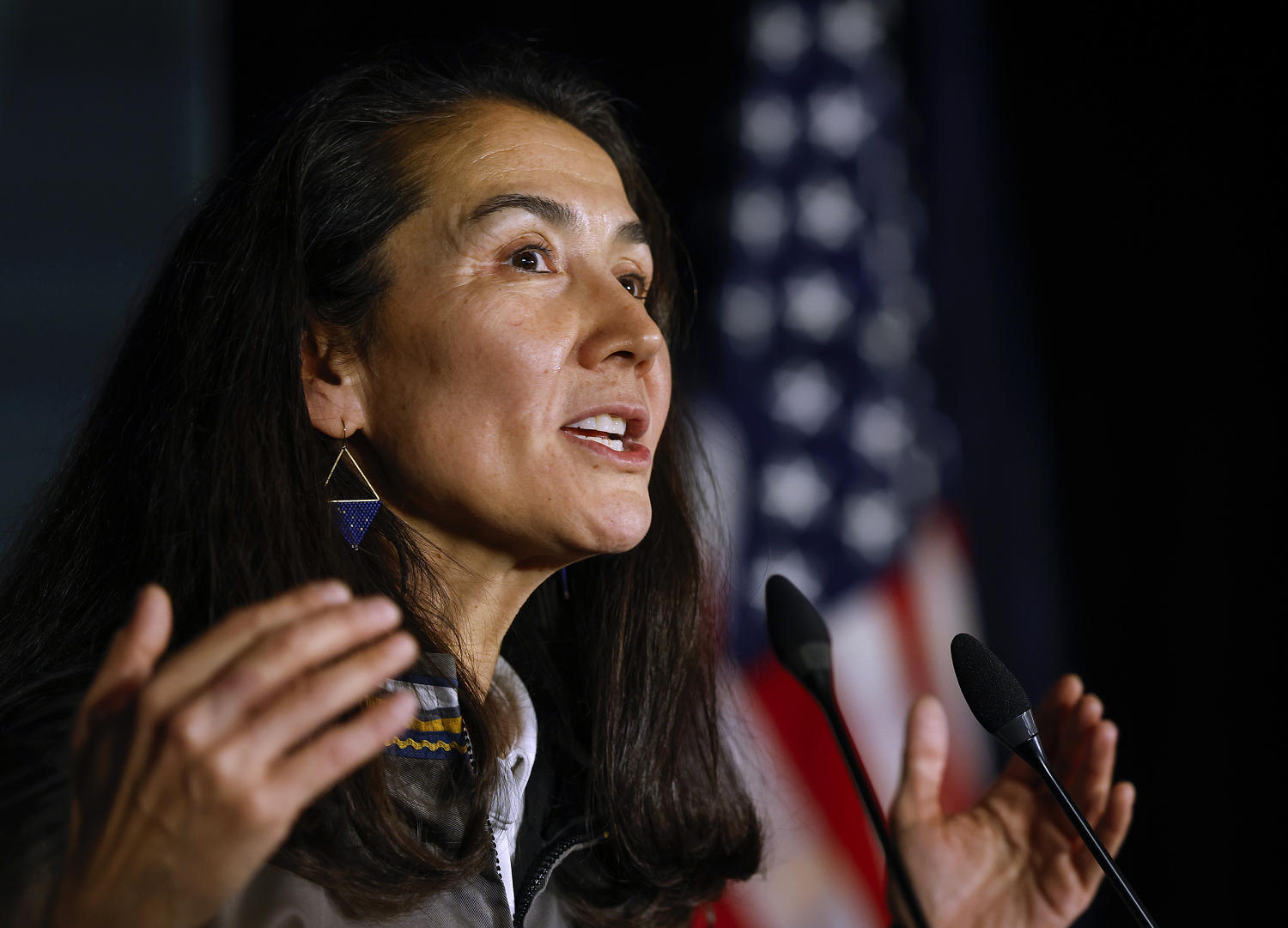
If you thought Alaska's political surprises ended with ranked-choice voting debuts, look at the last uncalled Senate contest in the country. Democrat Mary Peltola is leading Republican incumbent Dan Sullivan as ballots continue trickling in across the Last Frontier. With roughly ninety-six percent of expected votes tallied, Peltola sits at over 49% of first-choice preferences, holding a cushion of more than 10,000 votes over Sullivan.
Most national pundits got this race wrong from the start. They treated Alaska like a safe red lock, ignoring how deeply Peltola connects with everyday Alaskans through her commercial fishing background and fierce bipartisan streak. Now, as election officials process the final mail-in and absentee ballots ahead of the state's official ranked-choice tabulation scheduled for November 18, political watchers are holding their breath.
The Math Behind the Lead
Let's look at the numbers because they tell a story most mainstream trackers missed. Peltola pulled 138,240 first-choice votes compared to Sullivan's 127,828. Two minor candidates—Gerald Heikes and Daniel J. Sullivan Jr.—split another chunk of the electorate, while write-ins accounted for a smaller slice.
What makes this situation fascinating isn't just the raw vote count. It's how Alaska's unique electoral system handles the final stretch. Under state rules, mail-in ballots postmarked by Election Day have up to fifteen days to arrive from overseas and remote locations. That creates a nail-biting lag where campaigns fight for every single envelope while attorneys spar over data requests and ballot access.
Why Traditional Campaign Playbooks Fail Here
National political parties love to force candidates into rigid ideological boxes. Peltola ignores that script entirely. She talks about resource management, indigenous rights, and local economic survival in a way that resonates outside urban centers like Anchorage and Fairbanks.
When you campaign in rural Alaska, you don't fly in for a quick 30-second television spot and leave. You show up in villages where supplies arrive by small plane or riverboat. Peltola’s roots in the Kuskokwim River region give her an authenticity that money can't buy. Republican strategists spent millions trying to tie her to national party platforms, but voters kept looking at her record instead.
If her lead holds through the ranked-choice redistribution of minor-party votes, it marks a seismic shift in the Senate balance of power and proves that retail politics still beats partisan echo chambers.
What Happens Next
The Alaska Division of Elections isn't rushing. They are methodically checking signatures, curing ballots, and preparing for the final runoff tabulation if no candidate clears 50% in the initial count.
Watch the November 18 deadline closely. That's when the final batch of overseas and absentee ballots must be received, triggering the formal ranked-choice allocation. Sullivan’s camp is banking on second-choice preferences from conservative minor candidates to close the gap. Peltola's team is betting their cushion is too wide to overcome.
Either way, Alaska is once again proving that it plays by its own rules. Don't blink.