Accidents on the Mississippi River rarely stay quiet for long, but the speed of the legal fallout after an asphalt tanker plowed into a docked cruise boat caught plenty of veterans off guard. Less than a day after the Atlantic Asphalt smashed into the American Cruise Lines paddlewheeler American Heritage, local port officials didn't just complain—they went straight to federal court, slapped the owners with a lawsuit, and moved to seize the vessel.
If you're wondering how maritime law handles a disaster of this scale, the answer involves aggressive legal maneuvering, strict liability principles, and a whole lot of moving parts. Let's break down what actually happened and why this lawsuit is setting a frantic pace.
The Collision That Shocked the Port
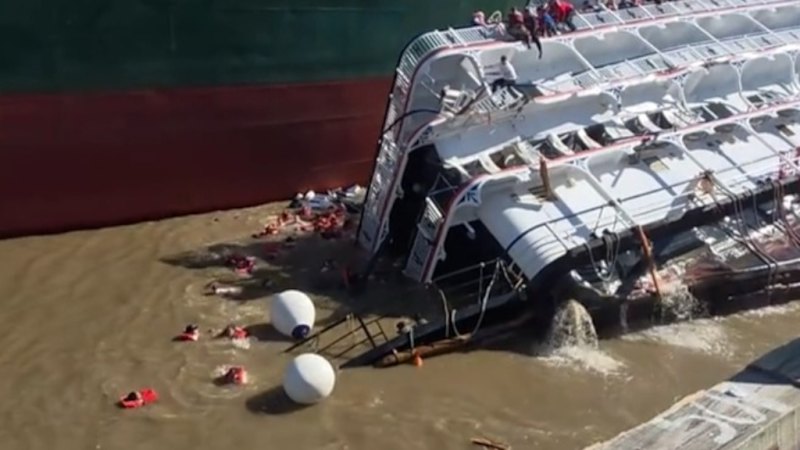
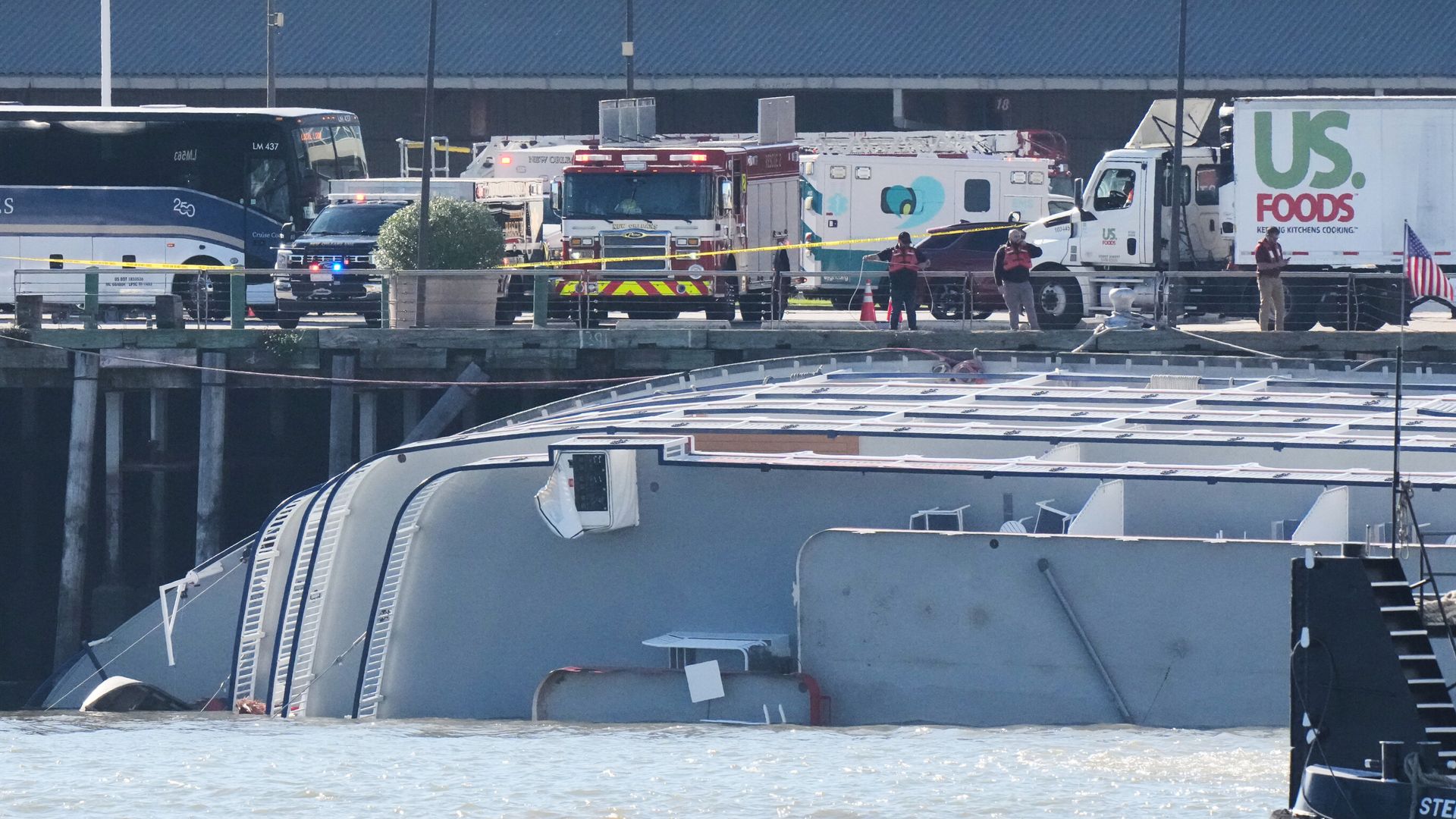
The incident unfolded on the Mississippi River when the massive asphalt and bitumen carrier lost control and slammed right into the stationary American Heritage. The cruise ship was docked with nearly 200 passengers and crew members on board. Within minutes, the impact caused the vessel to list heavily and roll onto its side against the terminal.
Miraculously, quick thinking by emergency responders and bystanders averted a massive loss of life. While over thirty people went to local hospitals for various injuries, thankfully none were reported critical. Still, the visual of a historic-style paddlewheeler lying helpless on its side sent shockwaves through the local community and the maritime industry.
Why Port Authorities Sued Immediately
Ports aren't fond of waiting around when their infrastructure gets wrecked. The Board of Commissioners of the Port of New Orleans filed federal court documents demanding at least $1 million in initial damages to cover terminal destruction, emergency response coordination, and ongoing hazard inspections.
Maritime litigation operates under rules that look foreign to everyday civil court. Under standard admiralty principles, when a moving ship hits a stationary object like a dock or a tied-up vessel, a strong legal presumption of fault falls squarely on the moving ship. The plaintiffs basically argued that the tanker and its operators failed to use all available means to prevent the collision.
Ports know that international shipping companies can easily slip away if legal actions stall. By filing an emergency motion immediately, port officials secured a federal warrant to take control of the ship and block it from leaving jurisdiction before anyone pays for the wreckage.
Unraveling the Corporate Ownership Chain
Tracing who actually pays for a disaster like this isn't straightforward. Public tracking data shows the 520-foot Atlantic Asphalt operates under a complex corporate web. The vessel is owned by Nave Shipping SA, registered out of Monrovia, Liberia, and managed by Thome Ship Management. Furthermore, Nave Shipping ties back as a subsidiary of the China State Shipbuilding Corporation, a massive state-owned enterprise.
When you have a ship flagged in one country, owned through a Liberian subsidiary, managed by a third party, and backed by a Chinese conglomerate, getting straight answers takes time. That corporate insulation is precisely why port attorneys moved so quickly to arrest the physical asset. Freezing the boat forces the parent companies to pay attention when standard corporate emails get ignored.
What Happens Next on the River
Clearing the wreckage is going to take weeks. Before anyone can right the capsized passenger boat, hazardous material crews have to safely remove thousands of gallons of remaining fuel still sitting inside the hull. Meanwhile, investigators from the National Transportation Safety Board and the U.S. Coast Guard are sifting through data logs to figure out why the ship suffered an apparent steering failure.
Expect this $1 million lawsuit to expand dramatically as individual passengers, crew members, and insurers file their own massive claims. For now, the port has drawn a hard line, proving that messing with Mississippi River traffic comes with an immediate multi-million-dollar price tag.