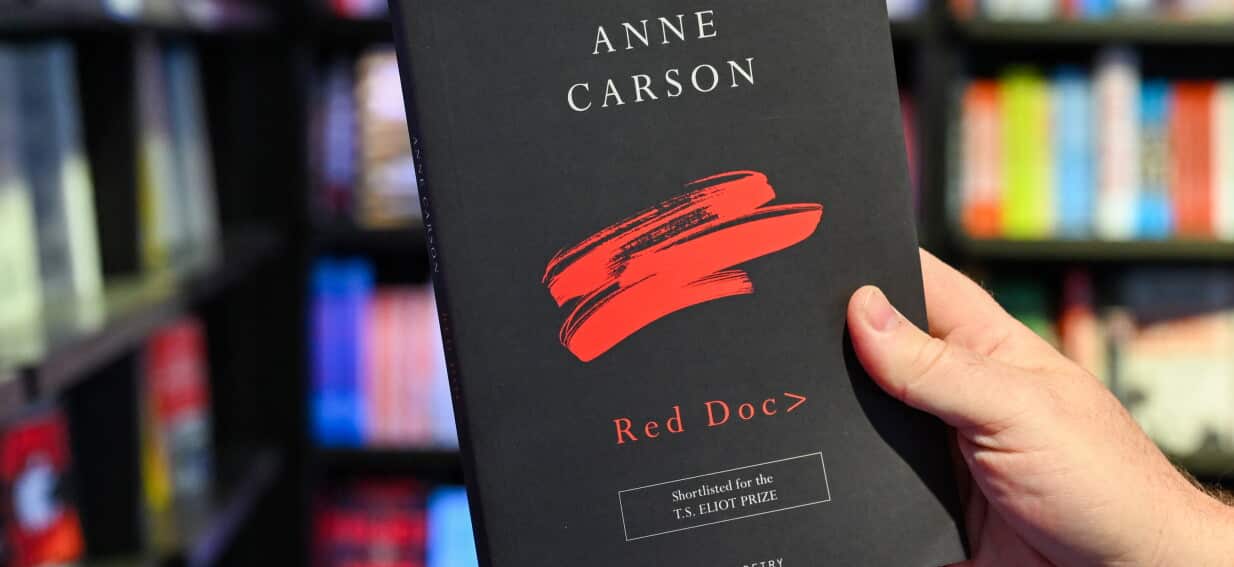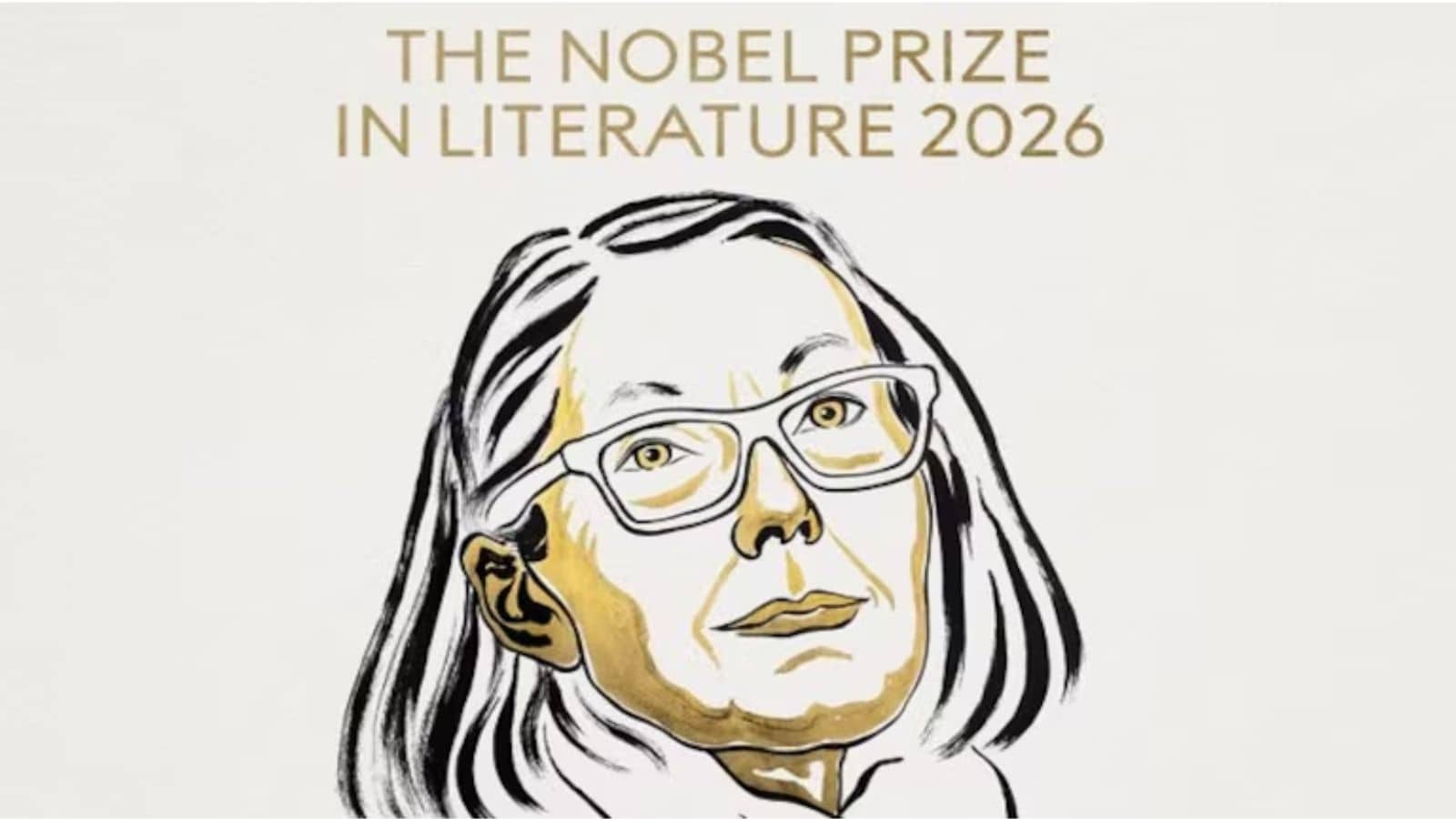
Anne Carson was sweeping her kitchen when the phone started ringing. She didn't pick up right away. It took her husband, Robert Currie, to insist she answer the persistent buzzing. On the other line, the Swedish Academy was calling to tell her she had just won the 2026 Nobel Prize in Literature.
If you know her work, you aren't surprised she was doing chores instead of waiting by the phone. Carson has spent decades ignoring traditional literary boundaries, treating poetry, scholarship, and everyday life as a single continuous space. The Nobel committee honored her "for her bold and inventive oeuvre that, in playful dialogue with the classical tradition, has created new forms for contemporary literature."
For years, literature prizes often rewarded authors who wrote doorstopper historical fiction or sprawling multi-generational dramas. Carson's victory proves that the Academy is finally catching up to forms that refuse to stay in their lanes.
What Makes Her Work Different
Carson is a poet, essayist, classicist, and translator. She was born in Toronto in 1950 and trained deeply in ancient Greek and Roman literature at the University of Toronto before teaching at McGill and various American universities. Her books don't look like standard poetry collections. They blend verse, translation, visual art, and essayistic prose.
Take Autobiography of Red, published in 1998. It takes a fragment of a poem by the ancient Greek lyricist Stesichoros about a mythical monster named Geryon and turns it into a modern novel-in-verse about a young gay man navigating love, photography, and heartbreak. It is ancient and contemporary at the exact same time. It's jarring, brilliant, and completely unconcerned with traditional genre rules.
Then there is Eros the Bittersweet, her iconic 1986 meditation on love and desire in ancient Greece. It examines why desire feels painful and elusive, using the etymology of Greek words as a compass. It is a work of philosophy that reads like a confession.
Why This Nobel Win Matters Now
We live in a culture obsessed with rigid categories. Bookstores divide titles into strict sections: poetry, memoir, fiction, non-fiction. Yet real human experience doesn't care about aisles and inventory tags. Carson's entire career has been an argument against these artificial walls.
When you read Carson, you realize she doesn't write to entertain you or comfort you. She writes to wake you up. Her sentences are compact, sharp, and stripped of unnecessary ornament. She treats language like a physical object that you can turn over in your hands until it cuts you.
When organizers asked her if she had any advice for writers, she gave an answer that was characteristically cryptic: "Start in the middle. It's the only rule I have."
She isn't interested in formulaic narrative arcs or predictable plot setups. She drops you right into the crisis, the memory, or the argument, leaving you to figure out the footing yourself. That approach demands active participation from the reader. You can't skim Anne Carson on a commute. You have to slow down and pay attention.
Where to Start If You've Never Read Her
If you want to understand why she earned this global recognition, don't start with dry academic summaries. Pick up a copy of Eros the Bittersweet if you want to understand the mechanics of longing. Grab Autobiography of Red if you want to see how ancient myths can mirror modern queer heartbreak with devastating precision.
Carson plans to donate a large portion of her prize money, noting her support for organizations like Doctors Without Borders, while she and her husband continue to look for quiet places to walk away from ringing phones. Her win marks a massive victory for writing that refuses to compromise, hybridize, or behave. Stop looking for books that fit neatly on a shelf. Pick up something that breaks the mold entirely.