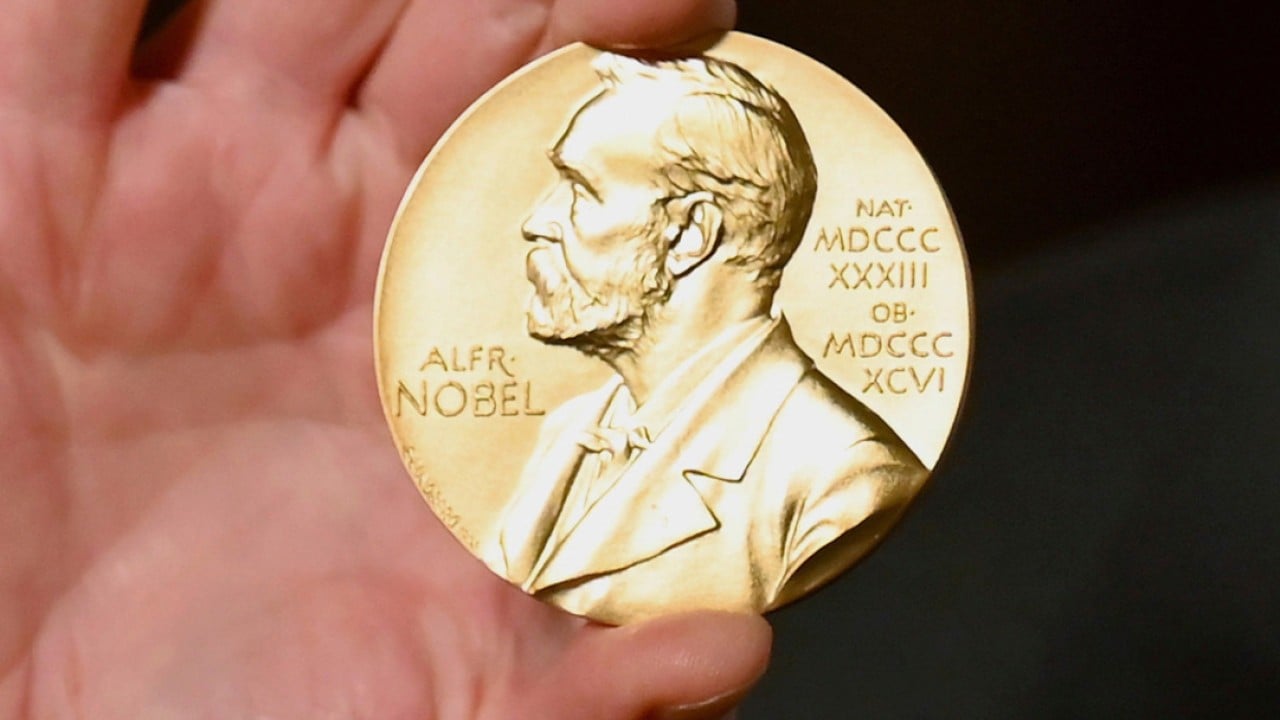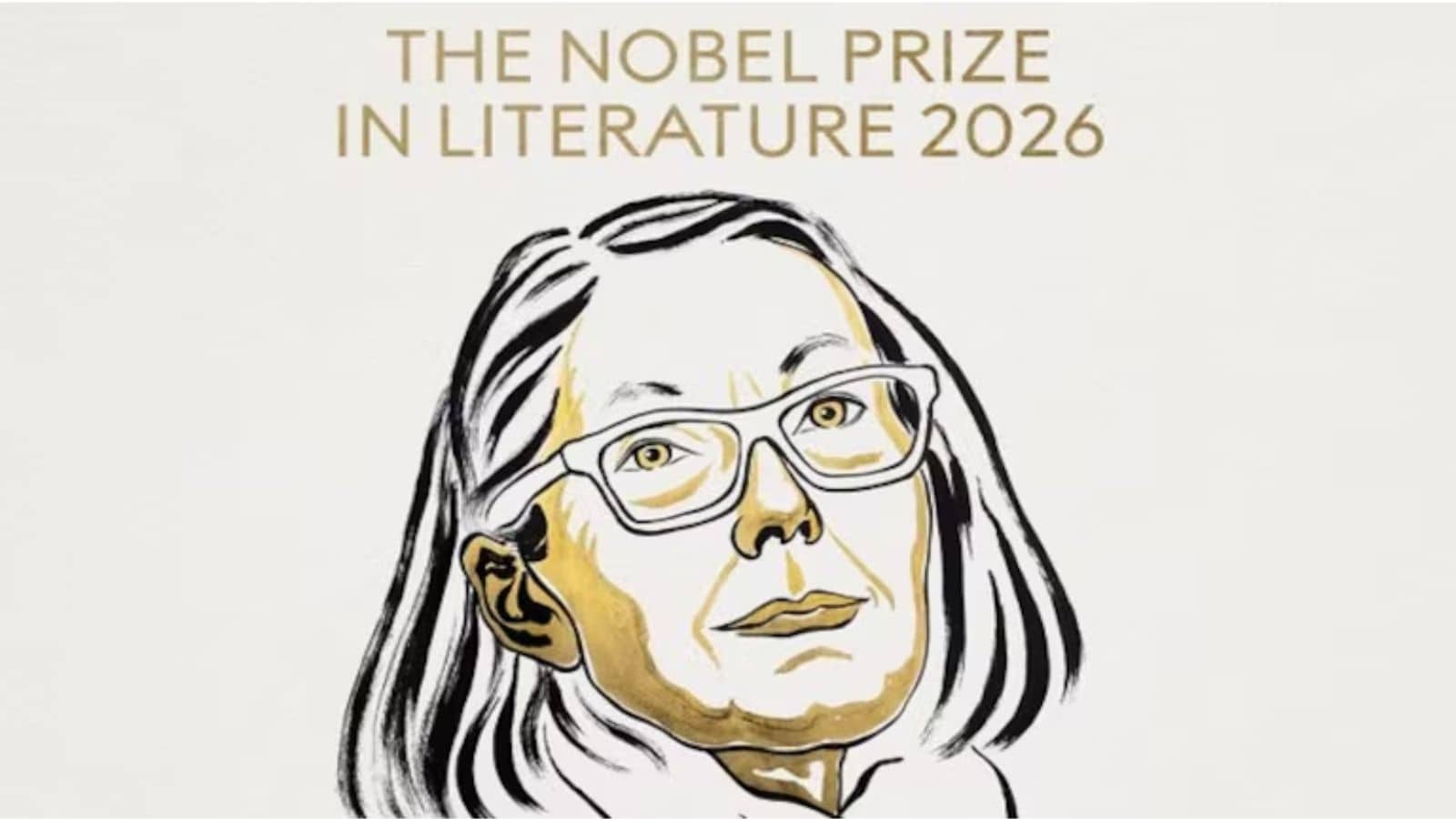
Anne Carson was sweeping her kitchen floor when her phone started ringing off the hook. She didn't pick up until her husband, Robert Currie, insisted she answer. That phone call brought news that the Canadian poet, classicist, and essayist had just won the 2026 Nobel Prize in Literature.
The Swedish Academy honored Carson for a bold and inventive body of work that engages in a playful dialogue with classical traditions, creating entirely new forms for contemporary literature. For decades, Carson has taken ancient Greek mythology, lyric poetry, and philosophy, dragging them kicking and screaming into the modern era.
If you've never read her work, you might assume she writes dry, academic translations. You'd be dead wrong. Carson refuses to stay inside any single literary box. She mixes poetry, essay, visual art, translation, and drama. She writes about ancient Greek poets like Sappho on one page and Superman or Hopper paintings on the next.
Why the Nobel Committee Chose Carson Now
The Nobel Prize in Literature often rewards authors who fit neatly into traditional categories of fiction or lyric poetry. Carson breaks those rules daily. Her breakout 1998 book, Autobiography of Red, reimagined a fragment by the ancient poet Stesichoros about a mythical red monster killed by Hercules, turning it into a novel-in-verse set in modern America.
That book proved ancient myths aren't dusty museum artifacts. They're living blueprints for human emotion. When Carson writes about jealousy, desire, or heartbreak, she uses the ancient past to make sense of the present. Her writing strips away academic pretense and replaces it with raw, ironic wit.
The Swedish Academy committee noted that her work has held outstanding importance for the international literary scene since the 1990s. By bridging the gap between classical antiquity and contemporary chaos, she showed writers that history isn't a wall blocking creativity—it's a springboard.
Beyond the Classics
Carson isn't just a classicist who writes poems. She spent years teaching Greek at various universities, including McGill and the University of Toronto, but her approach to literature has always been deeply rebellious.
Her famous book Eros the Bittersweet explores the nature of desire through the lens of ancient Greek grammar and philosophy. Yet, it reads like a psychological thriller of the human heart. She dissects why wanting something feels better than having it, using examples that span centuries without missing a beat.
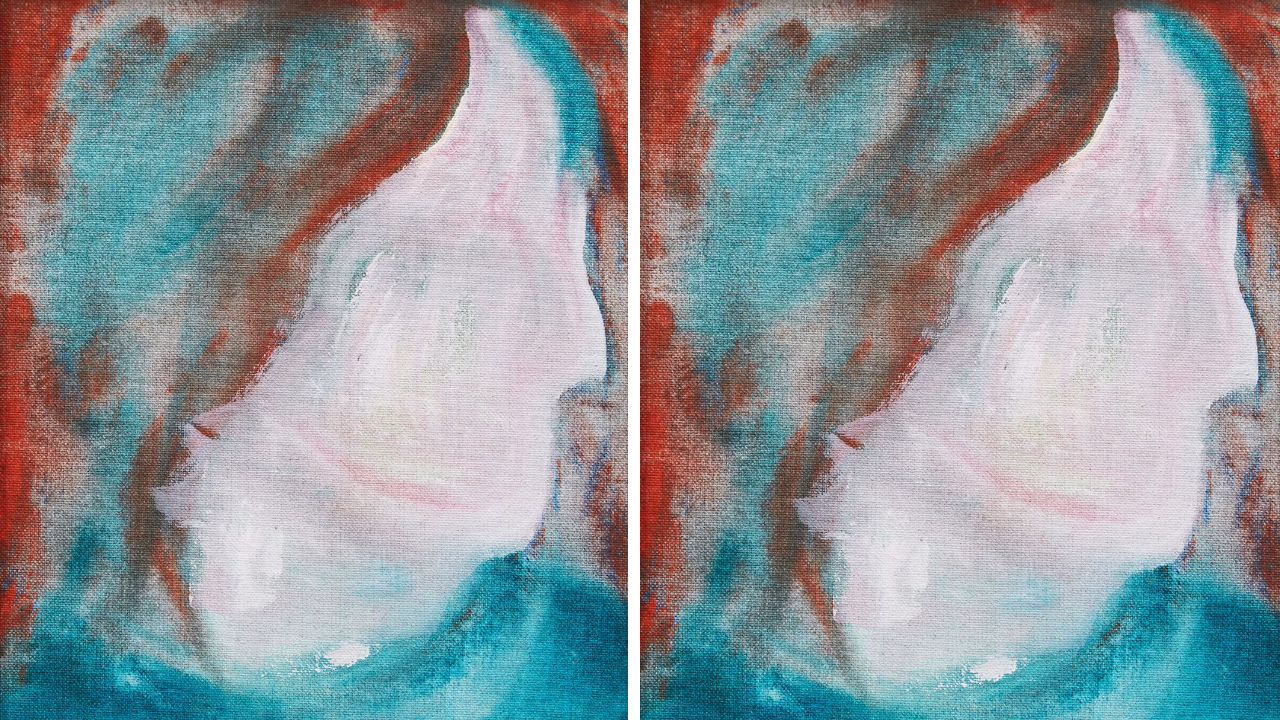
Her more recent projects continue this genre-bending streak. Works like Wrong Norma push visual and textual boundaries further, incorporating collages, sketches, and stark prose. She treats the page as a canvas. Words crash into blank spaces, forcing you to slow down and actually think about what you're reading.
What Writers Can Learn From Her Success
If you write, study, or simply love literature, Carson's Nobel win is a massive validation for breaking rules.
You don't need to choose between being a scholar and being an experimental artist. You don't need to stick to standard narrative arcs. Carson's entire career proves that hybridity wins. When asked if she had any advice for aspiring writers, she kept it characteristically cryptic: "Start in the middle. It's the only rule I have."
That advice cuts straight to the core of her style. She doesn't waste time with long, boring setups. She drops you right into the middle of a thought, an argument, or a myth, letting you figure out the footing as you go.
Carson plans to spend her prize money supporting causes like Doctors Without Borders, and she celebrated her win by leaving her phone behind for a quiet walk in the woods with her husband. True to form, she's ignoring the noise and getting back to the work.