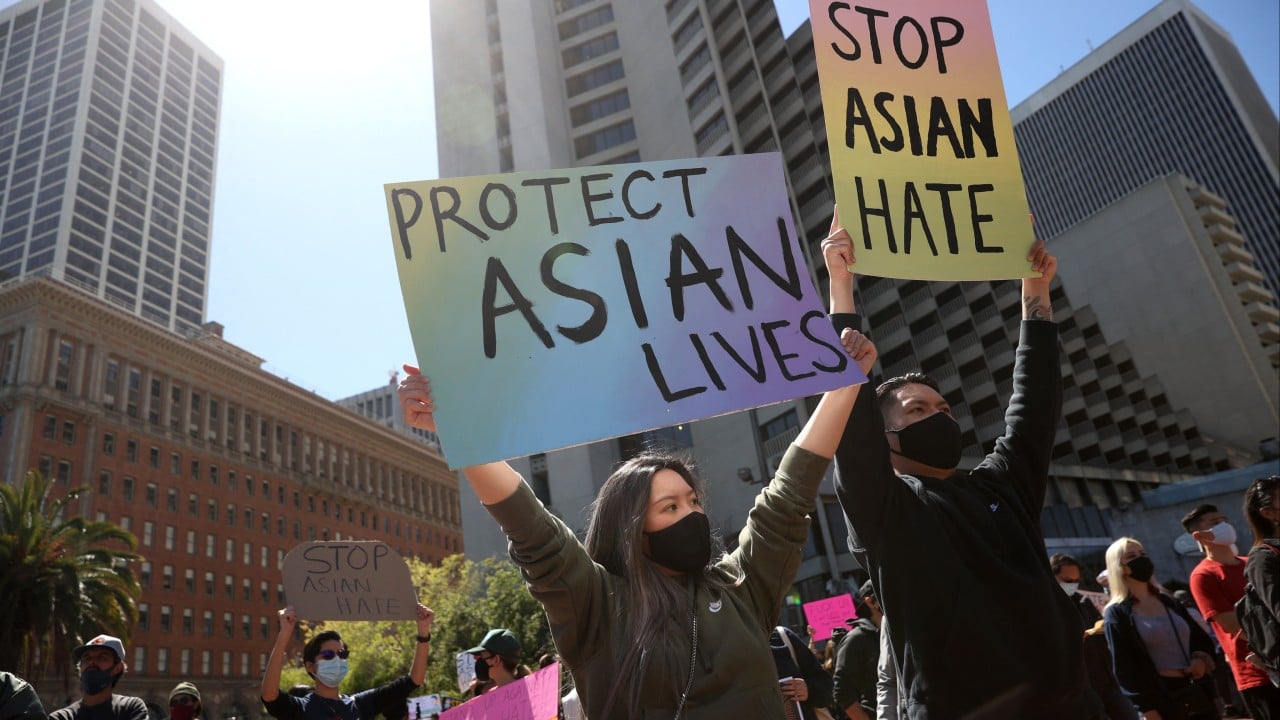
Political alignments are rarely set in stone, especially when bank accounts start bleeding. Recent polling from organizations like AAPI Data and AP-NORC reveals a stark shift happening across the country. Asian American, Native Hawaiian, and Pacific Islander voters who once gave Donald Trump a post-election honeymoon period are pulling back sharply. Trust is evaporating, and soaring living costs are sitting squarely at the center of this disillusionment.
If you look past broad political narratives, the story of Asian American voters is complex, diverse, and deeply pragmatic. They aren't a monolith. Yet, economic anxiety has created a powerful unifying thread. When grocery bills climb, small business margins shrink, and everyday expenses outpace wage growth, political loyalty gets tested in real-time. In other developments, we also covered: Why The Recent West Bank Crackdown On Settler Violence Changes Everything.
The Disappearing Honeymoon Phase
Right after the election, about 40 percent of AAPI adults held a favorable view of Trump. That number has since dropped significantly, settling closer to 30 percent. More than 70 percent of Asian Americans now disapprove of his handling of the economy and trade.
Why the rapid shift? Expectations clashed with reality. Many voters hoped a change in leadership would immediately cool inflation and stabilize small businesses. Instead, rising costs and administrative priorities focused heavily on immigration and foreign policy have left many wondering if Washington is looking at the right playbook. TIME has provided coverage on this important topic in extensive detail.
Data from Navigator Research highlights that a massive share of AAPI adults feel the administration and congressional Republicans are spending way too much time on border and international conflicts while domestic pocketbook issues take a back seat. When you own a restaurant or small business—sectors where Asian Americans have high representation—you don't care much about partisan posturing. You care about the price of goods and whether customers can afford to walk through your door.
Small Business Realities and Cost Pressures
Let’s talk about the ground-level economic pressure. Asian Americans own a significant portion of small businesses and neighborhood restaurants across the U.S. These entrepreneurs operate on razor-thin margins. When inflation stays stubborn and supply chain costs spike, the impact is immediate and brutal.
Voters like Len Takahashi, a conservative-leaning independent in Texas, articulate a sentiment shared by many in the community. The priority isn't about rigid party allegiance anymore. It's about basic financial stability, curbing reckless government spending, bringing down inflation, and dialing down the toxic volume of hyper-partisan politics. People just want a predictable economy where they can plan for next year without sweating tomorrow's utility bill.
When administrative policies push costs higher rather than lower them, goodwill vanishes fast. That explains why disapproval ratings on economic management have climbed by roughly 10 points over the past year, erasing post-election gains entirely.
Where the Parties Stand Now
Democrats are clawing back some ground, but it's not a slam dunk for the opposition either. A significant percentage of Asian American voters remain deeply cynical about both major political parties.
Polling shows that roughly a third of AAPI adults don't trust Democrats or Republicans to handle major issues like taxes, cost of living, or foreign policy. This isn't passive indifference; it's active frustration. Voters feel squeezed between an administration focused on culture wars and an opposition party that hasn't fully convinced them it has a viable economic fix.
This skepticism makes the demographic a prime battleground. They are paying close attention, and they are willing to split tickets or sit out races if candidates fail to address real concerns.
What Comes Next for the Electorate
Heading into upcoming elections, campaign strategists cannot afford to treat this voter base as an afterthought. Outreach efforts that rely on broad generalizations will fail.
If you want to win over Asian American voters right now, you have to talk about tangible financial relief, support for small business owners, and lower inflation. Rhetoric doesn't pay rent. Until political leaders can demonstrate concrete solutions for everyday economic woes, expect trust to keep sliding.
Look at local candidates who focus on community-level fiscal policy rather than national noise. Pay attention to how small business advocacy groups are lobbying for local tax relief. That is where the real political shift is happening.