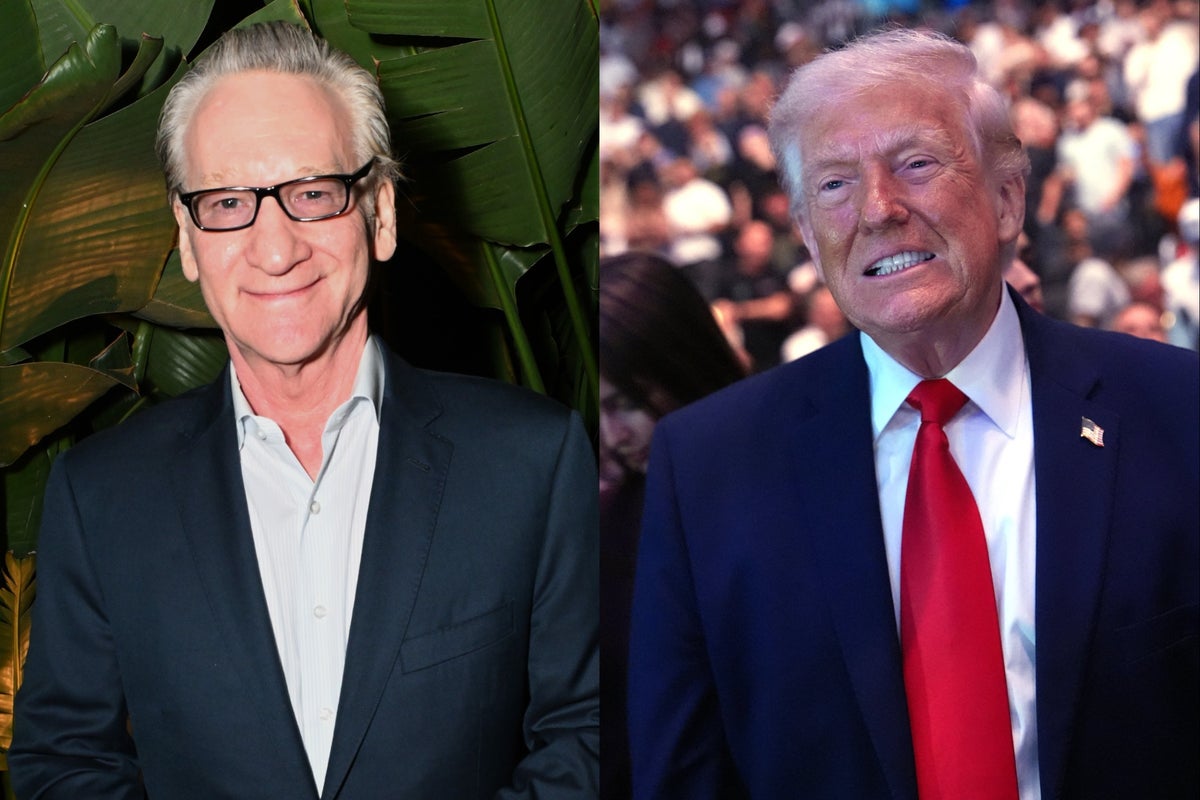
Bill Maher just called Donald Trump a socialist. Let that sink in for a second.
During an episode of Real Time, the HBO host pointed straight at the White House's aggressive interventions in private enterprise—specifically targeting massive deals involving Intel, Nvidia, and U.S. Steel—and declared that the administration is operating more like the far left than traditional conservatives.
It sounds backwards. Trump has spent his entire career championing deregulation, lower corporate taxes, and pure business-first capitalism. Yet, recent government actions tell a wildly different story.
When the federal government snaps up a nearly 10 percent equity stake in Intel, demands a 15 percent cut of Nvidia's export revenues to China, and secures a veto-wielding "golden share" in corporate mergers, traditional free-market orthodoxy goes straight out the window.
The Death of Free-Market Orthodoxy
Let's look at what actually happened. The U.S. government didn't just hand out subsidies or tax breaks; it took direct ownership positions. Through converting billions in funding, the administration secured roughly a 9.9 percent stake in Intel, making the government one of the company's biggest shareholders.
Then you have the export revenue arrangements. Forcing tech giants like Nvidia and AMD to hand over a percentage of sales to China to get export clearance is heavy-handed statecraft. It crosses a line that even many Democrats find dizzying.
As guest and independent journalist Tara Palmeri pointed out on the show, the administration's actions mean the government now effectively holds sway over dozens of companies.
Maher didn't miss the irony. He joked that because traditional progressive politics had opened the door to state intervention, Trump stepped right through it. Even Vermont independent Senator Bernie Sanders found himself oddly aligned with the outcome, having pitched similar ideas for sovereign wealth funds backed by tech equity.
Crony Capitalism or National Security
Defenders of the administration argue these moves are strictly one-offs driven by pure national security. In a world where semiconductor dominance dictates global power, letting domestic giants fail is a risk the White House refuses to take. They view securing a board voice or a share of profits as a pragmatic way to ensure American interests stay protected.
Critics aren't buying the security excuse. Libertarian commentator Matt Welch called the administration's arm-twisting tactics thuggish, pointing to instances where the White House publicly pressured corporate leadership until they scrambled to cut a deal.
When the executive branch starts singling out CEOs and extracting equity stakes, it creates a dangerous precedent. It replaces market-driven competition with political compliance. If a company's survival depends on staying on the right side of the sitting president, innovation takes a back seat to political appeasement.
The Stock Market Trap
There is another layer to this chaos: personal financial entanglement. Critics have repeatedly flagged transactions where officials or the president himself traded shares in companies right before major regulatory approvals sent stock prices soaring.
When the government steps in to create a permanent floor under a specific corporate stock, it distorts the market entirely. Investors are left guessing whether a company is succeeding because of a superior product or because it has cozy ties to federal policymakers.
Ultimately, this trend proves that political labels are losing their meaning. Whether you call it state capitalism, cronyism, or outright socialism, the line separating Washington from corporate boardrooms is blurring fast.
Watch how these government stakes perform over the next few quarters. If these deals become the permanent blueprint for American industrial policy, free-market capitalism as we knew it is officially dead.

:max_bytes(150000):strip_icc():focal(742x300:744x302)/elon-musk-justine-wilson-062424-d55056f5cbd1428fa3b76079db3cd865.jpg)
