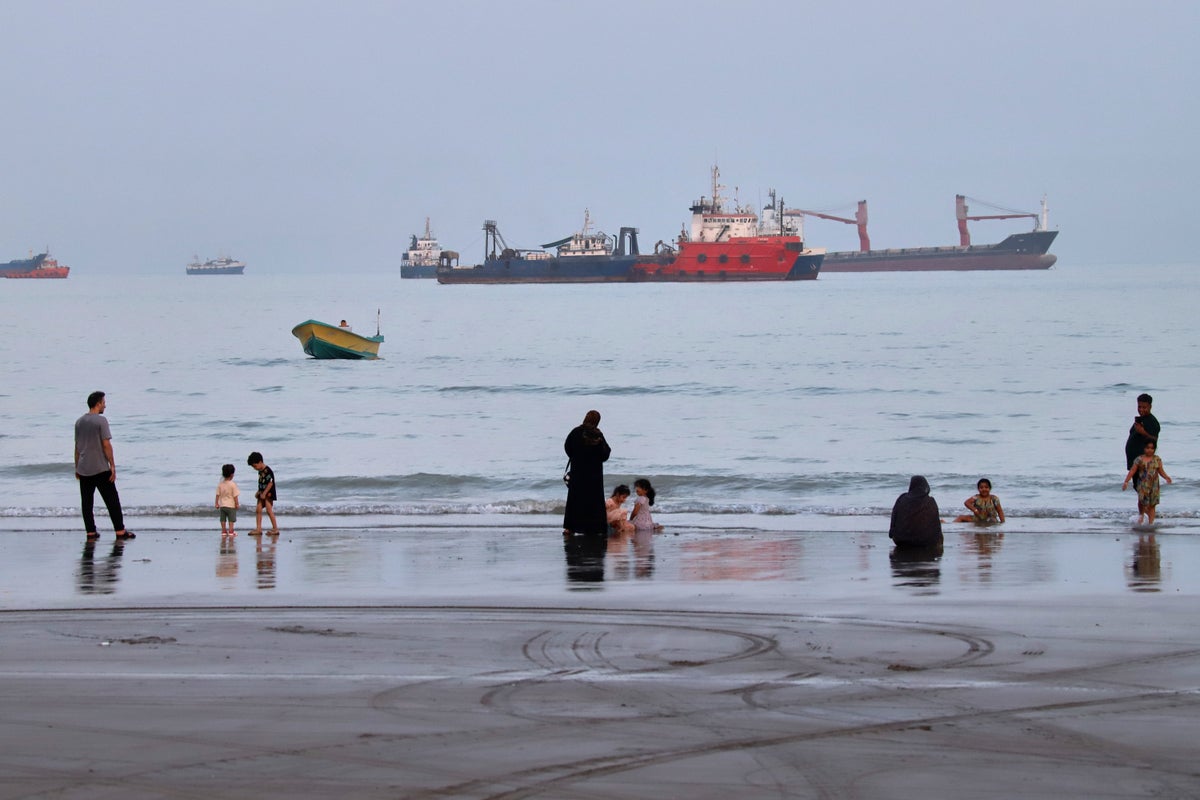
The Strait of Hormuz isn't just a stretch of water. It's the jugular vein of global energy trade, and Tehran currently has its hands wrapped tight around it. If you're wondering why oil prices keep bouncing wildly and global shipping markets are sweating, look right here. Iran's Supreme National Security Council just dropped a heavy list of six strict demands, making it crystal clear that the crucial waterway stays shut until Washington completely caves.
Let's look at what Tehran actually wants. Mohammad Bagher Zolghadr, secretary of the council and a senior Islamic Revolutionary Guard Corps figure, laid down the law. The terms are absolute. Tehran demands that the United States never threaten Iran again, permanently ends all military actions against Iran and its regional allies, lifts the ongoing naval blockade on Iranian ports, pulls all military forces out of the vicinity, pays full compensation for war damages, scraps all economic sanctions, and unconditionally releases billions in frozen assets overseas.
These aren't mild diplomatic requests. They are maximum-pressure conditions designed to corner the White House.
The Strategic Reality Behind Closed Waters
Most mainstream coverage misses the underlying leverage play. Tehran is betting that economic pain in the West will force political concessions before its own economy completely buckles under the strain. Ever since the conflict flared up and shipping traffic dropped near zero, energy markets have faced their biggest disruption since the 1970s.
When you look at the diplomatic wreckage, the timing couldn't be sharper. Regional mediators, particularly Oman, have spent weeks trying to stitch together a workable management deal for the strait. Draft proposals floated through Tehran's parliament even pointed toward potential cargo restrictions, environmental fee structures, and outright bans on US or Israeli-linked vessels.
Washington wants a simple pre-war status quo where free transit rules supreme. Tehran wants a total rewriting of regional security dynamics. These two positions cannot occupy the same room.
Why Washington Will Reject the Terms
You don't need a degree in international relations to predict the US response. White House officials have already signaled that accepting such terms is a non-starter. Yielding to an ultimatum of this magnitude would shatter American deterrence strategy in the Middle East.
Think about the domestic political pressure inside the US right now. With midterm elections approaching and voters growing weary of foreign entanglements and volatile fuel prices, an administration cannot afford optics that look like total capitulation. Vice President JD Vance recently pushed back on notions of permanent maritime tolls, insisting that Washington is testing whether Tehran is willing to alter its long-term behavior.
Yet, Iran's Revolutionary Guard Corps remains defiant. They've made it clear that reopening the strait has nothing to do with external mediation efforts and everything to do with submission to their checklist.
What Happens Next in the Gulf
We are staring down a prolonged standoff. The US Navy maintains its counter-blockade measures, escorting compliant vessels where possible while keeping a tight lid on unauthorized traffic. Meanwhile, commercial operators are paying astronomical insurance premiums or rerouting entirely.
If neither side blinks, the risk of accidental escalation spikes daily. A single miscalculated skirmish at the mouth of the Persian Gulf could shred what little diplomacy remains, pushing the region back into active open warfare. Tehran is banking on the world's thirst for oil to break Washington's resolve. Washington is banking on military dominance and economic strangulation to break Tehran's economy first.
Keep your eyes on the tanker tracking data. That will tell you how this ends long before the diplomats ever do.