Mining corporations always promise local prosperity before heavy machinery arrives. In the eastern Amazon, reality usually tells a different story. Brazil's Supreme Federal Court just intervened by suspending the installation license for the Volta Grande Gold Project, halting what was slated to become the country's largest open-air gold mine.
Led by Supreme Court Justice Edson Fachin, the ruling throws a wrench into Canadian mining company Belo Sun's ambitions in the Xingu River basin of Pará state. Courts cited glaring gaps in environmental impact studies and a blatant failure to properly consult indigenous communities. If you've tracked resource extraction in South America, this legal showdown is a massive turning point. It highlights a recurring clash between corporate extraction and constitutional protections for traditional lands. For a different view, check out: this related article.
The Real Cost of the Volta Grande Project
Belo Sun has spent years trying to push this megamine forward. The pitch sounds standard on paper. Millions in local investment, hundreds of jobs, and technological modernization for a remote region. But look closer at what's at stake in the Volta Grande do Xingu.
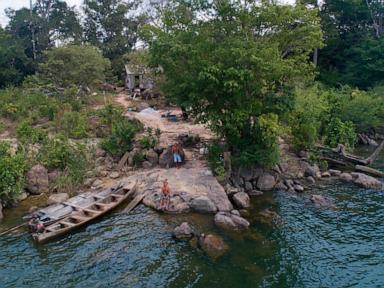
This region already absorbed massive disruption from the nearby Belo Monte hydroelectric dam. Adding an industrial-scale open-pit gold mine right next door threatens to push local ecosystems past their breaking point. Local fish stocks, water quality, and biodiversity face direct contamination risks, particularly from tailings management near the Xingu River. Further analysis on this matter has been shared by USA.gov.
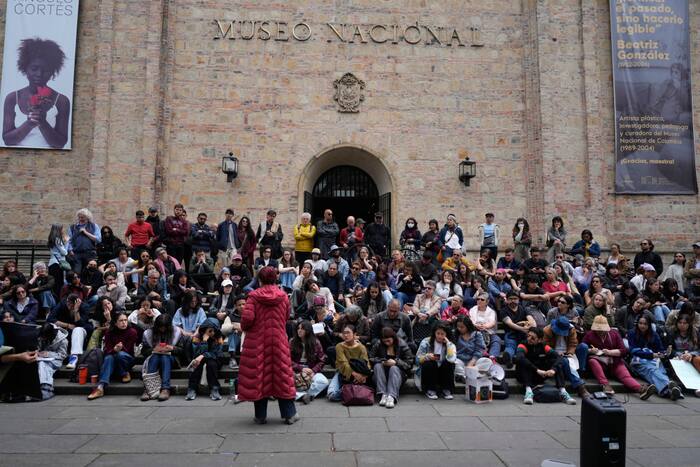
Indigenous groups and traditional riverside communities didn't stay quiet. Organizations like the Alliance for the Volta Grande do Xingu and the Middle Xingu Indigenous Women's Movement fought back through every legal channel available. Sol Juruna celebrated the recent court decision as welcome news, though she rightly noted that the underlying struggle is far from finished.
Why the Supreme Court Had to Step In
Environmental licensing in Brazil often gets bogged down in regional politics, where economic pressure easily overrides ecological safeguards. That's why federal intervention matters so much.
Justice Fachin's suspension isn't permanent yet, but it packs serious legal weight. The freeze stays in place until a formal settlement with FUNAI, Brazil's indigenous affairs agency, clears court approval. Judges pointed out that previous consultations with local tribes were rushed, flawed, or outright ignored. Under Brazilian constitutional law, indigenous groups have a guaranteed right to free, prior, and informed consent before industrial projects alter their ancestral territories.
Mining firms often treat consultations as a bureaucratic checkbox rather than a mandatory dialogue. The Supreme Court just reminded them that bypassing traditional populations carries heavy legal consequences.
What Happens Next for Amazon Resource Extraction
This ruling sends a chilling message to foreign mining interests eyeing the Amazon basin. You can't simply bypass environmental baseline studies and expect rubber-stamped approval from local authorities.
Belo Sun will likely contest the decision, and corporate lawyers are already reviewing the legal framework to find loopholes. Yet, environmental watchdogs and indigenous leaders hold the momentum right now. As global scrutiny over deforestation and mining practices intensifies, courts are starting to prioritize long-term ecological survival over short-term mineral export revenues.
Watch the Xingu region closely over the coming months. The outcome of this legal battle will set a defining precedent for how Brazil handles mega-scale resource projects across the entire Amazon biome.