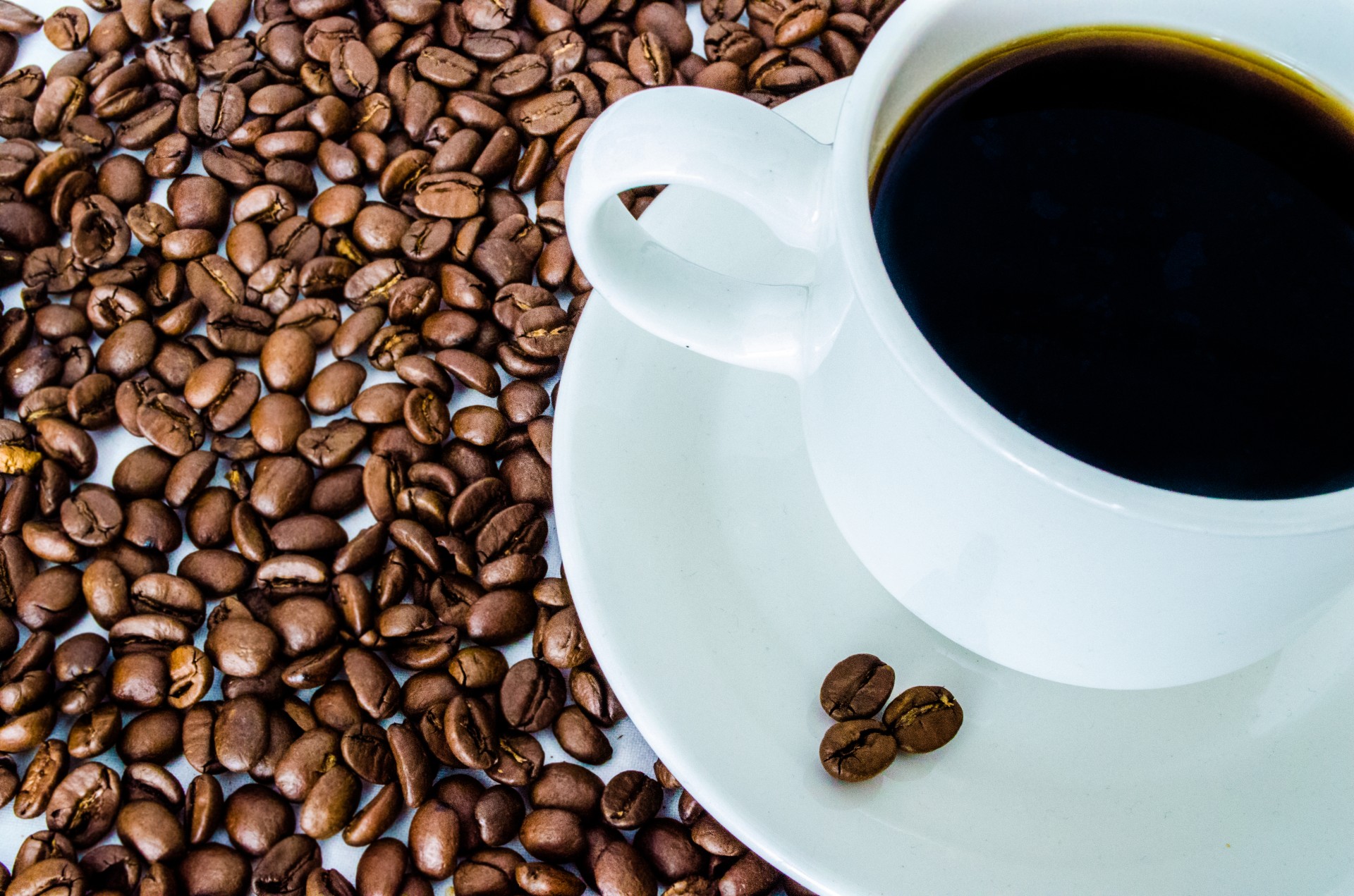
You walk past a nondescript iron door in northern Tehran, push it open, and the heavy smell of roasted Arabica beans hits you instantly. Inside, the noise is deafening. Young professionals tap furiously on laptops, friends huddle over espresso cups, and the low hum of conversation acts as a shield against the outside world. Outside those glass panes lies a city grappling with an economy where inflation sits above 80 percent, a fragile geopolitical truce, and the exhaustion of ongoing regional conflict.
For many residents, these cafes are no longer just places to grab a caffeine fix. They are sanctuaries. Read more on a connected subject: this related article.
The Economics of an Everyday Escape
When living costs skyrocket and the future feels entirely unpredictable, traditional milestones vanish. Buying a home or planning long-term investments becomes a distant fantasy when your currency loses value by the month. People redirect their dwindling disposable cash toward small, immediate comforts instead. A single cup of specialty coffee costs a fraction of a major asset, yet it buys you something invaluable: a safe space to breathe.
Mohsen Mobarra, head of the union overseeing Tehran’s coffee shops, has noted that operating costs for these businesses have more than doubled. Rent, imported beans, and dairy prices march upward every single week. Yet, shop owners keep their doors open because the demand for a brief psychological escape remains insatiable. People need a place where they can sit for two hours with a single latte, escaping the crushing weight of economic anxiety. Additional reporting by Glamour explores comparable perspectives on the subject.
Navigating the Shifting Social Fabric
Tehran's urban culture has always danced on a tightrope between official restrictions and private defiance. Cafes function as neutral ground. In these rooms, strict dress codes often relax at the edges, music plays softly over speakers, and conversations touch on topics that would never fly in public squares.
When conflict threatens to tear everyday life apart, social bonds become fragile. People crave physical proximity to counter the isolation of a war-torn economy. You see artists, freelancers, and students sharing long tables because renting office space is impossible and working from home means staring at power outages and internet disruptions. The cafe table turns into an impromptu co-working hub and a community center rolled into one.
The Fragile Reality Behind the Counter
Do not romanticize this too much. The pressure on these businesses is immense. As operating expenses soar and consumer purchasing power shrinks, many beloved establishments are quietly locking their doors for good. Staff layoffs are common, and owners face an impossible math problem: raise prices and lose customers, or keep prices low and go bankrupt.
Even securing quality ingredients requires navigating a maze of import restrictions and currency fluctuations. Every cup poured is an act of quiet resilience by owners who refuse to let the city's social life flatline completely.
If you ever find yourself sitting in one of these bustling northern Tehran rooms, look past the modern aesthetic and the trendy espresso machines. Notice the people around you trading stories of survival, carving out moments of normalcy in a city that refuses to break. Support local venues if you can, cherish the simple act of sharing a conversation over a warm drink, and remember that human connection outlasts the worst crises.