If you think a vacation advisory or an embassy warning is just bureaucratic noise, look closer at what is happening on the ground in Cuba right now. The U.S. Embassy in Havana recently dropped a blunt health alert warning about a sharp spike in gastrointestinal illnesses. We are talking about pathogens like E. coli, norovirus, and Shigella surging across the island.
Why is this happening? It is not a sudden stroke of bad luck. It is the direct mathematical consequence of an electrical grid collapsing and water treatment systems failing completely.
Let's break down what's actually unfolding and why international observers are calling it an emergency.
The Infrastructure Breakdown Driving the Cuba Health Crisis
Water doesn't pump itself. When power plants fail and blackouts stretch past 24 hours at a time, water pumps stop running. Municipal water networks lose pressure, letting contaminated groundwater seep into cracked pipes.
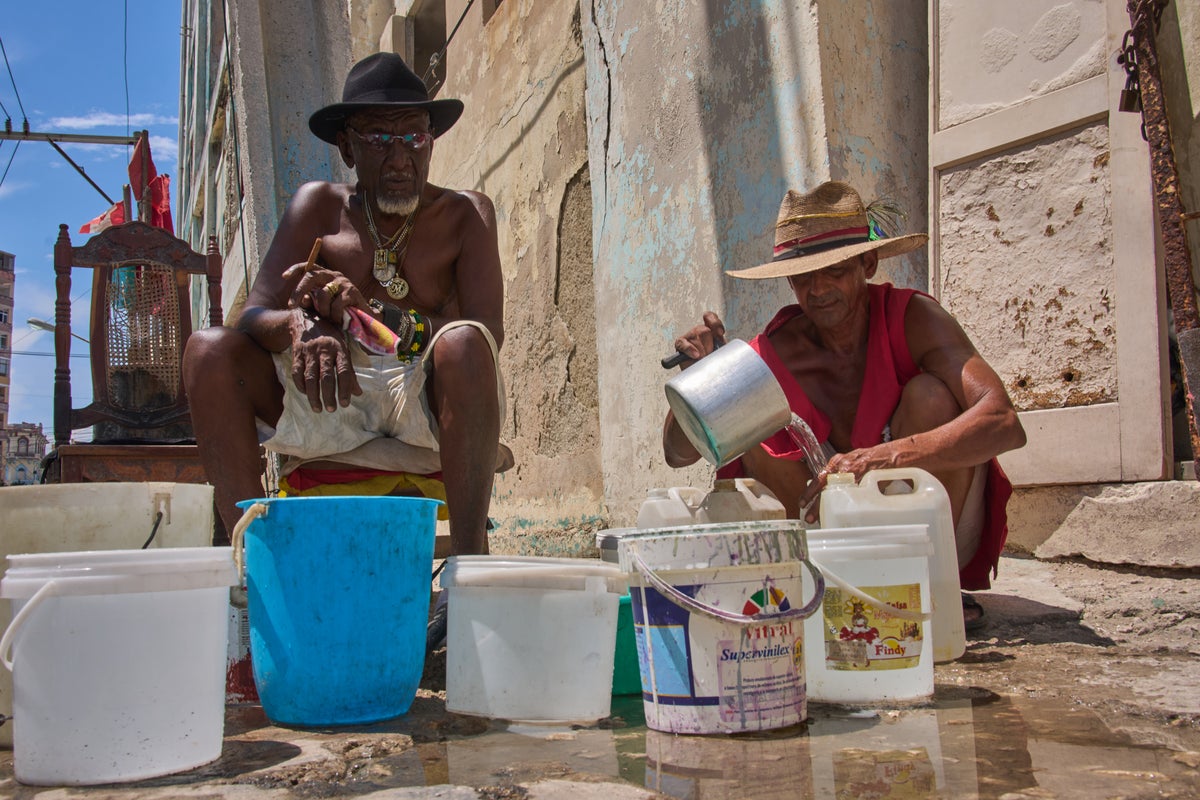
When that water finally reaches homes, it is often hazardous. Residents are forced to line up at street pipes to fill plastic containers, crossing their fingers that the supply is safe enough to boil.
Meanwhile, persistent power cuts mean refrigerators cannot keep food cold. Perishable goods spoil within hours. Families face an impossible choice: throw out what little food they have or risk eating spoiled items because replacements are scarce and expensive.
UN-appointed human rights experts have weighed in, pointing out that severe fuel shortages and tightening economic restrictions are accelerating the collapse. When fuel cannot reach power plants, the lights go out. When the lights go out, the water stops.
What the U.S. Embassy Warning Actually Advises
The embassy did not mince words in its advisory. If you are heading to Cuba or trying to survive day-to-day life there, the directives are stark:
- Avoid municipal tap water entirely.
- Stock up on oral rehydration salts and basic medicines before traveling, because local pharmacies face severe shortages.
- Exercise extreme caution with food hygiene, as refrigeration failures multiply the risk of foodborne illness.
Local doctors are finding themselves overwhelmed. Primary care physicians report that patients are not just coming in with physical symptoms—they are dealing with profound psychological exhaustion. Clinics are turning into impromptu therapy sessions because people have nowhere else to vent their frustrations.
Realities on the Ground for Everyday Islanders
For a population of roughly 10 million people, daily survival has become a logistical marathon. High temperatures combined with dead air conditioning and dark apartments force many residents to sleep on seafront walls or open-air spaces just to catch a breeze at dawn.
Economic numbers compound the human toll. Cuban officials report that foreign policy restrictions cost the island billions over the past year. But statistics do not capture the daily fatigue of standing in lines, watching food rot, or managing chronic dehydration without adequate medical supplies.
Some older residents refuse to let the stress break them, adopting a radical mental resilience just to stay sane. Yet, as primary care workers point out, the emotional reservoir is running dangerously dry.
Practical Takeaways for Travelers and Observers
If you are monitoring this situation or planning essential travel to the region, preparation is non-negotiable.
- Pack a Medical Kit: Do not assume local supplies will cover your needs if you fall ill. Bring your own antibiotics, anti-diarrheal medication, and rehydration packets.
- Treat All Water as Unsafe: Assume tap water, ice cubes, and locally washed raw produce carry pathogens. Stick exclusively to bottled or thoroughly treated water.
- Monitor Infrastructure Updates: Keep a close eye on real-time embassy advisories and local reporting, as power and water availability can shift overnight.
The situation in Cuba represents a compounding humanitarian emergency where energy, water, and health are completely intertwined. Ignoring the warning signs is a luxury nobody on the island can afford.