Imagine sitting by a hospital bed while your infant fights for their life. You are exhausted, terrified, and running entirely on adrenaline. Now imagine a nurse telling you that you aren't allowed a hot meal because of how you feed your child.
It sounds like a dystopian policy written by someone who has never set foot in a pediatric intensive care ward. Yet, this is the exact reality faced by mothers across healthcare systems when rigid administrative rules prioritize feeding methods over basic human empathy. Expanding on this idea, you can find more in: Why Climate Change Is The Deadliest Public Health Crisis We Ignore.
When Sophie Price stayed by her baby daughter Florence’s side at Grange University Hospital in Cwmbran, she expected basic care and compassion. Instead, after hours of watching her infant receive critical breathing support, she was handed a welcome sheet that explicitly restricted food access to breastfeeding mothers only. Because Florence was formula-fed, Sophie was told she was on her own for meals.
The Flawed Logic Behind Hospital Food Policies
Healthcare institutions often defend these discriminatory meal policies by pointing to national infant-feeding initiatives or hospital breastfeeding promotion guidelines. These programs aim to boost breastfeeding rates and provide proper nutritional support to postpartum women who are establishing a milk supply. Analysts at World Health Organization have provided expertise on this matter.
That goal is noble. The execution, however, is broken.
Using a policy meant to encourage breastfeeding as a weapon to withhold nourishment from stressed, sleep-deprived parents is indefensible. A mother nursing an infant requires calories, yes. But a mother whose baby is critically ill and receiving intensive care also requires physical strength to stay upright, make medical decisions, and advocate for her child. Hunger does not check whether a baby is latching or taking a bottle.
The Physical Toll on Parents in Pediatric Wards
When a child is admitted to the hospital, parents rarely pack adequate provisions. Grabbing a proper meal means leaving the bedside, navigating unfamiliar hallways, finding a cafeteria, and waiting in lines—all while worrying that monitors might start beeping or doctors might arrive with urgent updates.
Hospital stays are grueling marathons. Expecting a parent to function without basic sustenance creates unnecessary physical and mental strain. When you're dealing with an infant in crisis, the last thing you should have to worry about is finding a sandwich or paying exorbitant vending machine prices because hospital catering has a strict administrative checkbox that you failed to tick.
Health authorities need to rethink these outdated rules immediately. Nourishing the parent is an indirect way of caring for the patient. A fainting, starving mother helps nobody.
Petitions are already circulating to demand a universal approach across health boards, ensuring that any parent staying overnight with a sick child receives meals regardless of their feeding choice. It's time for hospitals to drop the bureaucratic gatekeeping and feed the people who are holding their tiny patients together.
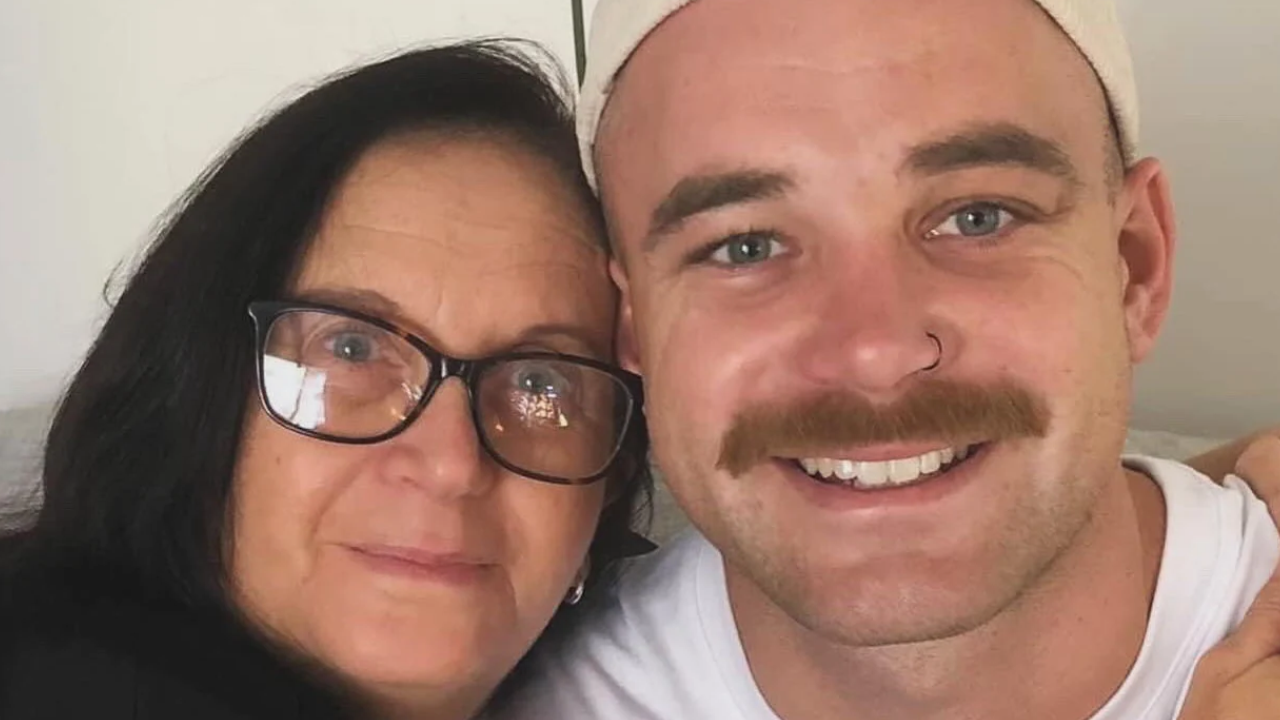
Queensland mother denied food at hospital because she wasn't breastfeeding
This video is relevant because it covers a strikingly similar case where a mother was denied hospital food due to not breastfeeding, highlighting a widespread systemic issue.