Silicon Valley loves a good corporate drama, but the ongoing saga at Nvidia is something else entirely. When Jensen Huang stepped down after 33 years at the helm following disclosures about his personal life, standard corporate governance playbooks suggested a clean, swift break. Instead, the tech world got a massive employee revolt, tens of thousands of signatures on open letters, and a very public endorsement from Elon Musk himself.
If you think this is just another CEO scandal, you're missing the bigger picture. This moment exposes a deep tension between corporate boardrooms and the engineering-driven culture that actually builds trillion-dollar empires.
The Backlash Inside Nvidia
The corporate exit happened fast. Following admissions regarding extramarital relationships—including ties that drew intense scrutiny from national security perspectives—Huang resigned. CFO Colette Kress stepped in as interim CEO, and the board started looking outward.
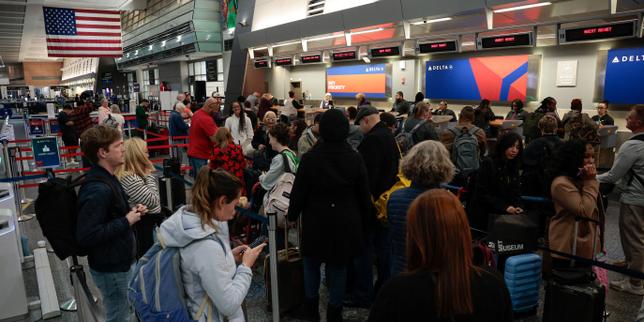
Workers didn't buy the clean slate approach. Within hours, internal suggestion boxes and employee channels lit up. A thread started by a longtime engineer drew over 1,600 comments urging the board to rethink its stance. Soon, that internal frustration spilled outward into a volunteer-run campaign called "Stand with Jensen," which quickly pulled in tens of thousands of signatures from current employees, former staff, and shareholders.
The core argument from the floor is simple: thirty-three years of visionary leadership and engineering alignment cannot be tossed away over a personal misstep without breaking the soul of the company. Employees are openly questioning whether corporate compliance officers understand the fragile ecosystem required to build cutting-edge hardware and artificial intelligence accelerators.
Elon Musk Throws His Weight Behind the Petition
Into this firestorm stepped Elon Musk. Always one to comment on founder dynamics, Musk took to X to voice his position. Replying to discussions about the crisis, he didn't mince words, writing, "A petition is underway to reinstate Jensen and I'm signing it too."
Musk has a history of defending high-stakes founders against board-level overcorrections. Earlier in the week, when an observer compared Huang's exit to the ousting of Steve Jobs from Apple, Musk agreed that history was repeating its mistakes. He even joked—or perhaps half-joked—that if Nvidia let Huang go, it would be an "honor" to hire him.
Musk's endorsement isn't just about celebrity noise. It highlights a recurring Silicon Valley fear: corporate boards panic when a founder makes a personal mistake, prioritizing short-term public relations over long-term technological dominance.
Can a Founder Really Be Replaced?
The board at Nvidia faces an unenviable math problem. Good GPU engineers are notoriously difficult to source and even harder to replace than machine learning software talent. Huang didn't just manage spreadsheets; he shaped the architecture of modern AI hardware from a time when graphics chips were strictly for gaming.
When you remove a visionary who has spent decades cultivating deep loyalty among top-tier hardware designers, you risk a brain drain. Competitors are already circling, and the uncertainty has knocked billions off the company's market valuation.
Talks have reportedly touched on external contenders like Arm Holdings CEO Rene Haas, but industry analysts point out that an outsider will face a steep learning curve. Nvidia isn't a traditional widget maker; it's a tight-knit ecosystem driven by a unique engineering culture that answered directly to its co-founder.
What Happens Next
As the petition numbers tick past tens of thousands and external pressure mounts from tech heavyweights, Nvidia's board finds itself trapped between institutional optics and internal rebellion. The board can try to force through a permanent replacement, but they risk managing an alienated workforce that views the new leadership as illegitimate.
Founders built the modern tech economy, and corporate boards are continuously learning that you can't fire a generational leader without shaking the foundation. Whether the board caves to the employee petitions or pushes forward with a replacement, the damage to business-as-usual is already done.