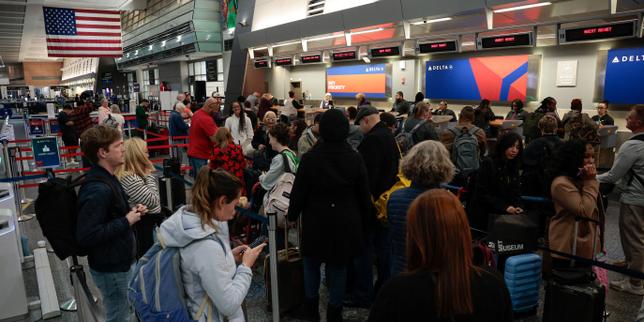
Air travel is a modern marvel until a routing computer from the 1980s decides to take an unscheduled nap. When the Federal Aviation Administration slapped a nationwide ground stop on all departing flights across the United States, panic rippled through terminals from coast to coast. It marked only the third time in national history that the entire airspace was frozen, echoing the solemn weight of September 11 and the 2023 system collapse.
Transportation Secretary Sean Duffy didn't mince words when addressing reporters, pointing the finger squarely at legacy technology and overburdened switches. Decades-old infrastructure buckled under modern data loads, creating a cascading telecommunications failure that crippled Air Route Traffic Control Centers. For over four hours, thousands of planes sat parked on tarmacs while passengers stared blankly at departure boards flashing red cancellations.
The Anatomy of a National Airspace Freeze
What actually happens when the Federal Aviation Administration orders a total standstill? Unlike localized weather delays or minor technical glitches, a nationwide ground stop cuts the nerve cord of flight routing. Regional control centers lost the capacity to reliably transmit routing data and radio frequencies to active cockpits.
Homeland Security Secretary Markwayne Mullin rushed to reassure the public that the crisis was purely technical rather than a nefarious security breach. Yet, the psychological impact was immediate. Travelers remember past software glitches, and any sudden halt to commercial aviation triggers instant anxiety.
The underlying culprit wasn't an advanced cyberattack by a foreign adversary. Instead, it was a data traffic jam. New FAA network updates collided with aging hardware systems, overwhelming internal routers and creating massive synchronization loops. When systems are stitched together across forty years of patches, minor software strain can cascade into a total operational blackout.
Living With Fragile Transit Networks
Let's look at the broader picture. Our global transit grid relies heavily on aging electronic backbones that Congress has repeatedly promised to overhaul. The agency recently requested massive funding packages to finish modernizing air traffic control, yet upgrades move at a glacial pace compared to commercial tech sectors.
While airlines issued waivers and scrambled to rebook stranded flyers, alternate transit modes saw immediate surges. Amtrak reported massive spikes in phone and web traffic as desperate travelers sought alternative ways to reach their destinations.
If you travel frequently, you need a mental playbook for systemic transit failures. Relying on tight connections when flying through major hubs is a gamble you will eventually lose. Always download airline apps, track your flight status independently of airport monitors, and keep portable power banks packed in your carry-on bag.
The skies are open again, and flights are slowly returning to schedule. But until the underlying hardware gets a permanent fix, another massive ground stop remains a question of when, not if.