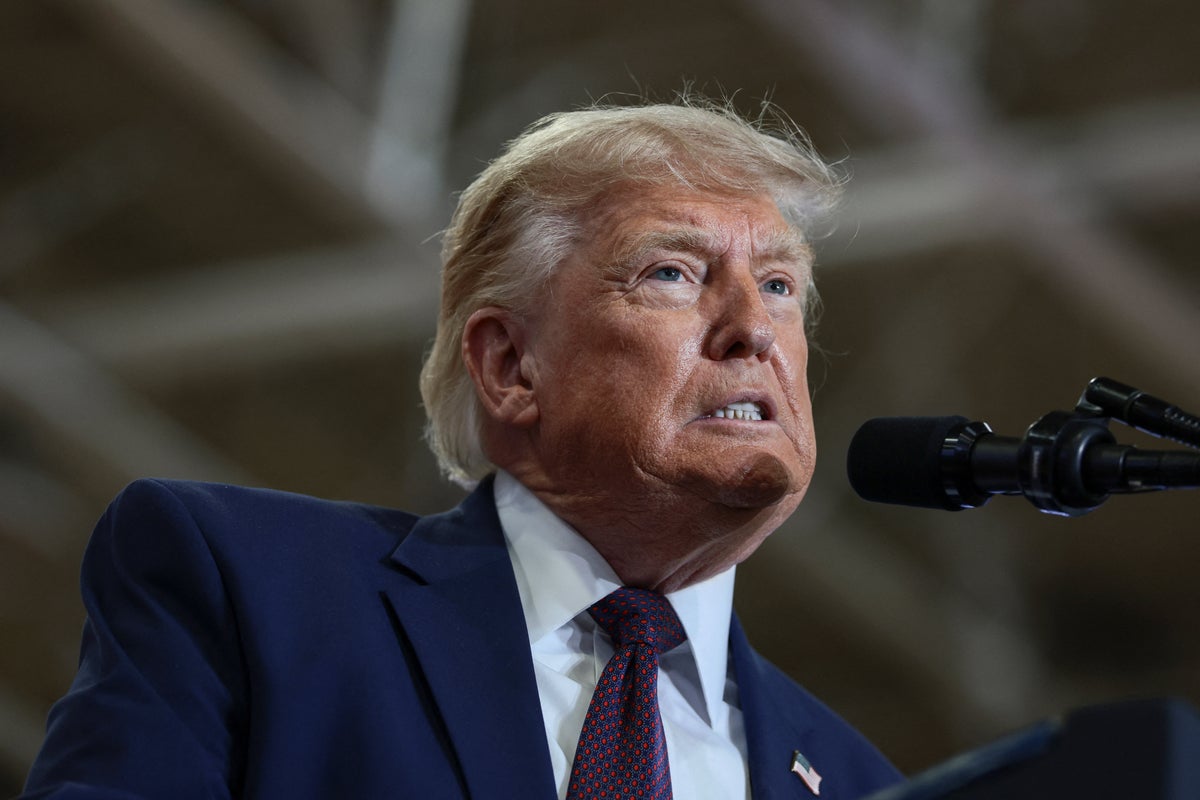
The internet is currently losing its mind over a medical mystery that sounds like a political thriller. It centers on a single, unnamed 79-year-old man who somehow bypassed the entire American healthcare system to get his hands on the most coveted, unapproved weight-loss drug on the planet.
STAT News broke the story, revealing that Eli Lilly and the Food and Drug Administration (FDA) quietly granted a "compassionate use" exemption in April for an experimental drug called retatrutide. Immediately, everyone looked at the White House. Donald Trump was 79 in April. He has a body mass index that flirts with the clinical obesity line. He has publicly joked about needing a "fat shot."
The White House rolled out an aggressive, late-night denial on X, formerly Twitter, calling the speculation the work of an "unserious gossip columnist" and stating flatly that the application was not for the president.
But the denial hasn't stopped the chatter. The real story here isn't just about a potential political scandal. It's about a wildly broken system where a single, hyper-connected individual can snap their fingers and get a next-generation medication while millions of regular citizens are fighting tooth and nail with insurance companies just to get basic healthcare.
What Is Retatrutide and Why Do People Care
You're probably familiar with Ozempic, Wegovy, and Zepbound. They are GLP-1 and GIP receptor agonists. They mimic gut hormones to slow digestion and quiet the constant mental noise about food.
Retatrutide is Eli Lilly's next big weapon. It is a triple-hormone receptor agonist. It targets GLP-1, GIP, and glucagon all at once.
Early clinical data shows patients losing an average of 28% of their body weight on the highest dose. That isn't just a minor upgrade. That is a number that competes directly with invasive bariatric surgery, all from a weekly needle.
The catch? It isn't FDA-approved yet. Unless you managed to land a coveted slot in an active clinical trial, you aren't supposed to be able to touch it.
The Bizarre Details of the April Request
The FDA has a mechanism called the expanded access program, often called compassionate use. It is designed for patients facing terminal illnesses or severe, life-threatening conditions who have completely run out of options. Think late-stage cancer patients looking for a hail-mary experimental therapy.
Applying this standard to obesity is incredibly rare. Multiple medical experts have stepped forward to say an expanded access approval for a weight-loss drug is practically unheard of.
Here is what we actually know about the mystery patient based on the federal filing data:
- The Doctor: The request was submitted by Dr. Ranganath Muniyappa, a senior endocrinologist at the National Institutes of Health (NIH).
- The Profile: The patient was a 79-year-old male with refractory obesity, obstructive sleep apnea, and pulmonary hypertension.
- The Medical History: The patient had been taking Zepbound for a year but only saw moderate weight loss. Surgery was ruled out due to his age and comorbidities.
- The Paperwork: The listing on ClinicalTrials.gov is shockingly empty. It didn't list the medical condition, eligibility criteria, or location. Industry veterans have called the filing highly unusual and completely uninformative.
The request reportedly drew immediate eyes from top federal health officials. In Washington, when a routine clinical request gets flagged by the higher-ups, it usually means the name on the file carries serious weight.
Why the White House Had to Move Fast
The White House was originally vague when reporters started digging, pushing questions over to the Department of Health and Human Services. That initial silence acted like lighter fluid on a campfire.
When the story went live, White House spokesperson Kush Desai jumped on social media to shut it down. He stated the application was absolutely not for Trump. He argued that the administration shouldn't have to swat down baseline rumors just to keep them out of print.
The panic makes sense. The optics of this situation are incredibly toxic for any administration.
The White House spent the last year hammering out high-profile drug pricing deals. They launched TrumpRx to lower the cost of existing medications like Wegovy and Zepbound down to roughly $350 a month through government portals. They negotiated directly with Eli Lilly CEO David Ricks.
If the public believes the man at the top of that administration is using his political leverage to score an unapproved, superior medication from the exact same company he is regulating, the populist pricing narrative falls apart.
The Real Issue Facing Everyday Patients
Let's look past the political theater. The real frustration for most people watching this play out is the sheer double standard of medical access in America.
Right now, everyday people with severe health issues are being denied coverage for existing, fully approved GLP-1 drugs. Insurance companies routinely drop coverage, demand endless prior authorizations, or require patients to fail multiple older therapies before approving a script.
The Trump administration even shelved a late-stage plan from the previous administration that would have broadly covered anti-obesity medications under Medicare Part D. Instead, they opted for a more limited pilot program with a $50 copay for select beneficiaries.
So, while the average senior citizen is being told that the government cannot afford to cover their weight-loss shots, a mystery insider gets a custom, fast-tracked loophole for a drug that technically shouldn't even be outside a lab.
How the Healthcare Loophole Works
If you're wondering how someone actually pulls this off, it comes down to access, influence, and knowing how to navigate bureaucratic machinery.
To get an unapproved drug via compassionate use, a physician has to convince both the pharmaceutical company and the FDA that the patient's situation is dire, that no alternative exists, and that the potential benefit outweighs the unknown risks of an unapproved compound.
Most doctors don't have the time or the institutional relationships to fight that battle for a standard patient. It requires an immense amount of administrative work. When the doctor writing that request happens to sit at the top of the NIH, the paperwork doesn't sit at the bottom of a generic inbox. It moves.
Eli Lilly has stated they only grant these requests in exceptionally rare situations when clinical trials aren't an option. They refused to comment on the specifics of this case.
What Happens Next
We likely won't ever get a confirmed identity for the 79-year-old patient due to federal patient privacy laws. The White House denial is on the record, and the federal tracking logs will remain vague.
If you are looking to protect your own health or want to track when these advanced therapies actually become available to the public, do these three things:
- Watch the TRIUMPH-1 clinical trial results for retatrutide. The data coming out of these late-stage trials will dictate when the FDA grants actual, widespread approval to the public.
- Check your specific insurance formulary quarterly. Insurance companies are updating their rules for GLP-1 and triple-agonist drugs rapidly due to shifting drug prices.
- Don't look for unapproved versions online. The sudden hype around retatrutide has led to a massive surge in dangerous, counterfeit online pharmacies selling unverified research chemicals that can cause severe gastrointestinal injury.