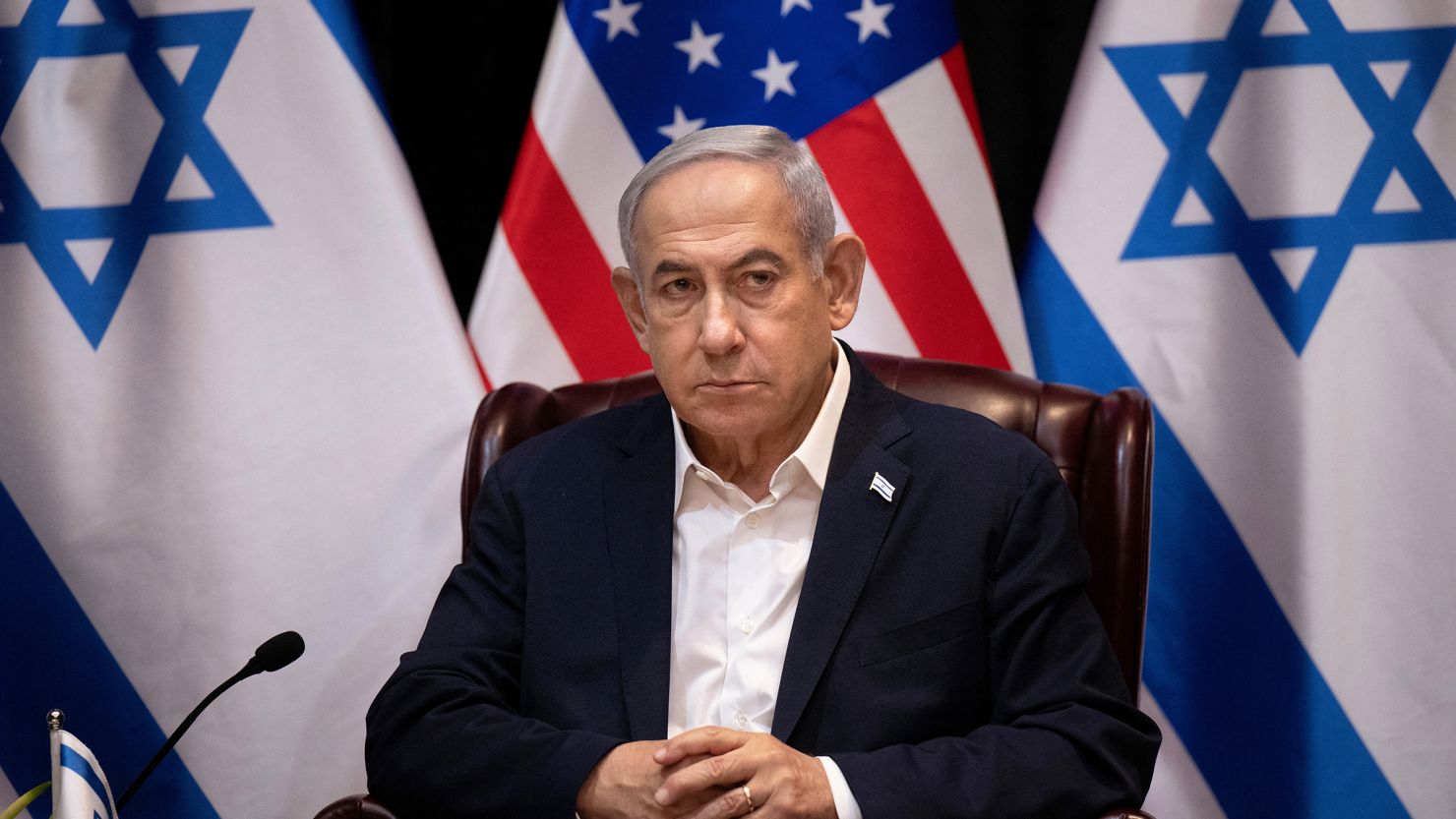
Talks between Gadi Eisenkot and Benjamin Netanyahu sound like a political plot twist. Honestly, in Israeli coalition politics, almost nothing is permanently off the table until the Knesset votes.
When a former IDF chief of staff and national unity figure reaches out to a longtime prime minister over forming a new Israeli government, voters immediately ask two things. Is this real coalition building? Or is it political theater meant to reshape leverage before a deal gets done? If you found value in this piece, you should read: this related article.
You can't read a move like this in a vacuum. Israeli politics runs on razor-thin margins, competing personal loyalties, security pressures, and ideological fault lines that rarely line up neatly. Even when politicians speak the language of unity or responsibility, every invitation carries a calculation behind it.
What Gadi Eisenkot Inviting Netanyahu Actually Signals
At face value, an invitation for talks signals openness to negotiation where gridlock might otherwise win. In a system built on proportional representation and multi-party coalitions, nobody governs alone. To reach a 61-seat Knesset majority, leaders regularly have to talk to people they criticize sharply in public. For another angle on this story, check out the latest update from NBC News.
That's the part casual observers miss. Public sparring and backchannel talks happen side by side all the time. A sharp speech on Monday doesn't rule out a sit-down on Wednesday if the arithmetic demands it.
When Eisenkot—a figure with deep security credentials and a reputation for institutional restraint—engages with Netanyahu, it forces everyone else in the room to react. Other party leaders can't simply ignore the signal. They have to decide whether to harden their own demands, speed up rival negotiations, or test whether the invitation is serious or tactical.
From my perspective watching parliamentary systems, invitations like this rarely happen by accident. Politicians know the headlines they generate. Putting an offer or request for talks on the record puts pressure on the other side to answer, even if the answer is guarded or noncommittal.
Why Coalition Talks in Israel Are Never Just About Policy
If you treat coalition negotiations like a simple checklist of policy positions, you'll get tripped up almost every time. Policy matters, of course. Defense strategy, judicial authority, budget priorities, and religious-state arrangements all show up in coalition agreements.
Still, power and trust sit right at the center of the table. Who gets which ministries? Who controls security portfolios or key parliamentary committees? Can the partners actually stand working together when a crisis hits?
Over the years, I've seen plenty of coalition efforts stall not because the parties couldn't write a platform on paper, but because nobody trusted the other side to stick to it once the ink dried. In fragile multi-party governments, one defection or one high-stakes disagreement can threaten the whole majority.
The Arithmetic Behind Any New Government
Every serious talk comes back to seats in the 120-member Knesset. Getting to 61 isn't just about adding numbers; it's about finding combinations that don't tear themselves apart from within.
A coalition that looks workable on paper can still be brittle in practice. If a government relies on factions with clashing views on military service, diplomatic strategy, or governance norms, every vote becomes a negotiation all over again. That's why leaders test multiple options and float trial balloons before committing to a path.
Leverage, Credibility, and Public Pressure
Inviting a rival or longtime political opponent to talks also shapes the public narrative. It lets the person extending the invite look pragmatic, serious, or willing to put national stability ahead of personal grievances.
At the same time, it carries risk. Supporters on your own side might worry you're giving ground too easily. Critics might accuse you of chasing relevance or cutting corners on principles. Every move in Israeli politics is a balancing act between what plays well with your base and what's mathematically required to govern.
Common Misconceptions About Israeli Coalition Moves
People outside the region often fall into a few predictable traps when reading news about talks between rival leaders.
Misconception 1: An invitation to talk means a deal is imminent. Not even close. Exploratory talks happen constantly. Many go nowhere, and some are designed to clarify red lines rather than close a bargain.
Misconception 2: Past rivalries make future cooperation impossible. Politics in Jerusalem has a long memory, yet survival and majority math have a way of overriding old feuds. Stranger alliances have formed when options ran out.
Misconception 3: One meeting settles the bigger political picture. A single outreach or conversation is usually one piece of a much larger chess game involving multiple factions, deadlines, and shifting incentives.
What to Watch Next as Talks Unfold
Because exact reporting from behind closed doors is always limited and details shift fast, the smartest approach is to look at concrete actions rather than spin.
- Watch the response from Netanyahu and his allies. Do they treat the outreach as serious, dismiss it out of hand, or use it to gain leverage with other potential partners?
- Track reactions from smaller factions. A move between two major figures affects every mid-sized and small party trying to protect its bargaining power.
- Look for substantive conditions. Talks get real when participants move past broad slogans and start arguing over concrete portfolios, policies, and timelines.
- Check multiple credible news outlets. When major political moves break, cross-checking reputable reporting helps separate verified facts from rumor and partisan framing.
If you're following this story closely, set aside the noise for a moment and ask a simple question: does this outreach actually bring anyone closer to a durable 61-seat majority, or does it mostly change who has to explain themselves to the public?