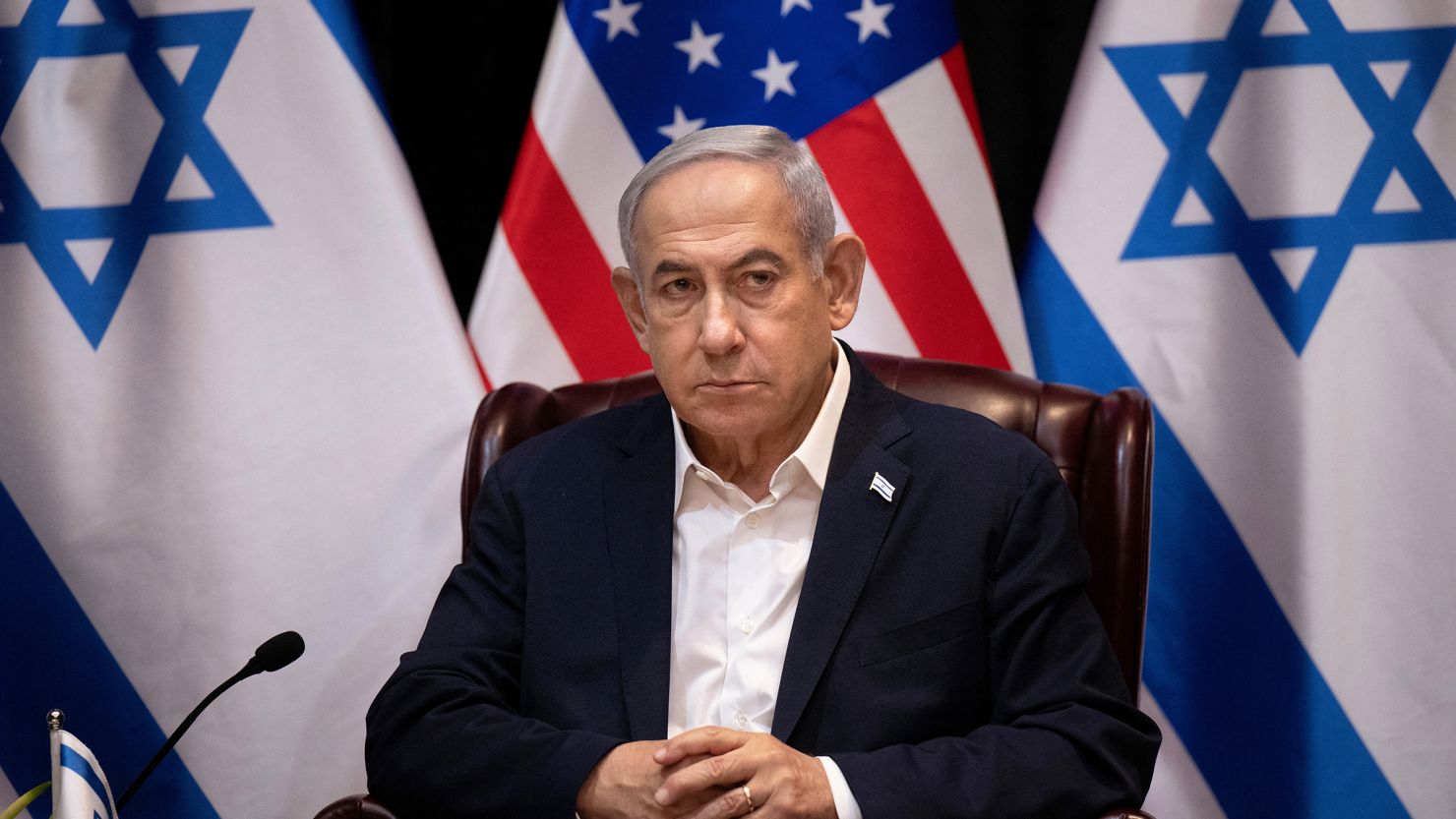
When two seasoned Israeli leaders clash over whether Iran poses an immediate security threat, you're watching a battle over strategy, not just a headline. Benjamin Netanyahu and Gadi Eisenkot both know defense inside out. Yet they read the urgency of Tehran's threat differently, and honestly, that divide shapes how everyday citizens, investors, and regional neighbors think about war and peace.
Let's cut right to the core question people search for when they see a clash like this. Is Iran an immediate security threat right now, or are leaders debating timelines, escalation risks, and political leverage? In security analysis, "immediate" rarely means a single simple thing. One leader may mean a direct military strike or active proxy pressure unfolding today. Another may focus on nuclear thresholds, regional deterrence, or how rushing into a crisis can backfire on the home front.
I've spent years following Middle East defense debates and reading security briefings alongside public commentary. Here's a mistake I see readers make all the time. They treat a disagreement between two officials as proof that one is a warmonger and the other is naive. Usually, both are staring at real intelligence and real risks, then weighting them differently.
Why Netanyahu and Eisenkot Read the Iran Threat So Differently
Benjamin Netanyahu has built much of his political identity around framing Iran's nuclear ambitions and regional reach as an existential danger that demands constant pressure and decisive action. When a prime minister talks about urgency, they're often thinking about preventing irreversible milestones before diplomacy or deterrence runs out of room. That framing can mobilize allies and keep public attention locked on worst-case scenarios.
Gadi Eisenkot comes from the top of the military establishment, where operational bandwidth, troop exhaustion, and multi-front strain are daily realities. Former IDF chiefs of staff tend to ask hard questions about sequencing and readiness. If your forces are stretched or your strategic goals aren't clearly tied to an exit path, treating every threat as equally urgent can create costly blind spots.
A disagreement over whether a threat is "immediate" is really a disagreement over where to spend limited military and political energy first.
That doesn't mean one view is pure politics and the other is pure strategy. Politics and strategy bleed into each other constantly in Jerusalem. Still, separating rhetoric from operational trade-offs helps you see why smart people inside the same security orbit can argue so sharply.
The Trap of Treating Every Warning as an Imminent Strike
When politicians use urgent language, audiences tend to hear "a war starts tomorrow." Sometimes that's accurate. Often, it's shorthand for "if we don't act or prepare now, our options get worse later."
In public debates, conflating long-term danger with immediate inevitability distorts judgment. It pushes people toward panic buying, knee-jerk market moves, or oversimplified takes on social media. Worse, it makes it harder to tell the difference between routine deterrence signaling and a genuine shift in posture.
What Gets Missed When Headlines Focus Only on Sparring
A clash between Netanyahu and Eisenkot makes great copy because conflict sells. What usually gets left on the cutting-room floor is the quieter work happening behind the scenes.
- Deterrence signaling: Public arguments sometimes double as messages to adversaries and Washington about resolve or restraint.
- Resource allocation: Every dollar and deployment hour aimed at one front affects readiness somewhere else.
- Domestic coalition dynamics: Leaders speak to voters and coalition partners even when they're ostensibly debating foreign threats.
- Escalation control: Officials weigh how a move today might trigger retaliation across multiple theaters weeks later.
How to Judge Claims About an Immediate Security Threat
You don't need a security clearance to read defense disputes more clearly. You just need a habit of checking the details behind the adjectives.
First, look for timeframes and mechanisms. Is someone pointing to a specific capability, a regional proxy action, or a broader strategic shift? Vague warnings about "imminent danger" without clear mechanics deserve healthy skepticism until corroborated by credible reporting.
Second, compare official statements against actions. If a threat is truly immediate in a tactical sense, government actions, civil defense guidance, and international alerts usually reflect it. When rhetoric spikes while daily life and standard readiness protocols stay steady, the debate is often about policy direction rather than an hour-by-hour countdown.
Third, watch for confirmation bias in your own feed. If you already distrust Netanyahu, you'll read his warnings as political theater. If you already favor Eisenkot's tone, you'll treat his caution as objective wisdom. Both instincts are human, and both can steer you wrong.
Practical Next Steps When Following Defense Debates
- Read multiple outlets with different angles: Pair coverage from outlets like The Times of Israel with international wires and independent defense analysis so you catch nuance rather than spin.
- Separate capability from intent: Track what a country or group can do separately from what leaders claim they are about to do.
- Avoid reactive financial or personal decisions: Don't make major travel, business, or investment moves off a single political exchange without checking verified advisories and market fundamentals.
- Revisit claims a week later: Keep a mental note of bold predictions about "immediate" outcomes and see which ones actually materialized.
Debates over Iran's threat level will keep flaring up because the stakes are high and the facts on the ground keep shifting. Stay skeptical of easy labels, watch the actual trade-offs, and let evidence do the heavy lifting.