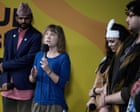
The air inside the Cop31 climate summit is thick with recycled rhetoric, diplomatic handshakes, and empty promises. Then Greta Thunberg speaks. While world leaders scramble to draft watered-down communiques that safeguard next quarter's GDP rather than the next century's survival, Thunberg cuts through the noise with brutal clarity. The planet is being killed. Not metaphorically. Not sometime in the distant future. Right now, on our watch, systems are collapsing while diplomats argue over semantics.
If you've been following international climate summits, you already know the script. A host nation rolls out the green carpet, delegates sip overpriced coffee in secure zones, and minor targets get shifted five years into the future. Thunberg’s appearance at Cop31 serves as a violent reminder that the gap between political theater and physical reality has never been wider.
Why Cop31 Keeps Missing the Point
Bureaucracy loves a committee. When global temperatures spike and extreme weather events rewrite historical records monthly, political systems respond by scheduling another meeting. That is the core frustration driving modern climate activism.
We are treating systemic ecological collapse like a budget shortfall.
Governments approach climate change as an economic transition problem. They want to know how to tax carbon without alienating voters or how to subsidize green tech without upsetting fossil fuel lobbies. But ecosystems don't negotiate tax credits. They don't care about election cycles. When feedback loops take over—like melting permafrost releasing methane or Amazon rainforest dieback—human timelines become entirely irrelevant.
Thunberg points out what polite diplomacy refuses to name: the current economic model requires endless growth on a finite planet. You can paint a coal plant green or slap an electric vehicle badge on a luxury SUV, but if the foundational logic remains extraction and consumption, you are just rearranging deck chairs on a sinking ship.
The Cost of Complacency
Most people assume someone else is handling the heavy lifting. You recycle your plastics, you buy local produce, and you vote for the party with the greener manifesto. You trust that scientists and politicians have a safety net ready.
They don't.
Look at the data coming out of meteorological agencies worldwide. Global emissions continue to hover near record highs despite decades of summits. Pledges made at past conferences are routinely missed or quietly abandoned when energy prices fluctuate. When geopolitical tensions flare, green targets get shelved for old-school fossil fuel security.
This is why activists are furious. The betrayal isn't just that politicians are failing; it's that they are lying about the scale of the failure. They stand at podiums talking about climate leadership while quietly approving new drilling leases behind closed doors.
What Real Accountability Looks Like
If we stop waiting for global summits to save us, what is left? Real action requires moving away from passive hope and toward aggressive systemic friction.
First, stop treating carbon offsets as a get-out-of-jail-free card. Corporations love paying a fraction of a cent extra on a flight or a product to plant a sapling that might survive a decade before burning down in a wildfire. That isn't climate action. That's accounting magic.
Second, demand legal accountability for ecological destruction. We need frameworks that treat massive environmental degradation not as a regulatory fine to be paid as a cost of doing business, but as a criminal offense.
Third, recognize that individual lifestyle changes matter, but only if they scale into collective political pressure. Refusing to buy plastic straws is fine, but it won't stop a multi-national energy conglomerate from flaring gas in the desert. Your power lies in disrupting business as usual.
Moving Past the Summit Cycle
We are past the point where a good speech or a well-crafted treaty can reverse decades of systemic damage. Greta Thunberg’s blunt assessment at Cop31 isn't meant to inspire hope in the halls of power. It's meant to shatter illusions.
The planet is being killed by a system that values profit metrics over atmospheric stability. Until we are brave enough to confront that economic reality, every climate summit is just expensive theater playing out against a burning backdrop.
Stop looking to politicians for permission to protect your own future. Direct action, local resilience, and uncompromising refusal to accept greenwashed lies are the only tools left that actually work.