Getting lost in the Australian wilderness is terrifying. Doing it without a mobile phone, fresh drinking water, or proper food for nearly a week sounds like an impossible sentence. Yet, that is exactly what seventeen-year-old William endured after vanishing into the rugged Victorian bushland near Walhalla East.
When a routine camping trip goes sideways, human resilience is tested in ways most of us only read about in survival manuals. Six agonizing days passed before a police helicopter spotted a lone fishing tackle box from the sky, leading rescuers straight to the teenager resting by a creek.
The Disappearance That Triggered a Massive Search
It started on November 6. William had been dropped off near a campsite roughly 180 kilometers east of Melbourne for his very first independent camping experience alongside a teenage friend. Things went wrong almost immediately when his friend left the main site to grab gear from a drop-off point, took a wrong turn, and lost track of William.
Without a phone to call for help, and having left his supplies behind, William was entirely on his own. Because he lives with Level 2 autism, navigating unfamiliar territory, sudden changes in routine, and sensory overload added layers of severe complexity to an already perilous situation.
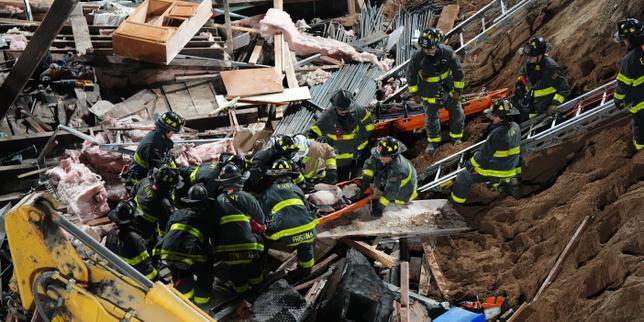
As hours turned into days, anxiety mounted. Victoria Police launched an expansive search operation involving hundreds of personnel. More than eighty dedicated volunteers combed through dense vegetation daily, alongside police divers, dog squads, the mounted branch, and specialized search and rescue teams. Heavy timber, steep embankments, and brutal terrain made ground searches painstakingly slow and dangerous.
Surviving Six Days in the Wild
Most humans panic when separated from modern conveniences for an hour, let alone six days. William's survival strategy came down to basic instinct, resourcefulness, and sheer grit.
After losing his bearings on the first day, he initially sought shelter beneath thick bushes. When he tried to move the following day, a nasty fall down a steep riverbed embankment left him with bruised, sore legs and minor cuts and scratches. Realizing that climbing back up was nearly impossible in his exhausted state, he stayed put near a freshwater creek for the final two days.
Water was secured directly from the stream. Food came down to a single family-sized packet of chicken-flavored potato chips, which he carefully rationed out over roughly forty-eight hours. To combat the biting nighttime chill of the Victorian high country, he utilized two towels and a pillow he had managed to keep with him.
The Helicopter Breakthrough
Ground crews struggled against thick overhead foliage, meaning the real breakthrough had to come from above. On Thursday morning, November 12, a Victoria Police Air Wing crew spotted a small fishing tackle box resting about two kilometers from where the teenager was last seen.
Hovering lower, the flight crew spotted William lying on a flat rock beside the creek. He was resting quietly, shirtless and sunburnt, but conscious and alert. Hearing the rotors overhead, he woke up, waved at the aircraft, and pumped his fist in pure triumph.
Rescuers were winched down into the ravine. Despite spending nearly a week exposed to the elements, medical evaluations at Latrobe Regional Hospital later confirmed he was in remarkably good spirits and decent physical condition, largely aided by his natural youthful fitness.
What This Case Teaches About Wilderness Survival
Stories like this capture global attention because they remind us how fragile our grip on civilization really is. Yet they also highlight critical takeaways for anyone heading into remote terrain.
First, never separate from your primary communication tools or basic survival gear, even for a short walk. Second, water management dictates survival timelines. Finding a reliable creek source kept William alive when dehydration would have incapacitated him within forty-eight hours. Finally, staying put once you realize you are truly lost dramatically increases search and rescue odds. Wandering blindly expands search grids exponentially, whereas remaining near an open water source gives air units a fighting chance to spot you.
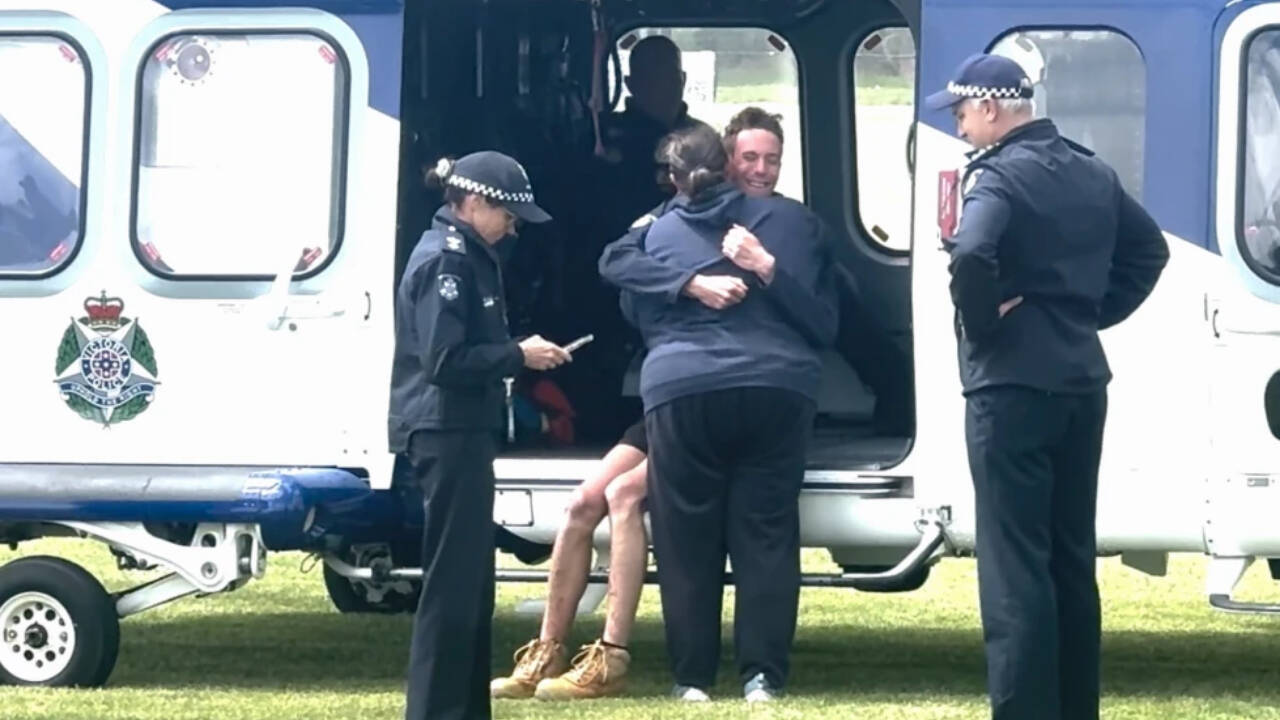
An emotional reunion with his mother at the police staging area brought the tense ordeal to a close, turning a potential tragedy into an extraordinary tale of survival against staggering odds.