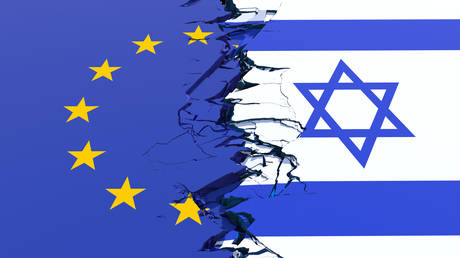
For decades, Western Europe operated under an unwritten diplomatic rule. No matter how tense things got in the Middle East, European leaders would ultimately back Israel. This unwavering support didn't just stem from strategic alliances or shared intelligence. It came from a deep, heavy sense of historical shame. The horrors of the Holocaust created a moral obligation that shielded Israeli policy from severe international consequences.
That shield has cracked.
The ongoing, devastating conflict in Gaza has pushed European patience past its breaking point. We are witnessing a massive geopolitical shift where historical guilt is no longer enough to buy blank-check diplomatic immunity. Public pressure, mounting civilian casualties, and a dramatic generational turnover have changed the calculus in European capitals.
The Generational Shift Changing European Politics
Walk through the halls of power in Brussels, Madrid, or Dublin today, and you will notice something obvious. The politicians making decisions did not live through World War II. They didn't even live through the immediate aftermath. For the younger generation of European voters and politicians, the Holocaust is a tragic chapter in a history textbook, not a living memory.
This matters immensely. Younger Europeans view the world through the lens of universal human rights and international law, rather than historical debts. When they look at Gaza, they see a powerful military state dropping bombs on a blockaded, impoverished population. They don't see the historical vulnerability that defined Israel in 1948. They see an occupying power.
Public opinion polls across the continent show a stark divide. While older citizens might still hesitate to criticize Israel due to historical sensitivities, younger demographics face no such internal conflict. They are taking to the streets, organizing boycotts, and demanding that their governments hold Israel accountable. European leaders are politicians first; they cannot afford to ignore their changing electorates.
A Fractured European Front
Europe is not a monolith, and the unraveling of this historical shield looks different depending on where you look.
Germany remains the most glaring example of historical memory driving foreign policy. Berlin has long defined Israel’s security as its Staatsräson—its reason of state. For a long time, criticizing Israel in German public life was a quick way to end your career. Yet even in Germany, the consensus is under immense strain. Public debates are turning fierce as intellectuals and citizens question whether atonement for past crimes justifies turning a blind eye to current humanitarian catastrophes.
Meanwhile, countries without that direct baggage are moving fast. Spain, Ireland, and Norway took the significant step of officially recognizing a Palestinian state. They didn't just make vague statements. They took concrete diplomatic action.
Ireland, which has its own history of British occupation, has consistently been one of the most vocal critics of Israeli actions. For Irish leadership, the situation is simple. It is about colonial oppression and human rights. The historical guilt that silences Berlin holds zero sway in Dublin.
International Courts Force Europe’s Hand
The shift isn't just happening in political speeches. It is playing out in international courtrooms, and Europe is caught right in the middle.
When South Africa brought genocide charges against Israel at the International Court of Justice (ICJ), it forced European nations to make a choice. They could either support the international legal order they helped build after World War II, or they could defend Israel. They couldn't do both.
The International Criminal Court (ICC) pursuing arrest warrants for Israeli leadership further complicated things. European nations are signatories to the Rome Statute. If an ICC warrant is issued, countries like France, Germany, and Italy are legally obligated to arrest the targeted individuals if they step foot on their soil.
This legal reality strips away the emotional arguments of historical guilt. You can feel as guilty as you want about the 1940s, but a treaty signed in the 2000s binds your judicial system today. European governments pride themselves on upholding the "rules-based international order." Breaking their own legal commitments to shield Israeli politicians would destroy whatever moral authority Europe has left on the global stage.
The Reality of Blank Check Diplomacy
Israel's current leadership seems to have miscalculated how long the Holocaust guilt shield would last. For years, Prime Minister Benjamin Netanyahu effectively used the memory of the Shoah to paint any serious European criticism as antisemitism. This tactic worked for a long time. It made European diplomats second-guess themselves.
But weaponizing history has a shelf life. When the civilian death toll in Gaza skyrocketed, the old defenses started sounding hollow to the average European observer. You cannot easily use the tragedy of the past to justify the starvation of the present.
By pushing the envelope so far, the Israeli government has accelerated the very outcome it wanted to avoid. It has normalized tough, uncompromising criticism from Western allies who used to whisper their concerns behind closed doors.
What Happens Next
The diplomatic landscape has permanently shifted, and there is no going back to the pre-Gaza status quo. If you want to understand where European-Israeli relations are heading, watch these specific areas.
First, keep an eye on arms export licenses. Countries like the Netherlands and Italy have already faced legal challenges and political pressure to halt weapons components shipments to Israel. Expect more domestic lawsuits across Europe aiming to block military aid based on humanitarian law.
Second, look at trade agreements. The EU is Israel's largest trading partner. Human rights clauses are baked into these trade frameworks. While a total suspension of the EU-Israel Association Agreement is unlikely due to requiring unanimity, individual member states will likely push for targeted economic sanctions or bans on products originating from West Bank settlements.
The old protective shield is gone. Europe is finally treating Israel like any other nation-state—subject to the same rules, the same criticisms, and the same legal boundaries as everyone else.