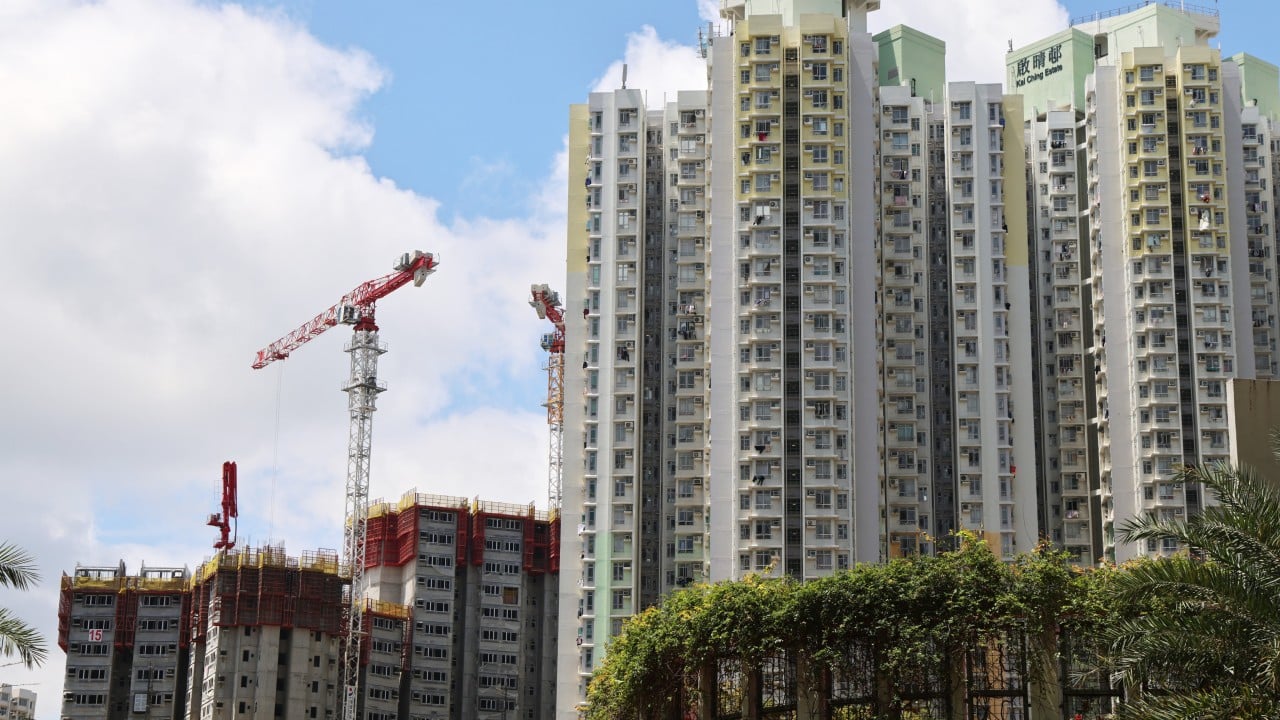
Waiting years for public housing in Hong Kong isn't just an inconvenience; it's a grinding life delay. When you look at the numbers, the reality hits hard. The average waiting time for public rental flats sits stubbornly above five years, leaving thousands stuck in cramped, substandard spaces while politicians talk in circles about land supply.
Critics and housing advocates are banging on the same doors for a reason. Hong Kong needs to aggressively expand public housing space and slash the red tape bogging down flat allocation. But how did we get here, and what actually needs to change to fix a system that feels permanently stuck in neutral?
The Core Bottleneck in Public Housing
The problem isn't simply a lack of land, though that's always the go-to excuse. The real bottleneck lies in bureaucratic drag and inflexible allocation mechanisms.
When flats finally finish construction, they don't get handed over immediately. Administrative checks, complex vetting processes, and outdated matching rules create massive friction.
- Applicants wait years for an initial offer.
- Refusals due to undesirable locations trigger long penalty loops.
- Recovered flats sit empty too long during turnaround maintenance.
If you have ever tried navigating the Housing Authority's pipeline, you know how exhausting it is. Officials move like cargo ships when the city needs speedboat agility.
Expanding Space Without Compromising Quality
Building more public housing space means rethinking density and design standards. Historically, public estates squeezed maximum units into minimal square footage, often sacrificing livability. Recent adjustments by the Housing Authority to increase average flat sizes are a step forward, but execution speed remains painfully slow.
We need modular construction methods deployed at scale. Prefabricated components can shave months off building timelines. More importantly, urban redevelopment projects like the ongoing clearance of older estates must synchronize smoothly with rehousing schedules. If you tear down an old block without a ready alternative, you just shift the pressure elsewhere.
Speeding Up Flat Allocation Channels
Allocating units faster requires modernizing the backend. Schemes like the Express Flat Allocation Scheme help clear unpopular or recovered flats, but it's restricted by rigid timelines and heavy application caps.
Why not keep permanent, rolling digital queues open year-round? Why do vacant flats require weeks of manual paperwork before a new tenant gets the keys? Streamlining turnaround maintenance should be priority number one. Every week a flat sits empty between tenants is a wasted opportunity to pull a family out of a subdivided unit.
Cutting Through the Red Tape
Real change demands political courage. Bureaucrats love safety margins, endless committee reviews, and risk-averse policies. But chronic housing stress demands emergency-level execution.
Stop treating public housing allocation as a static accounting exercise. Treat it like the social crisis it is. Cut duplicate vetting steps, digitize verification fully, and tie departmental performance metrics directly to vacancy turnaround times.
The blueprint for a faster, more spacious public housing network exists. The missing ingredient is the will to enforce it without endless delays. Fix the pipeline, clear the backlog, and give residents their lives back.