The war in eastern Europe is shifting gears again. Moscow isn't just relying on domestic conscription anymore. Instead, Vladimir Putin's military planners are eyeing a massive influx of foreign manpower.
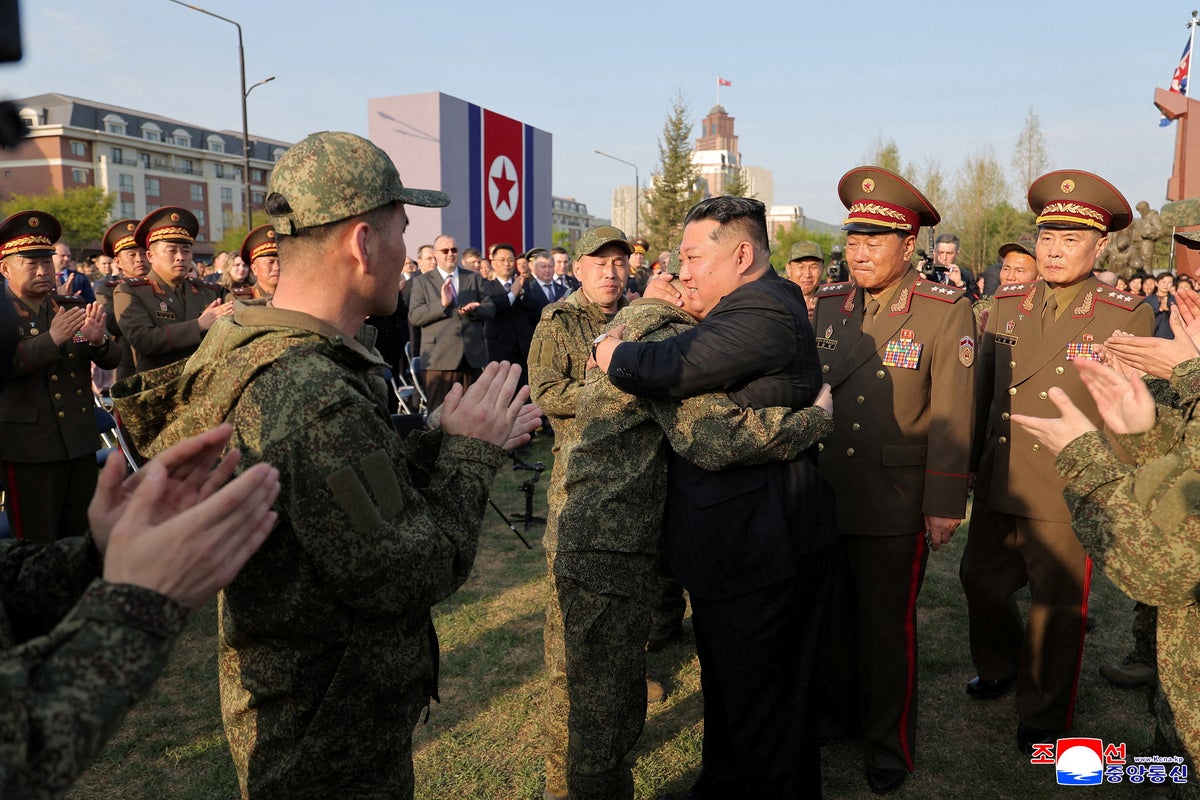
According to intelligence briefings outlined by Ukrainian leadership, Russia is preparing facilities in the Voronezh region to accommodate up to 30,000 additional North Korean troops. If this deployment materializes, it will more than double the footprint of Pyongyang's forces already committed to the conflict.
You need to look past the standard headlines to understand what is actually driving this escalation. This isn't just about throwing bodies at a frontline. It is a calculated restructuring of a protracted war of attrition.
Beyond the Initial Deployment
When reports first surfaced of North Korean soldiers heading to Russia's Kursk region following Ukraine's cross-border offensive, many analysts dismissed it as a temporary gimmick. They were wrong. Thousands of troops integrated into Russian formations, taking heavy casualties while gaining modern combat experience.
Now, the scale is changing. Why thirty thousand?
Domestic political costs play a massive role. Ordering another wave of forced mobilization inside Russia is deeply unpopular. By outsourcing a portion of the human cost to Pyongyang, the Kremlin hopes to keep domestic discontent bubbling under the surface while maintaining offensive momentum in the Donbas and surrounding sectors.
At the same time, North Korea isn't acting out of pure charity. Kim Jong Un is getting an unprecedented return on investment.
What Pyongyang Gets Out of the Deal
We have to look at the other side of this transaction. North Korea's military has operated under isolated Soviet-era doctrines for decades with zero real-world combat testing.
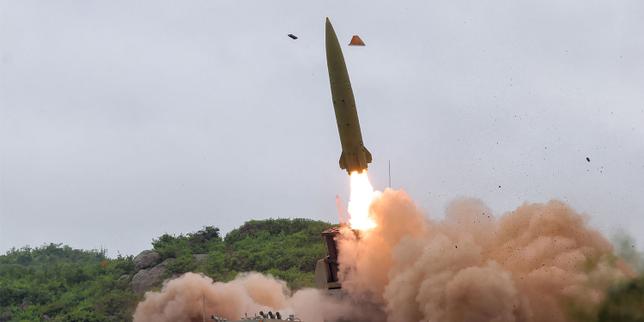
Sending thousands of troops into a high-intensity, drone-saturated modern war provides Pyongyang's military command with priceless data. They are learning how artillery duels actually work against modern electronic warfare. They are seeing how ballistic missiles perform under stress.
Beyond experience, intelligence indicates that ballistic missile launchers, advanced military technology transfers, and financial lifelines are flowing back across the border. The new road bridge linking Russia and North Korea isn't being built for casual tourism. It is heavy logistics infrastructure designed to bypass satellite surveillance and feed a joint war machine.
The Strategic Reality on the Ground
If you are wondering how this impacts the daily calculus of the war, look at logistics.
North Korea has already supplied millions of artillery shells to keep Russian guns firing continuously. Without those millions of rounds, the Russian artillery advantage would have cratered long ago. Adding tens of thousands of auxiliary personnel means Russia can free up its own seasoned contract soldiers for front-line assaults, using North Korean units for rear-area security, logistical transport, and engineering tasks.
Critics often ask whether North Korean troops are effective. Many lack modern training outside of rigid ideological conditioning. Yet in a war defined by sheer volume of fire and manpower attrition, raw numbers change the math entirely.
What Comes Next
Intelligence assessments suggest the infrastructure to absorb these forces has been quietly expanding. Whether the full batch of 30,000 arrives all at once or in staggered waves, the message from Moscow is unmistakable. The Kremlin is betting that external partnerships can outlast Western aid fatigue and sustain a multi-year campaign.
Keep your eyes on the logistics hubs in southwestern Russia. That is where the reality of this expanded alliance will manifest long before it hits the front lines.