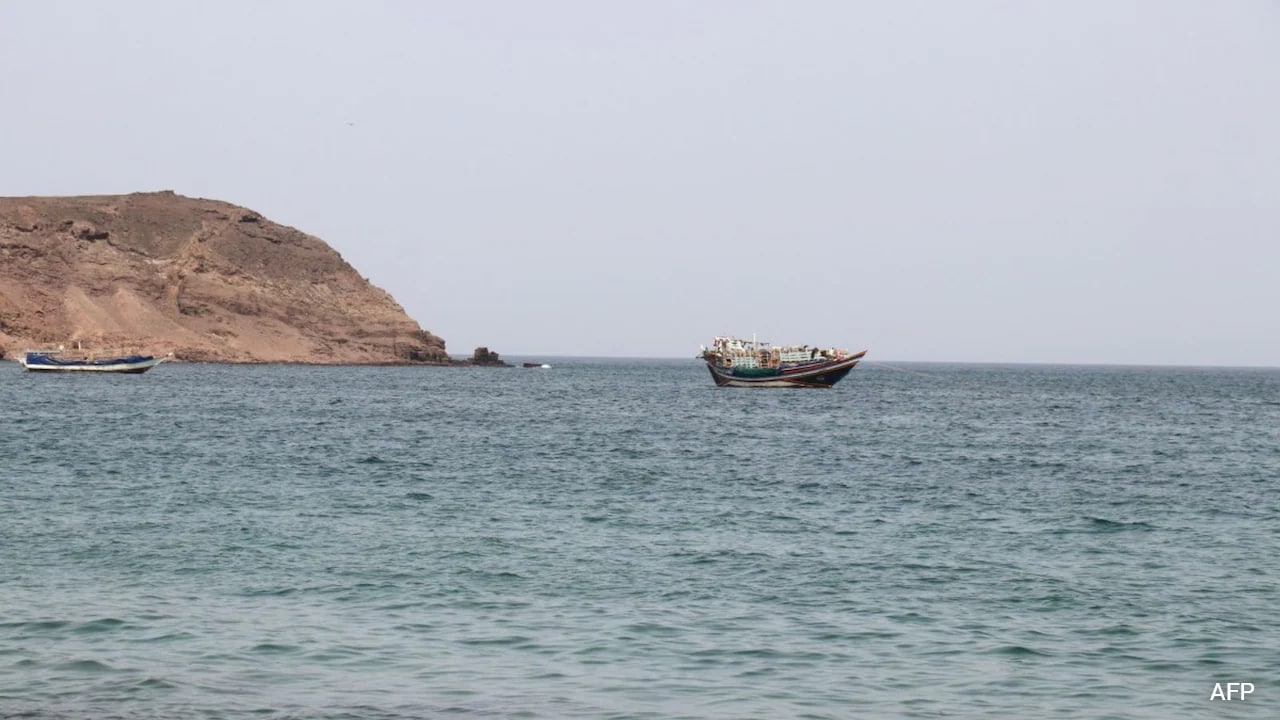
The quiet truce is dead. When the Iran-backed Houthi movement seized the remainder of Yemen's Red Sea coast and critical islands like Perim, they didn't just win a local skirmish. They shattered a fragile peace that had held since 2022, sending Brent crude past $100 a barrel and dragging Riyadh back into a high-stakes aerial campaign.
If you've been wondering why Saudi jets are suddenly pounding rebel strongholds again, you need to look at the map. The Houthis captured strategic terrain around the Bab al-Mandab Strait, launched ballistic missiles and drones at southern Saudi airbases like Sharurah and Khamis Mushait, and forced thousands of civilians to flee toward Aden and Djibouti. Riyadh didn't have a choice. They had to strike back.
The Spark That Reignited the Conflict
The current escalation didn't happen in a vacuum. Hostilities flared back up in July when the Houthis declared a maritime blockade on Saudi ports and permitted an unapproved Iranian flight to land in Sanaa. Tensions escalated rapidly into an all-out military offensive.
By mid-September, Houthi fighters blitzed through western Yemen, capturing the port city of Mocha and tightening their grip on vital shipping lanes. In retaliation for the territorial losses and infrastructure threats, the Royal Saudi Air Force unleashed hundreds of airstrikes. Houthi spokesmen reported more than 350 to 450 coalition raids hitting positions in Saada, Taiz, and Al-Jawf in a matter of days.
The battlefield logic is brutal and straightforward. The Houthis use asymmetric drone and missile tactics to target Saudi energy sites and military installations. Riyadh responds with air power to prop up fractured government-allied forces that are struggling to hold the line.
What Most People Get Wrong About the Saudi Response
There’s a common misconception that Saudi Arabia acts with unchecked aggression whenever a projectile crosses its border. In reality, Riyadh is walking a very thin diplomatic tightrope.
Crown Prince Mohammed bin Salman has faced severe military and economic pressures, including attacks on the country's east-west oil pipeline. Reports indicate that Riyadh pressed Washington for direct military backing, only to be rebuffed by President Donald Trump. Washington wants to avoid being sucked into another costly Middle Eastern quagmire, choosing instead to offer limited intelligence and planning support through a US military task force.
Meanwhile, the Houthis have played a shrewd diplomatic game, signaling to Washington that they want to keep US shipping out of the direct line of fire while aggressively pressuring the Saudis. This leaves Riyadh isolated on the offensive front, relying entirely on its own air force and crumbling local Yemeni proxies to reverse insurgent gains.
The Real Cost on the Ground
Behind the geopolitical grandstanding and fluctuating oil markets lies an unfolding humanitarian disaster. More than 150,000 people have already died since the civil war began a decade ago. The latest offensive has displaced over 100,000 civilians in a matter of days, forcing families into makeshift camps in Aden or risking perilous sea crossings to Djibouti.
Factions on both sides are digging in for a long war. The internationally recognized government insists it is regrouping to reclaim state institutions, while the Houthis vow to expand their operations if Saudi airstrikes continue.
Keep an eye on the Bab al-Mandab Strait and regional energy infrastructure. This crisis isn't going away anytime soon.