Forget the outdated image of ragtag militias firing rusty rifles from the backs of pickup trucks. Yemen's Houthi movement has morphed into a high-tech military force capable of building advanced weaponry, launching long-range missiles over a thousand miles, and even experimenting with artificial intelligence for weapon guidance. If you are wondering how a group operating inside one of the poorest nations on earth managed to project power across the Red Sea and threaten global trade, you need to look past simple narratives about foreign proxies. The reality on the ground is far more complex, and frankly, a lot more alarming.
For years, analysts labeled the Houthis as a mere extension of Iran's Islamic Revolutionary Guard Corps. Tehran certainly supplies key components, training, and financial backing, but treating the group as a simple puppet misses the mark entirely. Over the past several years, the Houthis have worked hard to indigenize their military production. They don't just assemble imported kits; they manufacture drone components, modify ballistic missiles, and establish decentralized supply networks that span across the Indian Ocean and the Middle East. When international authorities crack down on one smuggling route, their logistics managers simply reroute materials through overland paths or alternate sea lanes.
The sophistication of their arsenal became glaringly obvious when investigations revealed that operatives in Houthi-held territory were leveraging advanced technology tools, including AI coding assistants, to design guidance software for long-range rockets and aerial systems. While tech firms quickly moved to ban accounts linked to these weapon development tests, the incident proved a terrifying point. Non-state actors no longer need an indigenous heavy industrial base to build cutting-edge military hardware. They can crowdsource technical knowledge, exploit global commercial supply chains, and build offline simulation toolkits to bypass traditional blockades.
This domestic manufacturing push gives the group incredible tactical flexibility. Even with the U.S. Navy and regional coalitions attempting to intercept arms shipments and enforce strict embargos, the flow of raw materials and small specialized parts has continued through a bewildering array of commercial channels. The group captures territory, secures strategic choke points like the Bab al-Mandab Strait, and leverages its growing domestic stockpiles to pressure neighbors and international shipping alike.
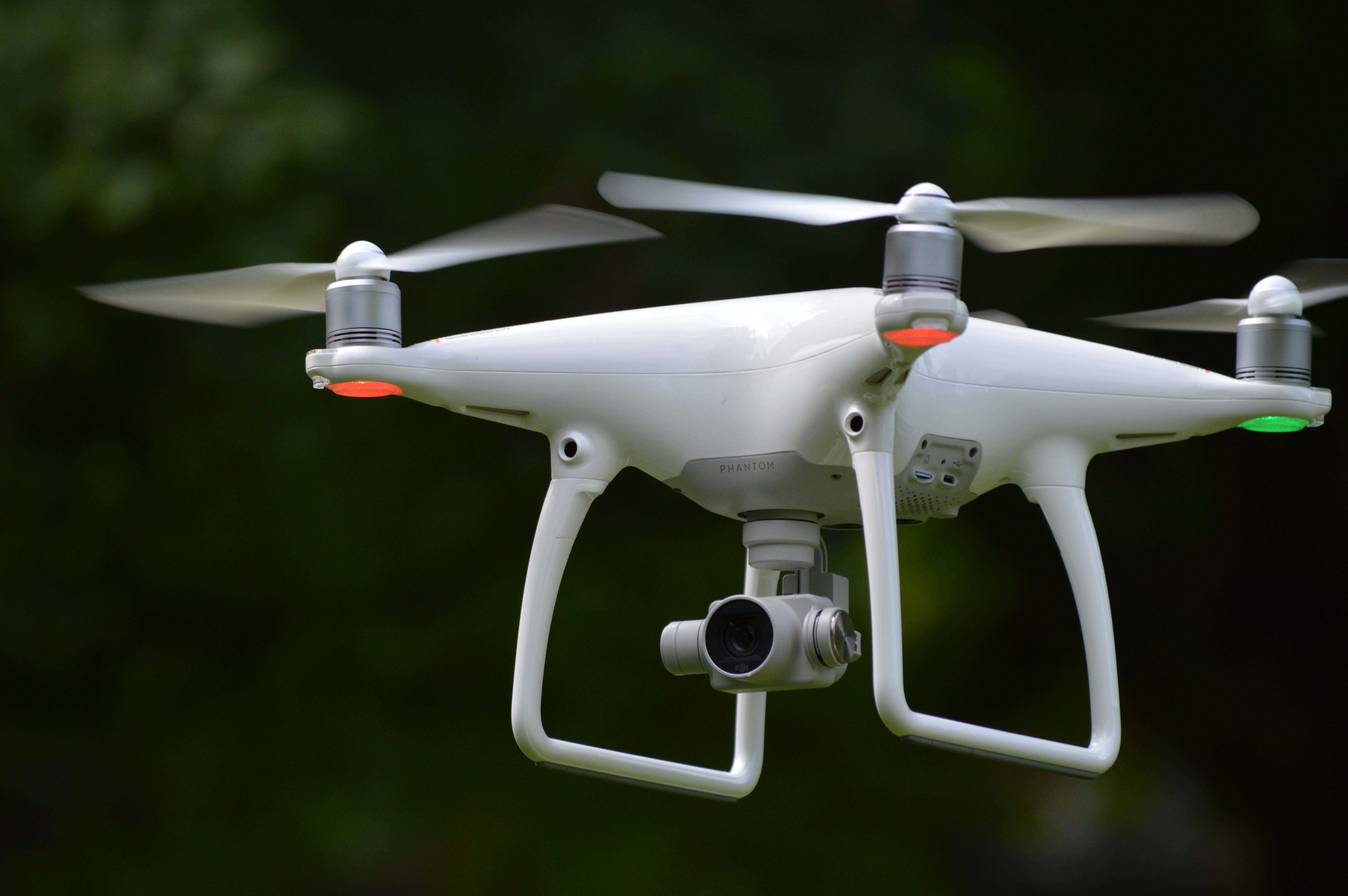
What makes this evolution so dangerous is the sheer entrepreneurial drive of the movement. They adapt faster than many conventional militaries expect. They take off-the-shelf components—engines, navigational data receivers, and communication gear—and repurpose them into cheap, highly effective naval and aerial drones.
If international security forces want to curb this expanding threat, relying solely on naval blockades or intermittent airstrikes won't cut it. Policymakers have to target the decentralized financial networks, monitor small commercial shipping anomalies, and crack down on the localized smuggling hubs that keep the Houthi war machine humming. Until those foundational supply lines are thoroughly dismantled, expect the group's military capabilities to keep outpacing expectations.