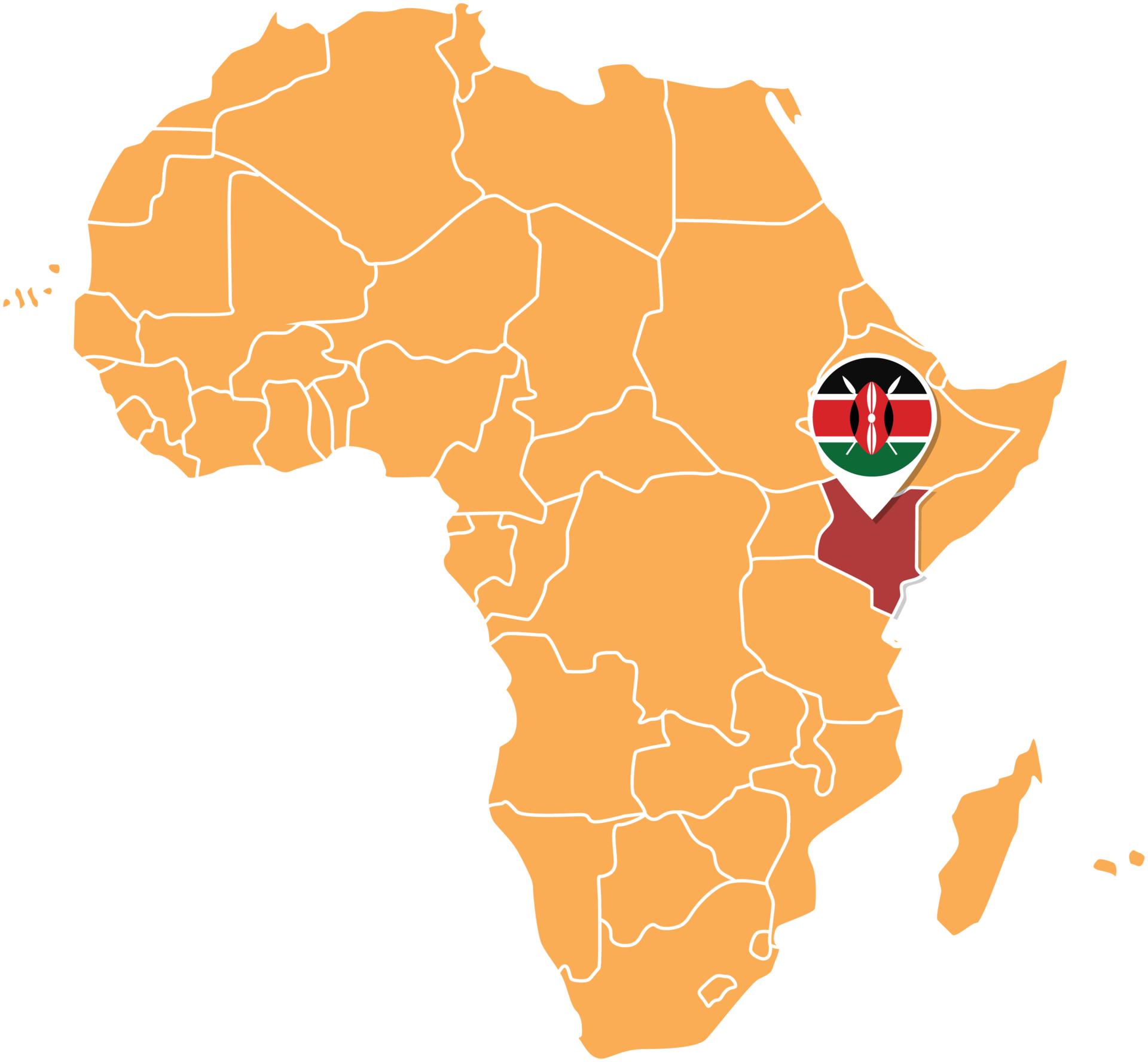
Panic spreads fast on social media whenever a hemorrhagic fever hits the headlines, but the reality on the ground in Nairobi is far more controlled than internet rumors suggest. Kenya just recorded its second Ebola death, a 65-year-old woman who was already isolated under strict medical supervision.
Public health officials are standing firm on one crucial detail: there remains zero evidence of community spread.
Every single confirmed infection traces directly back to the country's index case—a traveler who brought the virus across borders from the Democratic Republic of Congo earlier in October. When a rare outbreak like this pops up, public panic usually outruns the science. Let's look at what's actually happening, why containment efforts are holding, and what you need to know about the current situation.
How the Outbreak Reached Kenya
The situation didn't materialize out of thin air. The current regional health crisis stems from a severe outbreak in the Democratic Republic of Congo that began earlier in the year. Mobility across central and east Africa means pathogens can hitch a ride across borders within hours.
In early October, a Kenyan man returned home from the DRC through Uganda and tragically passed away in Nairobi. That single event triggered an immediate public health mobilization.
The Ministry of Health didn't wait for widespread transmission to act. Contact tracers fanned out across transport hubs, hospitals, and family networks. They tracked down more than 130 direct and indirect contacts, placing them into monitored quarantine.
When the second fatality was announced—a 65-year-old close family member of the first patient—she was already inside a designated isolation facility. She developed symptoms while under watch, meaning she never had the chance to expose the general public. That is containment working exactly as designed.
Tracing Every Link in the Chain
Epidemiology relies on breaking transmission chains. Right now, Kenya's tally sits at nine total confirmed cases, with seven patients actively receiving specialized care in isolation wards.
Among those infected are family members and healthcare workers who stood on the frontline caring for the initial patient before the diagnosis was confirmed. This pattern matches past viral flare-ups: the people at highest risk are those with close, physical contact with the sick.
Public health surveillance teams have screened over 700,000 travelers at various points of entry, including airports and major ground crossings. Border screening won't catch every asymptomatic carrier during their incubation window, but it creates a tight net that drastically reduces the odds of widespread importation.
Authorities confirmed that dozens of samples undergo testing daily, and secondary contacts who complete their 21-day quarantine window without symptoms are steadily being cleared to return home.
Why Community Spread Matters Most
Epidemiologists worry about two different scenarios during an outbreak: contained clusters versus unlinked community transmission.
A contained cluster means every single patient can be connected by a clear line of contact to a known source. Unlinked transmission means people are falling sick out of nowhere, and health teams have no idea where they caught the virus.
Right now, Kenya is entirely in the first category.
Every single positive test maps cleanly back to the initial importation event. Because the virus only spreads through direct contact with the bodily fluids of someone who is actively showing symptoms, a disciplined quarantine apparatus acts as an impenetrable wall. The virus simply runs out of new hosts to infect.
Moving Forward With Caution
Governments across the region are coordinating surveillance updates, and agencies like the World Health Organization continue to advise against shutting down trade or slapping heavy travel restrictions on affected nations. Blanket travel bans rarely stop pathogens; instead, they choke supply chains and make local reporting harder.
The upcoming days are critical as the first batch of quarantined contacts nears the end of the mandatory monitoring period. If they clear their final medical checks without incident, it will mark a major milestone in extinguishing this localized flare-up before it gains any further footing.
Stay informed through official ministerial updates, ignore unverified social media claims, and remember that swift contact tracing remains the ultimate shield against viral outbreaks.



