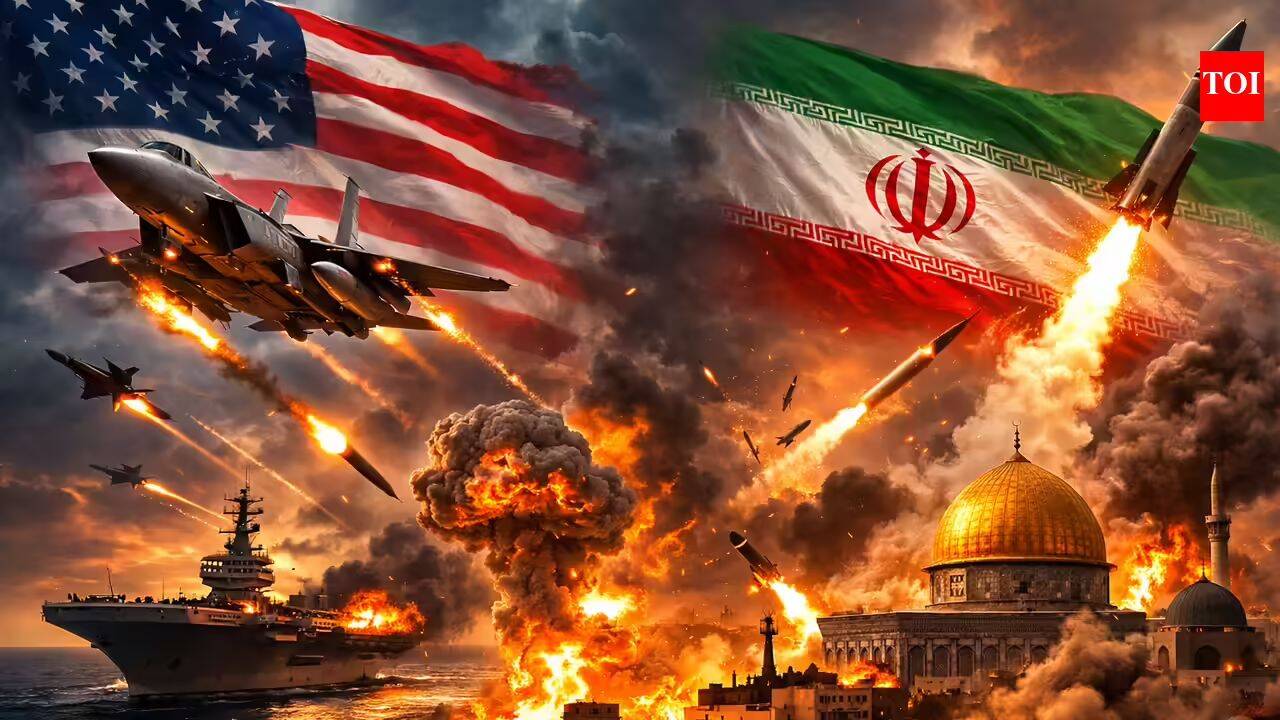
The Persian Gulf is boiling over again. When Iranian Parliament Speaker Mohammad Baqer Qalibaf fired off a warning that "Strike our assets and you get struck," global energy markets immediately felt the tremor. Oil prices shot up toward six-week highs as a direct result.
If you are wondering why this escalation matters beyond the political headlines, look at your fuel pump. The recent tit-for-tat violence between Washington and Tehran has effectively paralyzed the Strait of Hormuz. We aren't just talking about a minor maritime disagreement. This is a choke point carrying a massive share of the world's oil and liquefied natural gas, and traffic has dropped to a trickle of roughly ten commodity vessels a day.
How the Latest Clashes Escalated
The fuse was lit over the weekend when United States forces struck three Iranian oil tankers, including a critical hit near Kharg Island, which serves as Iran's primary oil export hub. Central Command confirmed the strikes followed hostile actions by the Islamic Revolutionary Guard Corps against US warships operating in the region.
Instead of backing down, Tehran doubled down. Senior security official Mohsen Rezaei announced plans to establish a strict maritime exclusion zone in the Gulf. Any commercial vessel entering this zone faces immediate placement on an Iranian sanctions list. Tehran is making its stance clear: normal navigation through the Strait of Hormuz will not resume until the US halts its naval blockades, threats, and military operations.
The Vulnerability of Regional Energy Infrastructure
Qalibaf dismissed remarks from US Defense Secretary Pete Hegseth, who had recently labeled Iran's tanker fleet as defenceless. In a public post, Qalibaf pointed out the harsh reality on the ground: the entire oil and gas production chain in the region is sprawling, accessible, and heavily exposed. American energy companies operating facilities and assets across those waters share that vulnerability.
This creates a high-stakes standoff. Operation Epic Fury, launched back in February under President Donald Trump to dismantle Iran's nuclear capabilities and break its regional posture, has not achieved its grand objectives. Tehran's clerical leadership remains firmly in power, finding creative ways to bypass sanctions and project power despite heavy economic strain.
What This Means for Global Markets
Markets hate uncertainty, and the Middle East is currently delivering it in excess. Higher fuel prices in the United States are already compounding domestic economic pressures. Meanwhile, regional producers like the United Arab Emirates find themselves caught in the crossfire of missile attacks and shipping disruptions.
Diplomatic channels remain completely frozen. Iran insists that any long-term settlement must include a full halt to Israeli military actions in Lebanon, tying the regional fronts together into one massive geopolitical knot.
Keep a close eye on shipping insurance rates, spot oil prices, and Central Command updates. The margin for error in the Gulf has vanished entirely, and the next miscalculation at sea could trigger consequences that ripple across the global economy overnight.