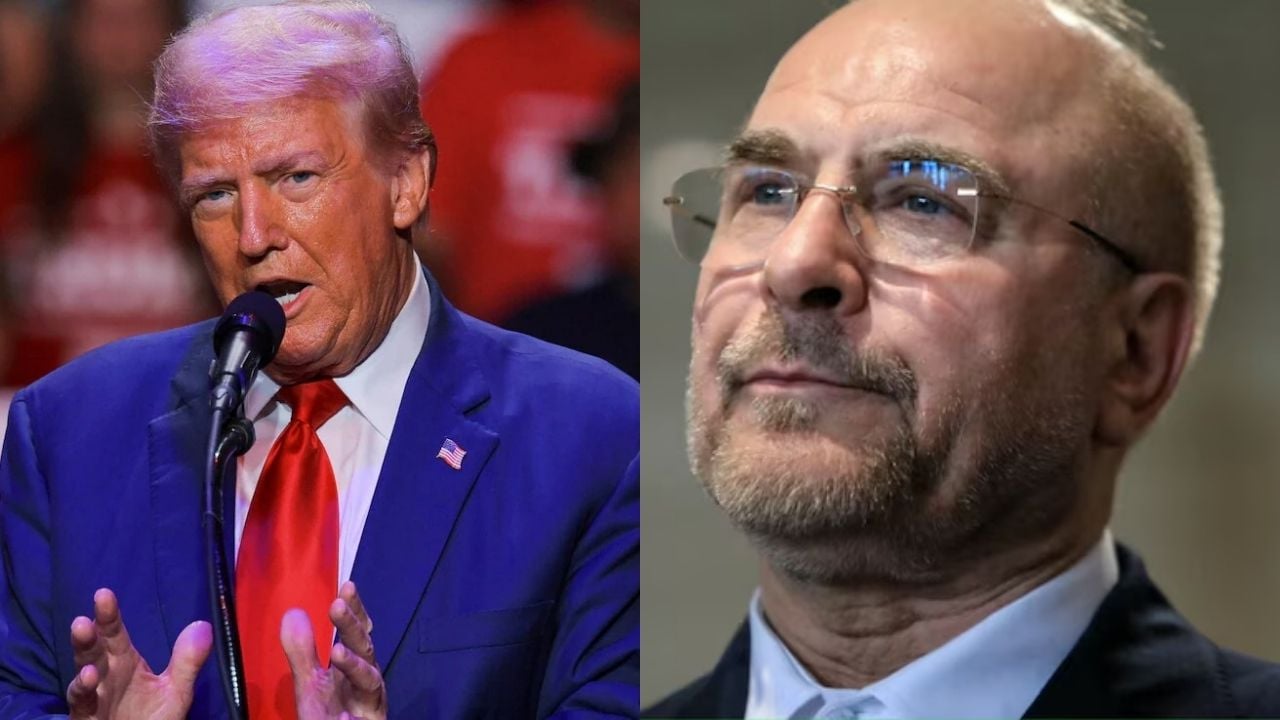
The illusion of peace in the Persian Gulf lasted just about a month. Anyone who truly believed the fragile April ceasefire between Washington and Tehran would hold wasn't paying attention to the fundamental realities of either regime. When Donald Trump stood on the sidelines of the NATO summit in Ankara and bluntly declared the deal over, he merely verbalized what the smoking hulls of commercial tankers in the Strait of Hormuz had already made obvious. But the real story isn't just Trump's fiery rhetoric or his dismissal of Iranian leadership as "scum". The real story lies in Iran's reciprocal action warning to the US, a defiant posture that reveals a profound structural shift in how Tehran views its ongoing confrontation with the West.
Iran's foreign ministry wasted no time firing back, explicitly stating that any American breach of commitments would be met with immediate, symmetric retaliation. More importantly, they flatly denied Trump’s claim that Tehran had begged for a continuation of peace talks. This isn't just standard diplomatic posturing. It's a calculated demonstration of strength aimed at both a domestic audience reeling from internal political transition and regional adversaries who thought a US naval blockade would force Iran to its knees.
If you want to understand where this dangerous escalation is heading, you have to look past the surface-level headlines. The collapse of this short-lived truce wasn't an accident. It was the predictable outcome of an unworkable framework.
The Anatomy of a Shattered Truce
The underlying foundation of the short-lived peace deal was inherently flawed from the start. Signed on the heels of intense kinetic exchanges earlier this year—which included heavy US strikes during Operation Epic Fury—the interim memorandum of understanding was less a peace treaty and more a tactical pause. It was designed to provide a 60-day window to negotiate a broader framework regarding Iran's nuclear program and the reopening of vital shipping lanes.
The calm didn't last. The geopolitical friction points are simply too volatile. Within weeks, lower-intensity conflict marred the agreement. The breaking point arrived when three Qatari and Saudi commercial tankers came under fire in the crucial waters of the Middle East. Washington blamed Iranian proxy forces or direct Islamic Revolutionary Guard Corps operations, launching immediate retaliatory strikes against missile and drone storage sites inside Iran.
Tehran didn't back down. They launched a wave of drones and missiles targeting US military installations and logistics hubs in neighboring Gulf states, including facilities in Bahrain, Kuwait, and Qatar. Trump’s declaration that the ceasefire is officially terminated wasn't a policy shift; it was an acknowledgment of the reality on the ground. The US military machine has reassumed a maximum alert posture, and the brief window for diplomacy has slammed shut.
Ghalibaf and the New Doctrine of Conditional Negotiation
To understand why Iran issued its strict reciprocal action warning to the US, you need to analyze the words of Mohammad Bagher Ghalibaf. As Iran’s top negotiator and a dominant figure in the political apparatus, Ghalibaf’s recent assertions offer an unvarnished look into Tehran's current strategic calculus. He explicitly warned that the war with the United States would never end with an Iranian surrender.
Ghalibaf went even further, revealing details of his direct communication with US Vice President JD Vance. He claimed he told Vance directly that Iran possesses absolutely zero trust in the American government. This statement underscores a core tenet of modern Iranian foreign policy. They view negotiations not as a path to mutual understanding, but as an extension of asymmetric warfare.
"From my point of view, those who can negotiate with America are those who are prepared for war," Ghalibaf remarked to state media.
This is an incredibly revealing philosophy. It tells us that Iran will only sit at a bargaining table if they believe their military deterrent is strong enough to project power simultaneously. They don't see diplomacy and military action as mutually exclusive options. They see them as deeply intertwined tools. The moment the US attempts to apply unilateral pressure through sanctions or naval deployments, Iran feels doctrinally compelled to strike back physically to maintain its bargaining leverage.
The Internal Ideological Split in Tehran
While Ghalibaf positions himself as a pragmatist willing to talk while holding a missile trigger, a much more radical faction is gaining traction within Iran's religious and political elite. This internal dynamic explains why the foreign ministry had to react so aggressively to Trump's rhetoric.
Consider the scathing rhetoric from Ali Khomeini, the grandson of the Islamic Republic’s founder. He publicly broke down the very concept of engaging with Washington, stating clearly that any talks are absolutely not peace negotiations. His commentary reveals the intense ideological pressure bearing down on Iranian negotiators.
According to this hardline faction, the foundational identity of the Islamic Republic is rooted entirely in non-compromise with Western arrogance. Ali Khomeini went so far as to label anyone seeking actual, permanent peace with America as a traitor. When the domestic political environment in Tehran treats the mere concept of friendship with the US as impure, the space for diplomatic compromise shrinks to zero.
This internal ideological policing forces Iranian officials to take the most hardline stance possible. Even if pragmatic elements within the government recognize the devastating economic toll of the renewed US naval blockade and international sanctions, they cannot afford to look weak. They must match every American threat with an equal or greater threat of their own, ensuring that the cycle of escalation remains locked in place.
The Battle for the Strait of Hormuz
Away from the political microphones, the true conflict is being waged in the narrow, congested waters of the Strait of Hormuz. Iran's military leadership has explicitly declared that the vital shipping lane will only reopen under strict Iranian arrangements and within their territorial waters. They've dismissed American ultimatums as empty threats coming from a nation thousands of miles away.
This isn't empty bragging. Iran recognizes that the global economy runs on the oil passing through that narrow chokepoint. By threatening to disrupt navigation or selectively target vessels linked to US allies, they hold a massive economic knife to the throat of the international community. The recent attacks on Saudi and Qatari tankers prove that Tehran is fully willing to use that knife if they feel cornered.
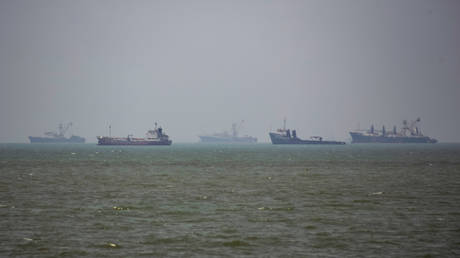
The US response has been an aggressive naval blockade intended to choke off Iran's remaining economic lifelines, particularly its illicit crude oil trade. For years, a shadowy network of unsanctioned vessels, frequently referred to by maritime security experts as the ghost armada, has kept the Iranian regime afloat by transporting oil to independent refiners in Asia. With the US military now aggressively targeting these vessels and ramping up pressure, Iran's economic survival is under its most severe strain yet. When a state faces economic strangulation, its military options become its primary options.
What This Means for Regional Security
The definitive end of the ceasefire agreement leaves the entire Middle East in a highly volatile holding pattern. The hope that regional brokers like Qatar or Pakistan could successfully mediate a durable, long-term framework has largely evaporated. While Qatari diplomats continue to shuttle between capitals in a desperate bid to prevent a broader regional conflagration, the underlying trust required for a true breakthrough is entirely missing.
We're likely looking at a prolonged period of high-intensity, tit-for-tat exchanges. The danger of this dynamic is the inherent risk of miscalculation. A single drone strike that results in mass American casualties, or a US missile that takes out a highly senior Iranian military command hub, could instantly transform this contained, leverage-driven conflict into an all-out war.
Furthermore, neighboring Gulf states are finding it impossible to remain neutral. Despite their efforts to maintain diplomatic channels, countries hosting US bases or operating joint early warning systems find themselves directly in the crosshairs of Iranian retaliatory strikes. The security environment for logistics, commercial shipping, and energy infrastructure across the region has fundamentally degraded.
Actionable Steps for Navigating the Gulf Security Crisis
If you operate a business with supply chains running through the Middle East, manage investments in the energy sector, or track global geopolitical risk, you cannot afford to take a wait-and-see approach. The collapse of the US-Iran ceasefire demands immediate tactical adjustments.
Implement Strict Maritime Risk Mitigation
If your commercial operations rely on transit through the Strait of Hormuz or the wider Persian Gulf, you must immediately review your maritime security protocols. Do not rely on the theoretical protection of an international naval presence to guarantee safe passage.
- Reroute high-value assets where feasible: Evaluate the financial viability of alternative logistics routes that bypass the immediate chokepoints of the Gulf altogether, even if it adds transit time.
- Enhance vessel tracking and communication: Ensure all operating vessels maintain real-time, encrypted tracking links with corporate security centers and regional maritime security coordinates.
- Update insurance and war-risk coverage: Review all active maritime policies to guarantee comprehensive coverage for hull damage, cargo loss, and operational disruptions stemming from state-sponsored kinetic activity.
Diversify Energy Supply Chains
The renewed volatility in the Gulf means that oil and gas infrastructure remains a primary target for asymmetric attacks. Energy markets will continue to experience sharp, sudden price spikes as headlines fluctuate.
- Hedge against sudden energy price shocks: Implement robust financial hedging strategies to protect your operations against sudden, violent spikes in global crude and LNG prices.
- Secure alternative sourcing contracts: Shift a portion of your procurement focus to energy producers operating outside the immediate geographic reach of Middle Eastern geopolitical friction points.
- Build localized inventory buffers: Increase your physical reserves of critical fuels and petroleum-based raw materials to insulate your core business operations from temporary shipping disruptions.
Restructure Geopolitical Risk Assessments
Stop evaluating the US-Iran relationship through the lens of traditional diplomacy. The old frameworks of negotiation are dead, replaced by a brutal doctrine where talking and shooting happen simultaneously.
- Scrap expectations of a permanent diplomatic breakthrough: Base all your corporate and financial planning on a baseline reality of permanent tension and periodic kinetic flare-ups.
- Monitor internal Iranian political shifts: Pay close attention to the rising influence of ultra-hardline factions within Tehran, as their ascendancy directly correlates with an increased likelihood of aggressive military posturing.
- Track specific escalation triggers: Establish internal alert mechanisms tied to tangible events on the ground, such as strikes on regional early warning systems, changes in naval blockade intensity, or disruptions to major digital infrastructure.
The strategic landscape has shifted completely. The collapse of the ceasefire isn't a temporary setback; it’s the definitive closing of a diplomatic chapter. Expecting a return to the negotiating table without further military conflict is an exercise in wishful thinking. Iran’s reciprocal action warning proves they're fully prepared for a long, grinding confrontation, and Washington appears more than willing to oblige them. Plan your operations around the reality of conflict, because the era of easy truces is officially over.