Numbers lose their meaning when the thermometer hits 40 degrees Celsius. You stare at the digital readout, sweat stinging your eyes, and realize a simple digit can't capture the sheer misery of the air. That exact realization forced the Japan Meteorological Agency to drop a brand-new official term into its forecasts: kokushobi, translating roughly to a "cruelly hot day."
Forget the standard weather jargon you're used to. This isn't just about a warm afternoon. It's an official alarm bell meant to snap people out of complacency when temperatures cross the 40°C threshold. For another perspective, read: this related article.
The Shift From Rare Spikes to Yearly Reality
To understand why a country famous for precision naming felt forced to coin a new word, look at the timeline. Between the start of reliable records in 1872 and the year 2017, temperatures hitting 40 degrees Celsius happened a mere three times across the entire nation.
That rare anomaly changed completely. Japan has recorded 40-degree spikes every single year since 2018. The breaking point arrived in August 2025, when Isesaki City in Gunma Prefecture scorched under a historic national peak of 41.8°C. Further reporting regarding this has been published by The Guardian.
When nearly half a million citizens participated in a public survey to find a label heavy enough to describe these conditions, "kokushobi" won by a landslide. The kanji character for koku means harsh or cruel. Officials realized that telling citizens "it's 40 degrees today" doesn't trigger the immediate survival instinct that hearing "it's a cruelly hot day" does.
How Daily Life Breaks Down Under Kokushobi
When the air turns into an invisible wall of moisture and heat, normal routines collapse. Hospitals fill up with heatstroke victims at rates that strain emergency response teams. Last year saw over 100,000 people requiring medical assistance for heat-related illnesses between May and September, setting a grim record since tracking began.
It isn't just humans feeling the pressure. Zoos and wildlife facilities watch animals struggle against the rising baseline temperatures. High-profile cases of lions and other zoo residents wilting under the unrelenting glare highlight how urban heat islands trap stifling energy.
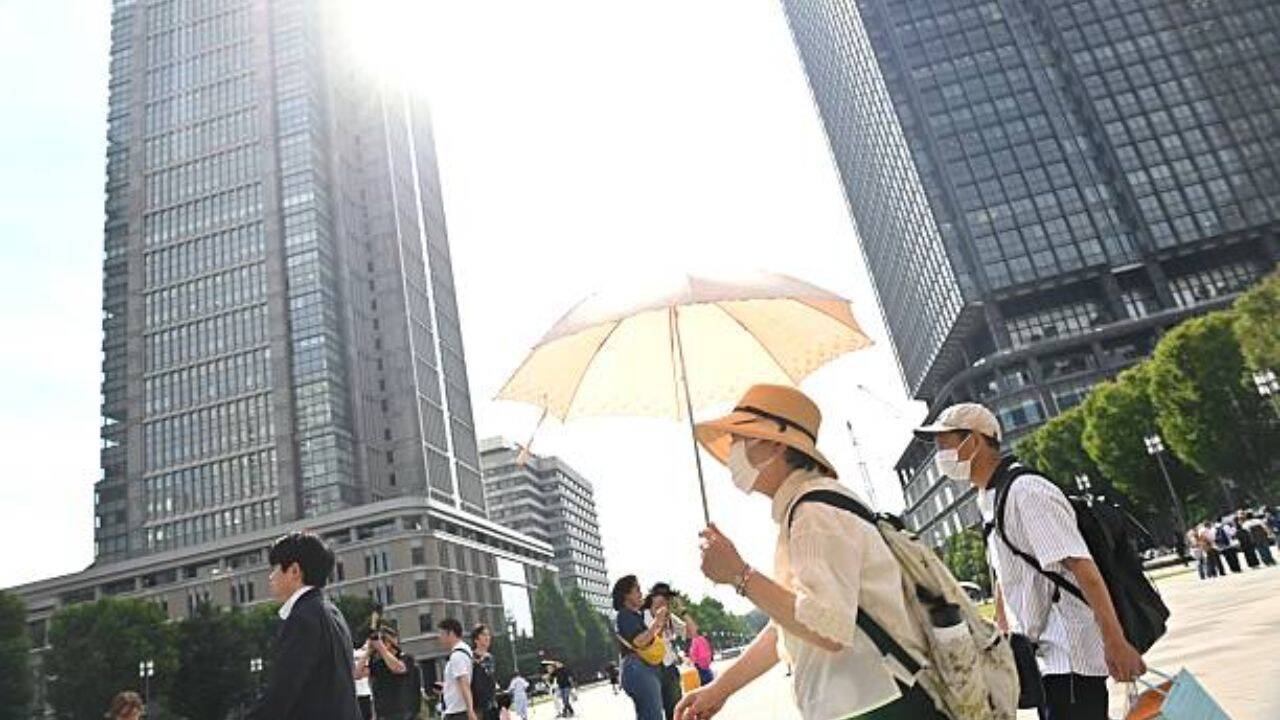
Urban centers amplify the danger through concrete and asphalt retention. Cities like Tokyo experience urban heat island effects that push local feels-like temperatures even higher, turning commutes into physical endurance tests.
Adapting Corporate Culture and Workplaces
Japan's rigid corporate structures are bending out of sheer necessity. For decades, the buttoned-down office look meant heavy suits, long sleeves, and ties, even during sweaty summers. Now, companies are tossing those rules out the window.
The government's long-running "Cool Biz" campaign has evolved rapidly. Workplaces across the country now encourage employees to wear shorts and breathable fabrics to the office. Over 300 major corporations distribute specialized cooling jackets embedded with battery-operated fans to staff working outdoors.
Construction firms and heavy industries are getting creative too. Some companies utilize portable container-style cooling rooms chilled to minus five degrees during worker breaks, allowing bodies to drop their internal temperature rapidly before heading back out into the sun.
What This Means Moving Forward
Extreme heat is no longer a temporary summer inconvenience. It represents a permanent structural shift in how densely populated regions must operate.
If you're traveling to or living in regions experiencing these climate pressures, treating standard safety measures as optional is a fast track to the hospital. Hydration habits, wearable personal cooling gear, and schedule modifications during peak afternoon hours are mandatory survival tools.
Stop treating severe heat waves as a passing phase. The language has changed because the reality already did. Stay inside, keep cool, and take the warning seriously.