Elections rarely turn on subtle policy tweaks. They turn on shockwaves.
When the dust settled on the 2026 midterms, Republicans woke up to a brutal map. Democrats flipped control of the Senate, captured key battlegrounds, and shattered GOP hopes of holding legislative momentum. While party insiders scrambled to point fingers at field operations or economic messaging, Vice President JD Vance cut straight through the noise with a blunt assessment on social media.
The reason we lost is the war.
It is a striking admission from a sitting administration official. Instead of hiding behind talking points about ground game mechanics or voter registration numbers, Vance laid the blame squarely on foreign intervention. Turnout wasn't actually the core crisis. Millions of registered conservatives and Trump supporters showed up at the ballot boxes, but they chose to punch tickets for Democrats instead.
If you want to understand how a dominant political coalition cracks, you have to look at what happens when foreign policy directly collides with domestic kitchen-table anxieties.
Decoding the Defection
For months, mainstream strategists obsessed over turnout metrics. They tracked early voting, modeled demographic shifts, and argued that a strong get-out-the-vote push would save the majority. But numbers can lie when voters change their minds in the privacy of the voting booth.
Vance pointed to polling data gathered before the election that revealed a massive fracture among traditional base voters. Four major grievances were driving loyalists away: the conflict with Iran, soaring living costs, frustration over America First commitments, and Washington’s handling of ties with Israel.
When voters who backed the ticket in 2024 decide to split their loyalties or cross party lines, it isn't an accident. It's a clear message.
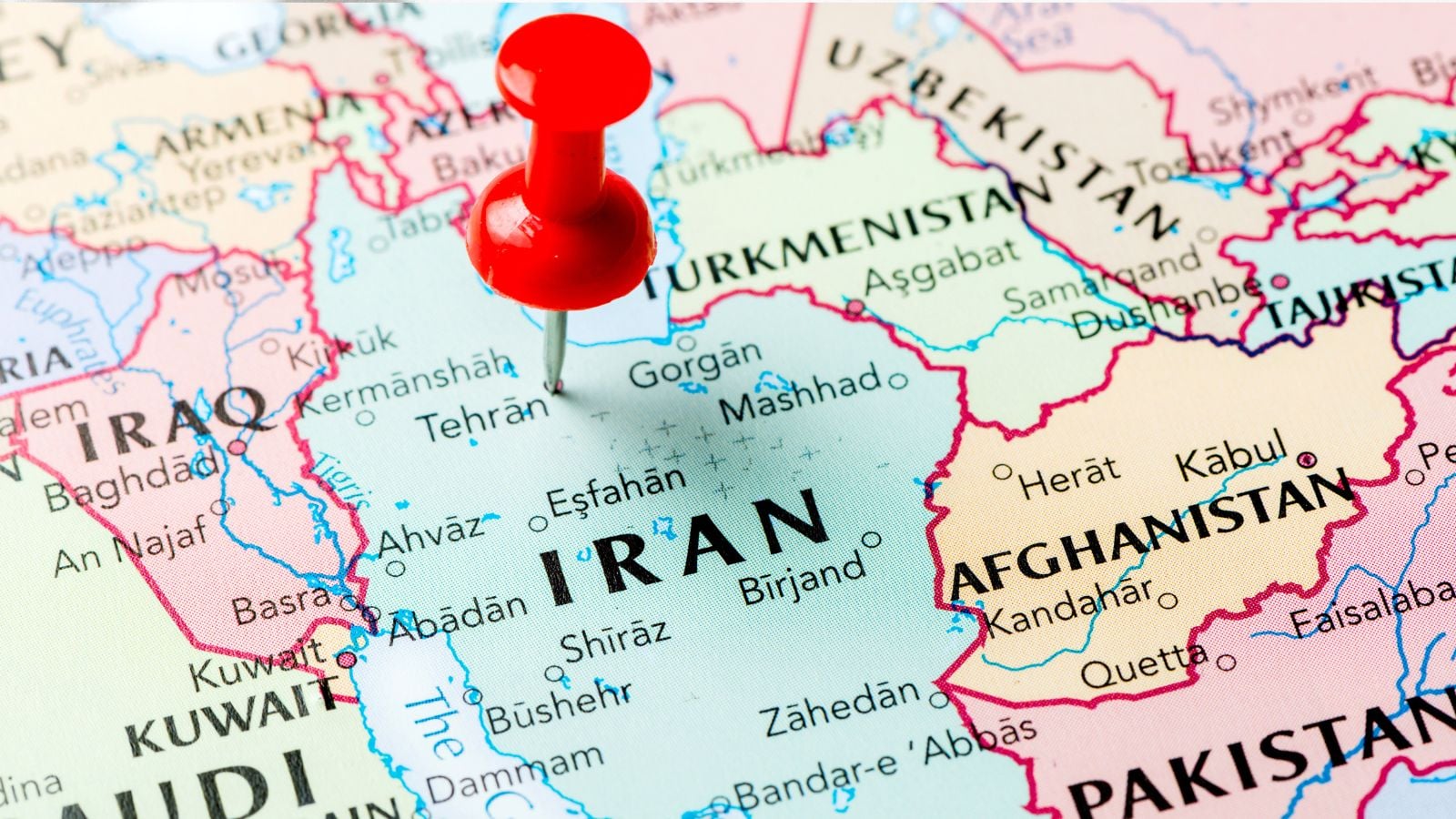
The administration's military campaign in the Strait of Hormuz changed the political weather. While the White House defended the operation as a vital security necessity to block Tehran from acquiring nuclear capabilities, the human and financial toll hit home fast. Rising gas prices, inflation spikes, and the stark reality of casualties among service members alienated the working-class base that powers modern populism.
The Brutal Math of Turnout vs. Trust
Let's look at the numbers. In states like Florida, the registered electorate leaned heavily Republican, matching close to the favorable margins seen during the previous presidential cycle. On paper, the machine was working.
Yet, data analysts warned behind closed doors that high turnout did not guarantee loyalty. Our voters were showing up, but they weren't voting for us. That distinction separates amateur pollsters from seasoned strategists.
When you build a populist coalition based on ending foreign entanglements and prioritizing domestic workers, starting a military conflict breaks the core social contract. Voters didn't stay home out of apathy. They turned out specifically to voice their anger.
President Trump argued during the campaign that the economic fallout was temporary and that preventing a nuclear Iran would ultimately matter more to history than a congressional election. But voters living with high fuel prices and a growing body count weren't thinking about the history books. They were thinking about grocery bills and broken promises.
Where the GOP Goes From Here
The internal finger-pointing within the Republican party is already deafening. Some veterans blame poor communication on economic policy. Others argue that the final weeks of the campaign lacked a coherent message on inflation.
Vance dismissed those excuses as minor symptoms of a much deeper wound. You can polish your economic pitch all you want, but if your voters believe you abandoned the core principles that brought you to power, they will punish you at the polls.
The political fallout gives Democrats firm control over both chambers of Congress. This institutional shift hands the opposition immense power to block presidential nominees, launch sweeping investigations, and grind the legislative agenda to a complete halt.
Honesty is rare in Washington. Vance acknowledged that defending the war means arguing that losing the Senate for the next six years was an acceptable price to pay. Agree or disagree with that calculus, it forces the party to confront reality.
Stop pretending it was a minor messaging error. Stop blaming local ground games. The voters sent a loud, unmistakable signal, and pretending otherwise guarantees future defeats.
Take that anger and demand leadership that listens to the base. Real political survival requires facing hard truths, even when they come wrapped in a crushing electoral defeat.