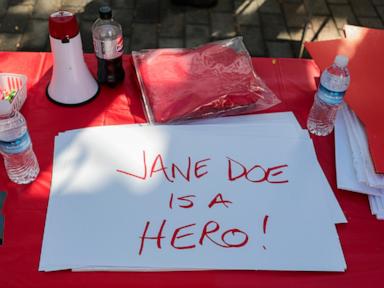
When a court case spills over into online harassment, the legal system faces a brutal reality test. The high-profile civil lawsuit involving a former Cornell University student and members of the Chi Phi fraternity just hit that exact threshold.
Judge Phaedra Perry-Bond issued a clear directive regarding the plaintiff's identity. Jane Doe, who filed a civil lawsuit accusing seven men of gang-raping her at a fraternity house in 2024, has been granted permission to proceed under her pseudonym. But the headline isn't just about privacy. It's about a stern federal warning directed at online agitators who turned a sensitive judicial proceeding into a digital witch hunt.
If you've been following the media frenzy, you know the stakes are high. Let's break down what this ruling actually means, why it matters for survivors stepping forward, and how internet mobs are complicating modern justice.
Why Pseudonyms Exist in High-Stakes Sexual Assault Cases
Anonymity in federal or civil court isn't handed out lightly. American jurisprudence prizes open trials and public accountability. Defendants have a constitutional right to face their accusers.
However, courts routinely balance transparency against extreme safety risks. In this instance, Judge Perry-Bond cited widespread reports of malicious actor behavior. Online mobs made it their mission to unmask the plaintiff. Her address leaked. Her family home faced dangerous swatting incidents, forcing her to tape paper over windows to deter random stalkers.
When digital vigilantism crosses into physical endangerment, the courtroom has to adapt. The judge's order shields court filings from exposing Jane Doe's real name or private data. At the same time, the legal framework allows the defendants to privately share necessary information to build their defense. All seven accused men have denied the allegations, maintaining their innocence as the litigation proceeds.
The Federal Warning Against Cyberstalking and Doxxing
Judges rarely issue explicit threats from the bench, but Perry-Bond made an exception. Anyone engaging in cyberstalking, harassment, or direct threats against Jane Doe, the defendants, or their respective legal counsels faces potential federal criminal prosecution.
Cross-state online harassment is a federal crime. Too many internet commentators forget that online anonymity on social media platforms doesn't grant immunity from real-world laws. When keyboard warriors coordinate doxxing campaigns, text messages with gun emojis, or false emergency calls to a family home, they cross a bright legal line.
The ruling even opened the door to extend similar privacy protections to the defendants and potential witnesses if requested. High-profile campus cases routinely attract toxic social media polarization where nuance gets completely crushed. By warning both sides against harassment, the court is trying to keep the focus on legal arguments rather than intimidation tactics.
What Happens Next in the Cornell Litigation
A civil lawsuit is just one front in this multi-layered battle. New York Attorney General Letitia James launched an independent state investigation into the incident. Meanwhile, Cornell University faces immense internal pressure regarding campus safety protocols, fraternity oversight, and accountability measures.
The legal teams will continue exchanging discovery under strict confidentiality orders. Neither the judge's anonymity ruling nor her warning addresses the ultimate merits of the sexual assault allegations. That burden belongs in the courtroom, weighed through evidence, testimony, and due process.
For anyone watching from the outside, the takeaway is simple. Online intimidation campaigns do not influence court outcomes—they only invite federal scrutiny. Let the legal process work without turning a courtroom into a social media battlefield.



