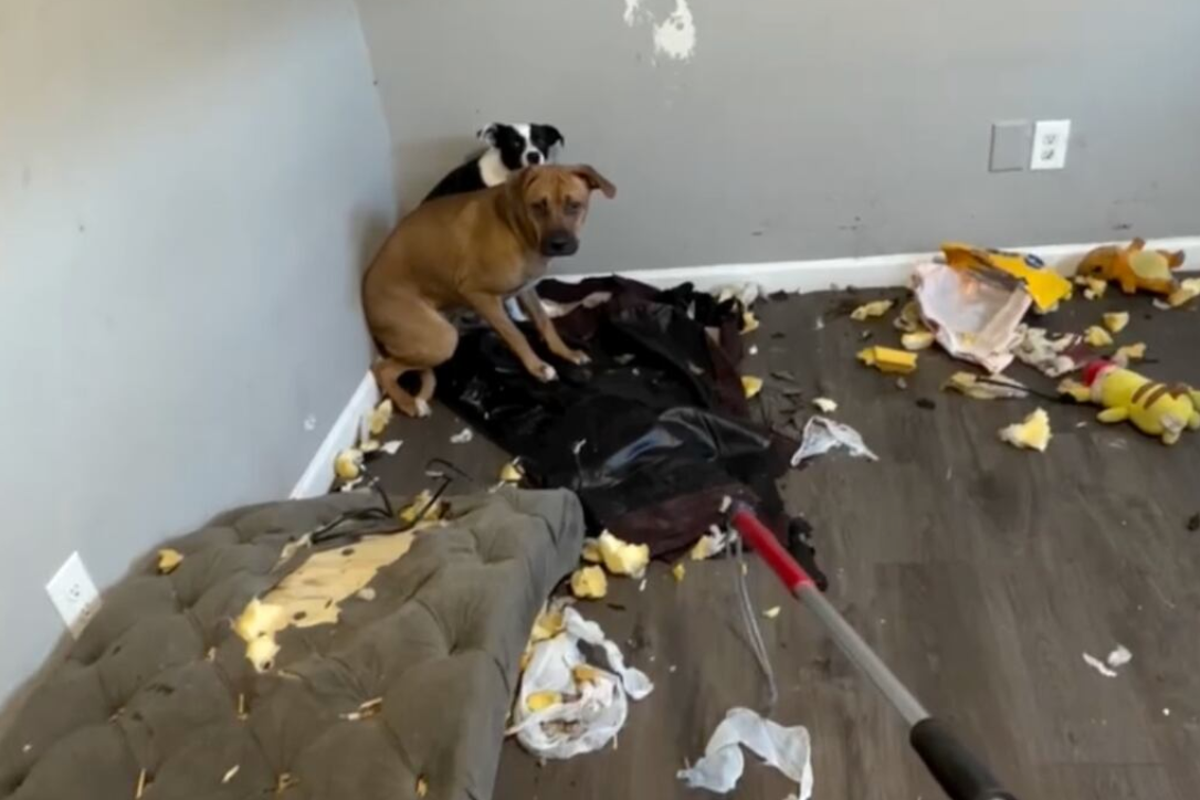
When news broke that Immigration and Customs Enforcement agents left two pets locked in an empty apartment for an entire week without a single drop of water or a crumb of food, nobody was shocked. It sounds like a bad movie script. ICE agents sweep into an apartment, detain the undocumented owners, slam the door, and just walk away. They left a pair of dogs behind to starve. What makes this story hit a raw nerve nationwide isn't just the sheer bureaucratic cruelty of the act. It's the fact that it happened under the watch of former Homeland Security Secretary Kristi Noem.
People aren't just angry about policy anymore. They're looking at a pattern. When an agency handles a raid with this level of disregard for living creatures, it reflects the leadership at the top. For Noem, whose political brand became permanently tangled with animal cruelty after she admitted to executing her own puppy, this latest report feels like the ultimate, horrific poetry.
The Cost of Blind Enforcement
According to the recent reports detailing the incident, the two dogs were trapped inside a locked apartment after federal agents detained their owners during an immigration sweep. For seven days, the animals had no access to nourishment. They survived only by luck until neighbors heard their cries and alerted local advocates.
When you look at how federal raids are supposed to work, there are protocol lists for property and dependents. If children are present, social services get called. If animals are present, local animal control or a designated shelter is supposed to take custody. In this case, those steps didn't happen. Agents didn't just forget a detail; they locked the door and moved on to the next target.
This isn't an isolated case of a few bad apples making a mistake. It is the direct result of an enforcement culture that values speed and raw numbers over basic human decency, let alone animal welfare. Under Noem's brief, chaotic run leading the Department of Homeland Security, the agency pushed hard-line deportation tactics to their absolute limits. The mandate from the top was simple: clear the numbers. When that is the only metric that matters, everything else gets abandoned. Even two defenseless pets locked in a kitchen.
A Reputation Built on Backyard Executions
You can't talk about Kristi Noem and dogs without talking about Cricket. Long before she took over DHS in early 2025, Noem wrote a memoir called No Going Back. Instead of the usual polished political fluff, she included a bizarre story about taking her 14-month-old wirehair pointer, Cricket, to a gravel pit and shooting it in the head because the dog was "untrainable" and had ruined a pheasant hunt.
She defended the action as a tough farm choice. The public saw it as a senseless act of violence against a puppy. That single admission completely derailed her chances of becoming Donald Trump's vice presidential pick in 2024. It turned her into a national punchline and a symbol of casual cruelty.
When Trump later appointed her to head DHS anyway, animal rights advocates warned that her lack of empathy would bleed into federal policy. This apartment raid proved them entirely right. The culture of an organization always mirrors its boss. If the secretary thinks a puppy deserves a bullet for being inconvenient, it's no wonder her field agents think two family dogs deserve to starve to death in a dark apartment while their owners are shipped to a detention facility.
What Happens to the Animals Left Behind
This scandal exposes a massive blind spot in federal immigration enforcement that standard news coverage completely misses. What actually happens to the lives disrupted in the wake of a sudden deportation raid?
Local shelters and humane societies are usually the ones left to pick up the pieces, completely unfunded by the federal government. When ICE detains someone, the legal system treats the migrant's property as an afterthought. Pets fall legally into the category of property. If an agent decides to ignore them, there is very little immediate recourse.
Local rescue groups in these communities face a massive hurdle. They have to jump through legal hoops just to enter a locked apartment to save a starving animal because federal operations don't coordinate with local municipal shelters. It creates a logistical nightmare where animals suffer for days before anyone even realizes they are trapped inside.
- The Protocol Gap: Federal guidelines don't mandate automatic notification of local animal control during a residential arrest.
- The Liability Shield: ICE agents operate under federal immunity, meaning individual officers rarely face local animal cruelty charges for neglect during an operation.
- The Community Burden: Non-profit rescues bear 100% of the medical and rehabilitation costs for animals recovered from these sites.
The Structural Failure of Operation Metro Surge
To understand why this happened now, you have to look at the broader context of what DHS was doing under Noem's direction. The agency was executing aggressive, high-pressure sweeps across major metropolitan areas, including controversial operations in cities like Minneapolis.
The pressure to perform was immense. Agents were working under strict quotas and fast timelines, fueled by massive signing bonuses and promises of rapid enforcement. When an organization operates at that breakneck speed with zero accountability for collateral damage, disasters happen. In Minneapolis, the aggression led to the tragic shooting deaths of two U.S. citizens during operations, which ultimately forced Noem out of her position in March 2026.
The abandonment of these dogs is a smaller window into that exact same systemic failure. The pressure to round up bodies meant that checking the apartment for living creatures wasn't deemed worth the time. It shows an agency completely unmoored from basic ethics.
Setting a New Standard for Accountability
Fixing this requires more than just firing a few managers or issuing a generic press release expressing regret. It requires an immediate overhaul of federal arrest protocols.
First, federal immigration operations must be legally required to log the presence of any domestic animals during a residential sweep. That log should trigger an immediate, automated notification to local animal welfare agencies. If an agent fails to report a pet left in a secured zone, it needs to carry the same disciplinary weight as leaving behind a child or an unexploded device.
Second, the sovereign immunity that protects federal agents from local animal abuse statutes needs a serious reality check. If a local citizen left two dogs to starve in an apartment for a week, they would be facing felony animal cruelty charges and prison time. Federal law enforcement officers should not get a pass just because they wear a badge.
Ultimately, this scandal reminds us that policy is never just about numbers on a spreadsheet or political talking points on a podcast. It's about the real, breathing lives that get caught in the machinery of federal enforcement. If we want to call ourselves a civilized society, our laws have to protect the most vulnerable among us—whether they have two legs or four.
The era of looking the other way while federal agencies operate above the law has to end. True border security and immigration enforcement don't require shedding our basic humanity along the way.