A quiet walk by a Washington landmark turned into an FBI database entry for a local veterinarian.
Dr. Sophie Dennison-Gibby thought she was picking up loose trash and floating debris. Instead, federal authorities slapped her with a criminal misdemeanor charge. She became a central figure in a high-profile political firestorm over the Lincoln Memorial Reflecting Pool.
The charges against Dennison-Gibby and other defendants have since collapsed. But the damage to personal reputations leaves a bitter trail. Her attorney, Jamison Koehler, described the entire ordeal as deeply humiliating. She spent her time worrying about local wildlife, only to find herself squared off against the full weight of the federal government.
The Algae, the Peeling Paint, and a Million-Dollar Mistake
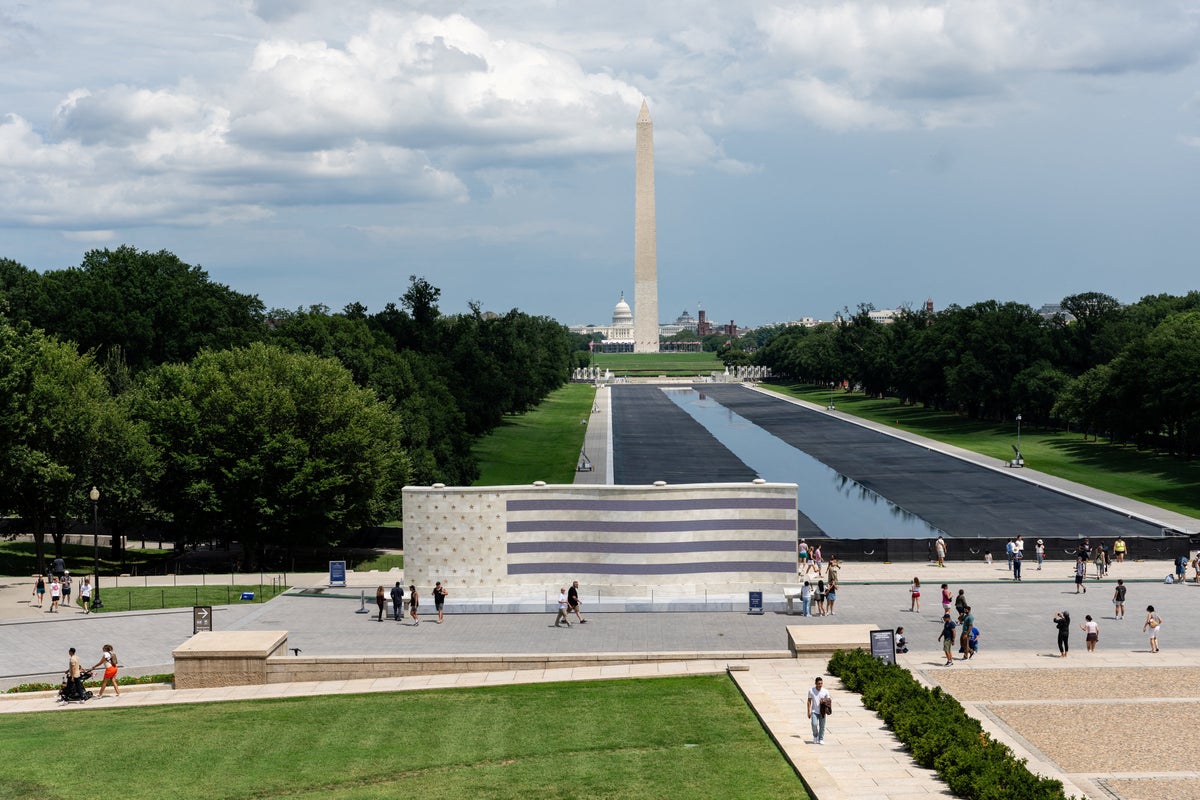
The controversy started long before anyone was handcuffed. Ahead of the nation's 250th anniversary celebration, a multi-million-dollar renovation project applied a fresh blue coating to the bottom of the iconic Reflecting Pool.
It failed almost immediately.
Visitors noticed ugly algae blooms and large sections of the sealant peeling away from the concrete. Instead of admitting to sub-par workmanship or installation errors, authorities pointed fingers at tourists and locals. The administration demanded strict enforcement. Law enforcement officers started arresting anyone caught touching the loose material.
When Dennison-Gibby walked by the pool on June 20, she spotted small pieces of the pool liner floating in the water. She scooped them out, along with actual trash. Park police officers moved in instantly. They claimed the floating fragments found inside her purse constituted destruction of government property.
When Narratives Collide With Exculpatory Evidence
The government wanted a simple story of vandalism. They wanted culprits to blame for a botched construction job.
Reality kept getting in the way. Defense attorneys quickly pointed out massive flaws in the prosecution's logic. Koehler noted that police conveniently ignored the actual litter found in Dennison-Gibby's purse. That garbage wrecked the clean narrative that she was aggressively tearing apart government property.
Witnesses captured the interactions on video. Legal teams tried handing over exculpatory evidence, but prosecutors initially showed zero interest. High-ranking officials publicly fumed, and the president demanded harsh punishments for anyone accused of messing with national monuments.
For weeks, ordinary people caught up in the sweep faced severe pretrial restrictions. They dealt with stay-away orders, court dates, and the lingering dread of a federal trial. Dennison-Gibby was fingerprinted, photographed, and logged into the FBI database over a few flakes of peeling paint.
The Fallout and Dismissals
The house of cards fell when a high-profile felony case involving former Olympic canoeist David Hearn forced the U.S. Attorney's office to take a hard look at the evidence.
Internal documents revealed a stunning admission. The Department of the Interior failed to be forthcoming with crucial information. Expert evaluations showed the pool was never vandalized by these individuals at all. The material was simply peeling due to bad installation.
Federal prosecutors quietly filed motions to dismiss all misdemeanor charges against Dennison-Gibby, Justin Carreno, and Cameron Thiers.
The charges are gone, but the emotional toll remains. Being publicly labeled a vandal by national political figures leaves a mark that a one-page dismissal order cannot instantly erase. Public spaces belong to the public, but relying on aggressive criminal charges to cover up infrastructure failures creates a dangerous trap for innocent bystanders.