When people talk about massive AI windfalls, they almost always picture Sand Hill Road or San Francisco boardrooms. Not Beverly Hills living rooms.
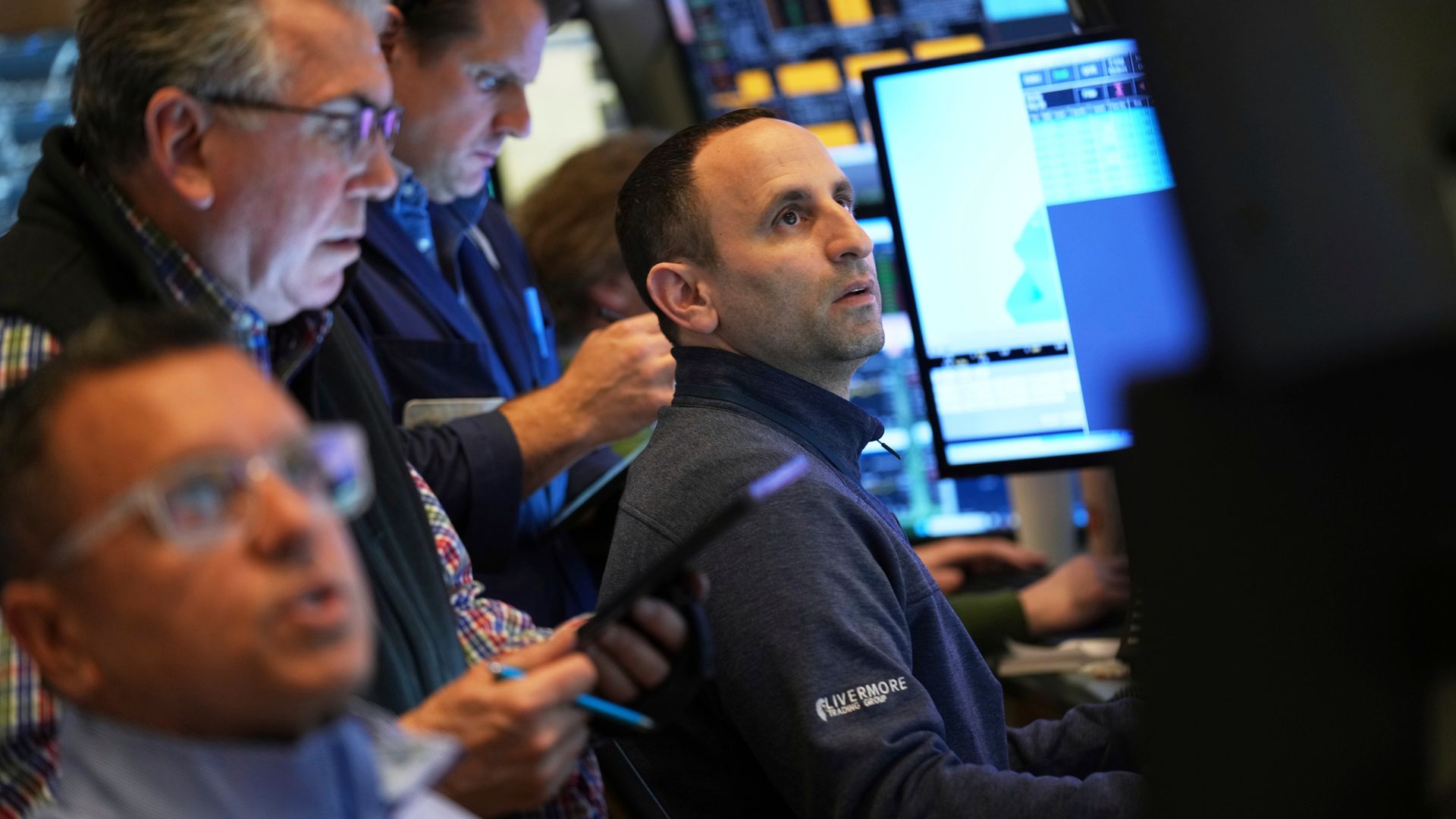
Yet when Anthropic hit the Nasdaq this week under the ticker ANT at $83 a share—raising roughly $81.3 billion in the largest initial public offering ever recorded, topping SpaceX's June 2026 run—Los Angeles money was right in the middle of the action. Shares popped past $111 early Thursday before settling at $97.17 by the closing bell, valuing the company at roughly $1.5 trillion out of the gate and pushing past $1.75 trillion by close. For investors tied to L.A., that kind of jump isn't a nice bonus. It's generational wealth landing in a single trading session.
Honestly, it surprises a lot of traditional finance folks that entertainment-adjacent dealmakers from L.A. ended up holding high-conviction AI equity at this scale. People still treat Los Angeles like a sidekick to Silicon Valley when it comes to deep tech. That view is outdated. Over the past decade, L.A. funds have quietly moved from celebrity cameos and consumer apps straight into capital-intensive frontier tech.
How Los Angeles Investors Got a Piece of Anthropic
You don't stumble into a multibillion-dollar position in a frontier AI lab by accident. Sound Ventures, the venture firm co-founded by Guy Oseary and Ashton Kutcher, started building its Anthropic position back in spring 2023 with an initial $35 million bet in the Series C round. That move followed a meeting with Anthropic CEO Dario Amodei at Oseary's Beverly Hills home.
Over subsequent rounds, Sound Ventures scaled its total commitment to roughly $435 million, landing an estimated stake around half a percent. Depending on how you price the company's debut and private-market benchmarks—with some reporting estimates placing that position around $7 billion—the return on invested capital is staggering. Keep in mind that Kutcher stepped back from day-to-day running of Sound Ventures in 2026 to focus on a new venture alongside Morgan Beller centered on deep tech, energy, and infrastructure, while Oseary and general partner Effie Epstein continued guiding Sound Ventures' growth push.
Here's a detail plenty of casual readers miss: a venture fund's headline stake doesn't belong to one celebrity partner personally. Sound Ventures manages capital for outside limited partners and shares economics across the firm. Even so, having an L.A.-based firm write nine-figure checks into one of the most consequential AI companies on earth shows how blurred the map between Hollywood capital and Silicon Valley engineering has become.
There's also a broader California connection worth watching. Institutional allocators and state-level pension ecosystems have spent years sorting through exposure to top private AI names—sometimes indirectly through venture funds or secondary transactions—before public trading sets a liquid market price. Public listings change the math fast because paper marks turn into real, tradable shares subject to lockups, taxes, and daily market swings.
Why This Record IPO Is Different From Every Other Listing
Anthropic isn't selling a trendy gadget or a light software tool. It builds Claude, a family of frontier models used heavily by businesses for coding, document analysis, and complex workflows. According to public reporting on its SEC filings, revenue surged from $1.2 billion in the first half of 2025 to $16.3 billion in the first half of 2026, reaching $17.0 billion in the third quarter of 2026 alone.
That revenue rocket ship explains why demand was so intense—reportedly six times oversubscribed, prompting Anthropic to expand the offering to 980 million shares above its initial $70 to $78 range. At the same time, if you only glance at net income on paper, the numbers look wild. Regulatory filings show massive non-cash revaluations tied to convertible notes and SAFEs, pushing reported net losses into the tens of billions over recent periods even while operating revenue climbs sharply.
If you're an investor reading those filings, don't confuse accounting revaluations with day-to-day cash burn. Non-cash mark-to-market swings on financial instruments can distort headline net loss in a way that trips up people who skim the bottom line. What actually matters long term is gross margin discipline, enterprise retention, and how efficiently Anthropic turns massive compute spending into durable cash flow.
And the compute bills are no joke. Public reporting around the offering points to roughly $900 billion to over $1 trillion in long-term infrastructure and compute commitments ahead. Cloud heavyweights like Amazon and Google aren't just strategic backers holding major stakes (roughly 28% combined after IPO mechanics); they're also deeply entangled in the infrastructure buildout itself.
Contradictions Inside the Trillion-Dollar AI Boom
One of the sharpest tensions around this IPO sits right at Anthropic's founding story. Born in 2021 when seven researchers left OpenAI, the company structured itself around safety and public benefit goals. Co-founders including Dario and Daniela Amodei—whose individual net worths jumped into the $20-billion-plus range on the back of the listing—have publicly committed 80% of their equity voluntarily to philanthropy, alongside an employee donation match and a public benefit fund allocation.
Critics look at a $1.5-trillion-plus public debut and see an obvious irony: lofty talk about shared AI benefits alongside extreme wealth concentration at the top. Supporters argue that binding public-benefit governance and large philanthropic pledges into a massive public company creates more leverage and transparency than staying private forever. Both sides have a point. You can admire big charitable pledges and still question how power and wealth concentrate during a historic tech boom.
Another trap investors fall into right after a blockbuster debut is assuming opening-day fireworks predict a straight line up. SpaceX set the prior IPO proceeds record in June 2026 at roughly $75 billion and hit huge valuations, yet later saw sharp pullbacks from peak levels as markets repriced risk. Frontier AI faces fierce competition from OpenAI, Google, Meta, xAI/SpaceX's Grok, and lower-cost rivals globally. Commoditization pressure is real, especially as models get faster and cheaper to run.
Practical Next Steps If You're Following the ANT Listing
If you're watching Anthropic as an investor, founder, or market observer, don't chase green candles on day one just because the ticker is trending.
- Read the actual S-1 and final prospectus risk factors. Pay close attention to share lockup schedules, voting structures, related-party cloud agreements, and non-cash derivative adjustments before making any allocation decision.
- Separate hype from unit economics. Track quarterly revenue growth alongside compute costs, customer concentration, and free cash flow rather than relying on social media valuation hot takes.
- Watch how early L.A. and California funds deploy profits. When a fund turns a position like Anthropic into a massive win, its next fund strategy—whether shifting toward energy, data centers, or early-stage software—often signals where smart capital sees the next bottleneck.
- Avoid over-concentrating in a single AI theme. Even if you believe Claude wins enterprise market share, putting too much of your portfolio into one high-beta AI stock leaves you exposed to sector-wide drawdowns and multiple compression.
Big IPOs create loud headlines and instant fortunes. Keeping a cool head once the opening bell fades is what separates disciplined investors from everyone else.