Signing a multibillion-dollar defense contract doesn't mean you'll actually get the weapons. Malaysia just learned this lesson the hard way. When Norway abruptly pulled the plug on a major naval missile agreement, it left the Royal Malaysian Navy with half-prepared warships and an empty arsenal. Kuala Lumpur had already paid for nearly the entire order. Now, the country is scrambling to pick up the pieces.
Malaysian Defense Minister Mohamed Khaled Nordin recently confirmed that the nation has narrowed its search to four potential suppliers to replace the axed Norwegian tech. Turkey, South Korea, and two unnamed European nations are currently in the running. The United States has also thrown its hat into the ring with an alternative offer.
This isn't just a standard procurement hiccup. It's a massive diplomatic and financial mess that changes how non-aligned nations view international arms agreements.
The Scrapped Deal and the 250 Million Dollar Bill
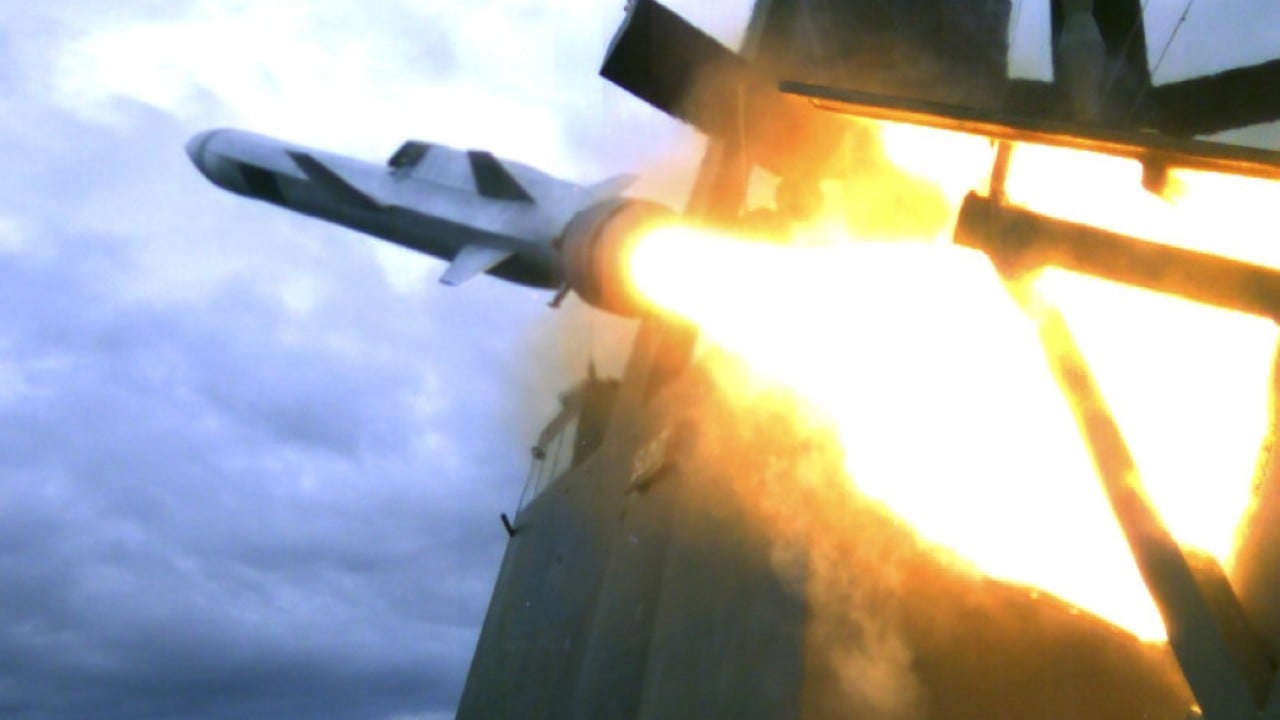
The drama centers on the Naval Strike Missile (NSM), an advanced anti-ship weapon manufactured by Norway's Kongsberg Defence & Aerospace. Malaysia signed up for these missiles back in April 2018. They were meant to arm the navy's new Maharaja Lela-class Littoral Combat Ships (LCS).
By the time Norway revoked the export license in March, Malaysia had already paid roughly 583 million ringgit, which translates to about 146 million US dollars. That is nearly 95% of the contract value. Think about that for a second. You pay for almost the entire product, wait years, and then the seller walks away because their domestic political guidelines shifted.
Malaysia isn't taking this lying down. The Ministry of Defence is aggressively pursuing over 250 million US dollars (around 1 billion ringgit) in compensation. This claim doesn't just cover the cash already sent to Norway. It accounts for the indirect financial damage, including the heavy costs of dismantling mounting equipment already welded onto the ships, retraining naval personnel, and modifying the combat management systems to accept a completely different weapon.
Why Norway Walked Away
Oslo didn't cancel the deal because of anything Malaysia did wrong. The decision stems from a complete reassessment of European security. Following years of heightened geopolitical tension near its borders, Norway heavily tightened its arms-export laws. The new regulations dictate that its most sensitive military hardware can only go to NATO members and the closest regional allies.
Norwegian Defence Minister Tore O. Sandvik even offered a public apology during the Shangri-La Dialogue defense forum, explaining that the shift was purely about their new security reality. He insisted it wasn't a personal snub against Kuala Lumpur.
But for Malaysia, that explanation isn't good enough. Minister Khaled publicly criticized the move at the same forum, pointing out a blatant double standard in global politics. When a developing nation breaks a contract, it faces international isolation and legal threats. When a Western power does it, the global community stays silent.
The Logistics Nightmare of Switching Missiles
Replacing a missile system isn't like swapping a AA battery. You can't just buy a Turkish or South Korean missile and drop it onto the deck.
The physical structure of the Littoral Combat Ships presents an immediate engineering challenge. The ships were already physically modified with specific mounting brackets designed exclusively for the Norwegian NSM. A new supplier means engineers have to cut out those mounts, redesign the deck interface, and install new hardware.
Then there's the software. The Maharaja Lela-class ships use a French-built combat management system. Any replacement missile must be completely compatible with this specific software architecture. If the missile can't talk to the ship's computers, it's just an expensive paperweight.
Minister Khaled made it clear that the selection criteria for the new supplier will focus heavily on two non-negotiable points: speed of delivery and immediate compatibility. The navy can't afford to wait around for another decade.
Who Is in the Running to Replace Norway
With Norway out, Malaysia is looking toward non-traditional suppliers who don't bring the same heavy geopolitical baggage. Turkey and South Korea have emerged as the frontrunners.
The Turkish Option
Ankara has rapidly built up its domestic defense industry and does not tie its military exports to the same strict ideological strings as Western European nations. Turkish defense firms offer highly capable anti-ship missiles like the Atmaca, built by Roketsan. Turkey's willingness to transfer technology makes them an incredibly attractive partner for Malaysia, which wants to build up its own local defense capabilities.
The South Korean Contender
South Korea is another powerhouse in naval weaponry. Their Haeseong (C-Star) anti-ship missile is reliable, combat-ready, and proven. LIG Nex1, the manufacturer, has a great track record of delivering hardware on time without sudden political U-turns.
The Mystery European Nations and the US
Two unspecified European nations are still being assessed, though any deal with them will likely face intense scrutiny after the Norway debacle. Meanwhile, the United States has also floated an alternative option, though American weapons often come with rigorous usage oversight and strict congressional approval processes.
The Long Shadow of the LCS Program
You can't fully understand this missile crisis without looking at the broader context of Malaysia's naval modernization efforts. The Littoral Combat Ship program has been a controversial topic within the country for over a decade.
Work on the fleet originally started in 2011. The program has been plagued by massive cost overruns, management issues, and severe delays. Not a single ship is active yet.
The defense ministry claims this missile cancellation won't delay the current ship delivery schedule. The first vessel, the KD Maharajalela, is scheduled for delivery in December. The remaining four ships are staggered through April 2029. But adding a sudden engineering redesign to the mix right before the first ship launches is bound to stretch the navy's resources to the absolute limit.
Actionable Next Steps for Regional Defense Planners
This situation offers a blueprint of what not to do in modern military procurement. If you're involved in state defense or strategic planning, there are clear lessons to implement immediately.
First, rewrite procurement contracts to include massive, immediate financial penalties for unilateral political cancellations. Relying on goodwill or traditional treaties isn't a strategy anymore.
Second, prioritize open-architecture combat systems. When you buy a ship, ensure its software can integrate with weapons from multiple global regions. Being locked into a single supplier's ecosystem makes you a target for political leverage.
Third, look closely at non-aligned defense giants. Diversifying your supplier base with nations like Turkey or South Korea provides an essential buffer when Western export controls tighten up overnight. Malaysia is learning this lesson late, but the rest of the world should be paying attention right now.