Nearly one thousand children have died. That is the grim reality of the ongoing measles epidemic sweeping through Bangladesh, a nation now grappling with its worst health emergency in decades.
If you are wondering how a preventable airborne disease has managed to claim this many young lives, you have to look past the basic headlines. The crisis is not just about a virus. It is about severe immunisation gaps, political upheaval, and a healthcare system stretched past its absolute breaking point.
The numbers are staggering. Since March, health authorities have recorded over 166,000 suspected infections, pushing the death toll from suspected cases to 999 according to the Directorate General of Health Services. Hospitals in densely populated urban hubs like Dhaka, Rajshahi, and Chattogram are flooded. When you have medical facilities built to handle dozens of patients suddenly dealing with hundreds of severe cases, care breaks down entirely.
How Immunity Gaps Opened the Door
Measles does not give you room for error. The World Health Organization is clear: you need a 95% vaccination coverage rate to achieve herd immunity and protect infants who are too young to receive the jab, along with immunocompromised individuals. Bangladesh is falling painfully short of that target.
While the country historically prided itself on strong routine immunisation programs, recent years brought a cascade of failures. The COVID-19 pandemic disrupted regular clinic visits back in 2021 and 2022. Then, consecutive political upheavals—including the mass uprising in 2024 that ousted former Prime Minister Sheikh Hasina and the subsequent transitions—derailed scheduled nationwide vaccination campaigns.
Children who turned four or five years old during these disruptions missed their critical doses. That created an enormous pool of zero-dose and under-vaccinated kids. When the virus found them, it moved like wildfire through dense neighborhoods and informal urban settlements.
The Multi-Pronged Burden on Healthcare
Treating measles once it takes hold is difficult because there is no specific cure. Clinicians can only manage symptoms and treat deadly secondary complications like severe pneumonia, brain swelling, and dehydration.
To complicate matters further, the measles outbreak is not happening in a vacuum. Hospitals are simultaneously fighting a massive surge in dengue fever cases. Doctors report that facilities designed for a handful of vector-borne illness patients are currently housing hundreds. Pediatric units are running on fumes, and frontline workers are dealing with cancelled leaves and exhausting shifts just to keep up with the admission rates.
What Authorities Are Doing Right Now
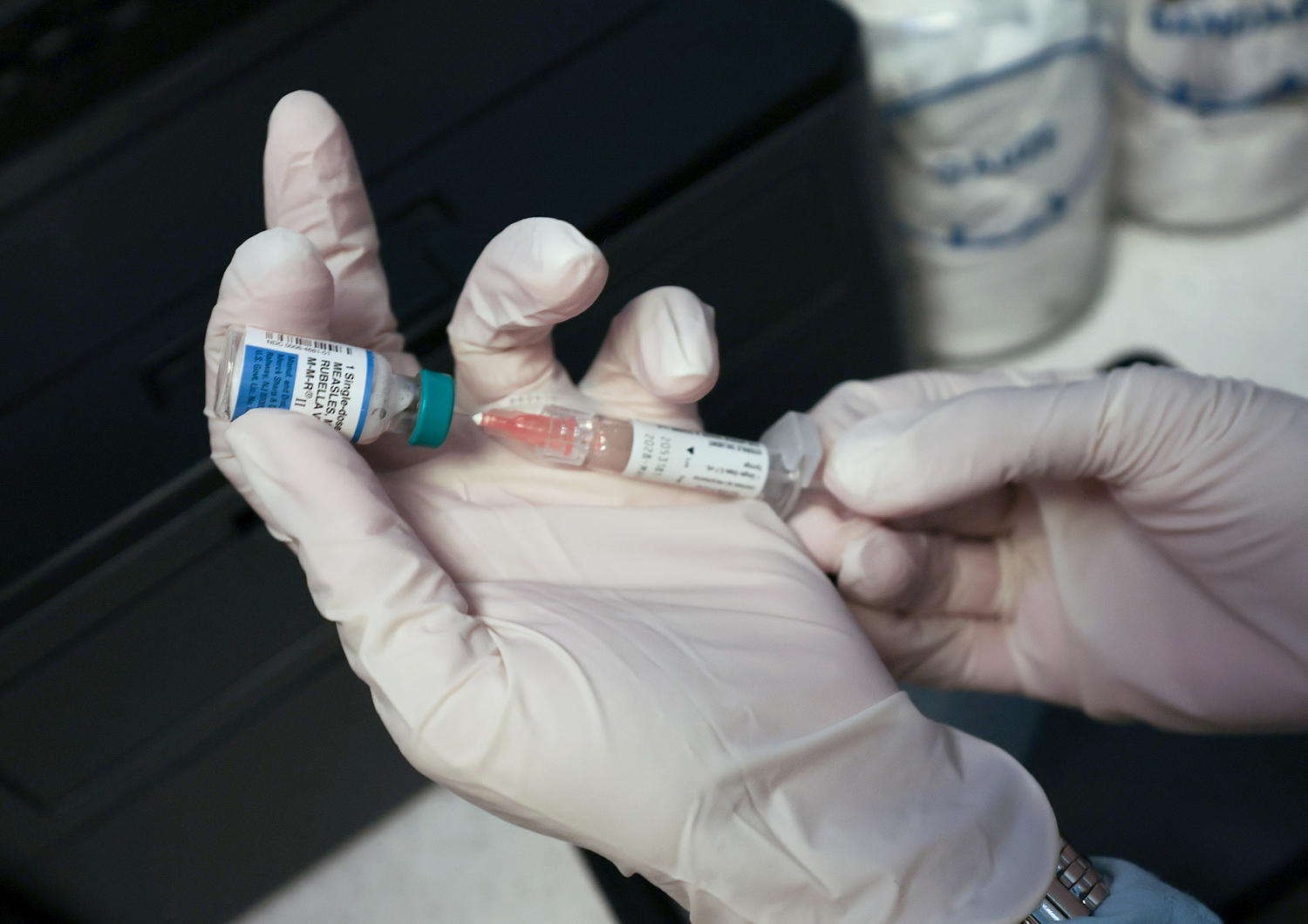
The government, alongside international partners like UNICEF, the World Health Organization, and Gavi, scrambled to launch emergency mass vaccination drives starting in April. Mobile teams have targeted tens of millions of children aged 6 to 59 months, pushing out doses regardless of prior vaccination history to close the immunity gap as fast as possible.
Yet, stopping an epidemic of this scale requires more than sticking needles in arms. Public health experts point out that chronic childhood malnutrition is fueling the severity of the infections. A malnourished child's body stands very little chance against the ravages of the virus.
If you are looking at public health lessons from this disaster, the takeaway is stark. Routine immunisation is fragile. When political instability and supply chain breakdowns interrupt routine child health tracking, the consequences are measured in children's lives.
Protecting communities means keeping health infrastructure funded, accessible, and completely insulated from political friction. Until catch-up vaccination campaigns reach every last pocket of missed children, the threat remains active.