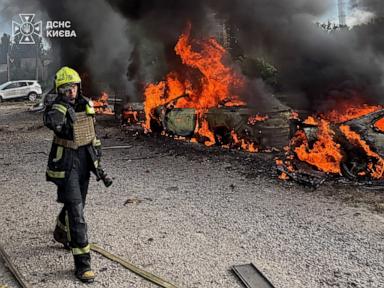
Middle East energy corridors aren't nearly as safe as financial markets pretend they are. When Yemen's Houthi movement recently launched direct strikes targeting Saudi Aramco facilities in Yanbu and military infrastructure in Khamis Mushait[cite: 1], they didn't just rattle regional security. They exposed the raw fragility protecting global oil supply chains.
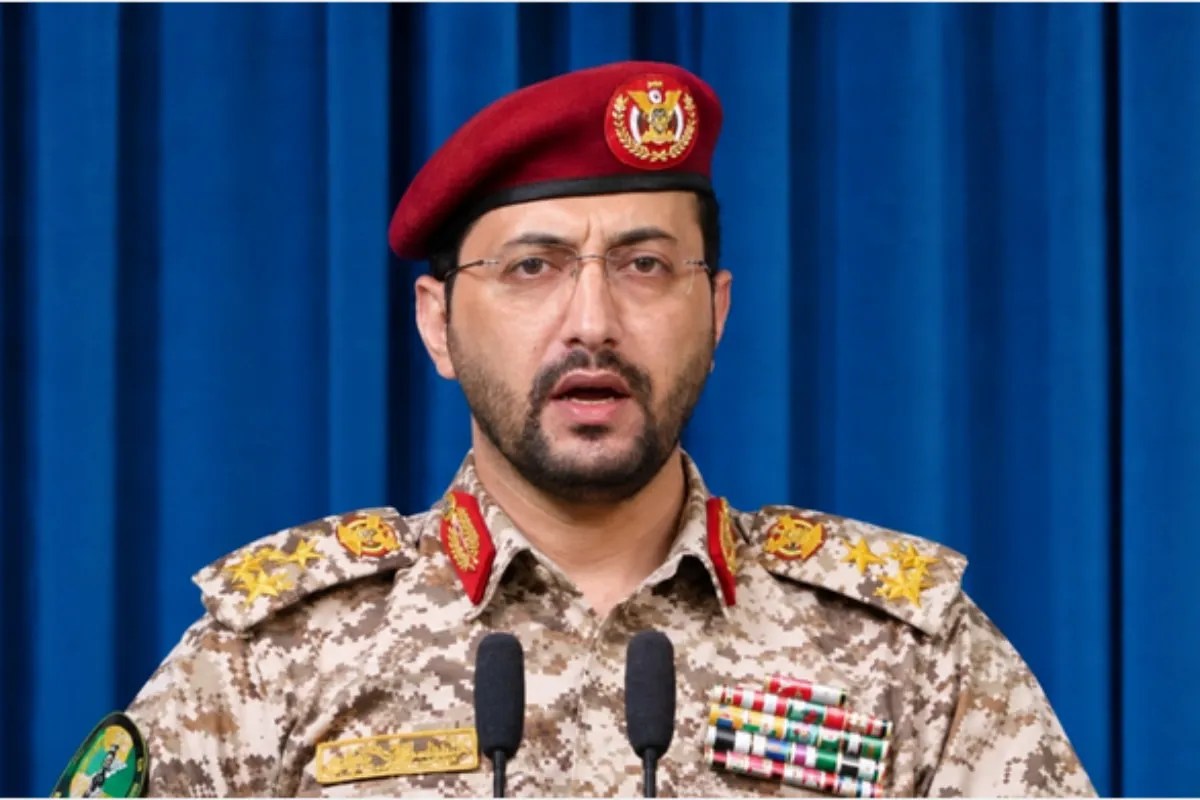
If you've been tracking regional updates, you already know that Houthi military spokesman Yahya Saree confirmed these operations[cite: 1]. But looking past the standard headlines reveals a deeper tactical shift. The geopolitical fault lines stretching from the Bab el-Mandeb strait to vital Saudi infrastructure are cracking under the weight of wider regional proxy friction, particularly involving Iran and Western powers[cite: 1].
The Real Cost of Yanbu and Khamis Mushait Strikes
Energy infrastructure makes for an inviting target when asymmetric warfare meets modern drone technology. Yanbu is a critical economic artery on Saudi Arabia’s Red Sea coast. Hitting facilities here isn't just about scoring a symbolic military victory against Riyadh; it's about signaling to international markets that critical petroleum assets remain within firing range.
Khamis Mushait houses essential air defense and military installations. When Houthi drones or missiles bypass or test these zones, it forces the Saudi coalition into an expensive, defensive posture. Interceptor missiles cost millions. Cheap drones cost thousands. That economic mismatch is precisely what the Houthi command relies on to sustain long-term strategic pressure.
Stripping Away the Propaganda Layer
The conflict zone is flooded with competing narratives. Riyadh has previously accused insurgent forces of attempting provocations near holy sites like Mecca, only for Houthi representatives—such as Hezem al-Asad—to aggressively push back, dismissing those specific claims as recycled friction tactics[cite: 1].
At the same time, claims regarding downed military hardware, including disputed accounts surrounding Saudi F-15 fighter jets, highlight an intense information war running parallel to the physical conflict[cite: 1]. You can't separate the actual missile trajectories from the digital propaganda warfare. Both sides weaponize narrative generation to demoralize adversaries and rally domestic or allied support.
Why This Conflict Won't Cool Down Soon
To understand why these hostilities persist, look back to the origins. The crisis didn't materialize overnight. Ever since late 2014 when insurgent forces seized Sana'a and large swaths of northern Yemen, followed by the 2015 intervention of the Saudi-led coalition backing the internationally recognized government, the region has locked into a destructive cycle[cite: 1]. Tehran's backing of the Houthi movement gives them sustained operational endurance, while Riyadh continues its defense[cite: 1].
As global alignments shift and major powers stay entangled in overlapping theaters, localized conflicts like this one absorb broader geopolitical shockwaves.
Watch the Bab el-Mandeb strait closely. That narrow maritime chokepoint handles a massive percentage of global trade. Every drone launched toward Saudi facilities acts as a stress test for international shipping, energy costs, and regional stability.
Don't expect a diplomatic breakthrough anytime soon. The underlying incentives for de-escalation are weak when both sides believe they can still alter facts on the ground through force.