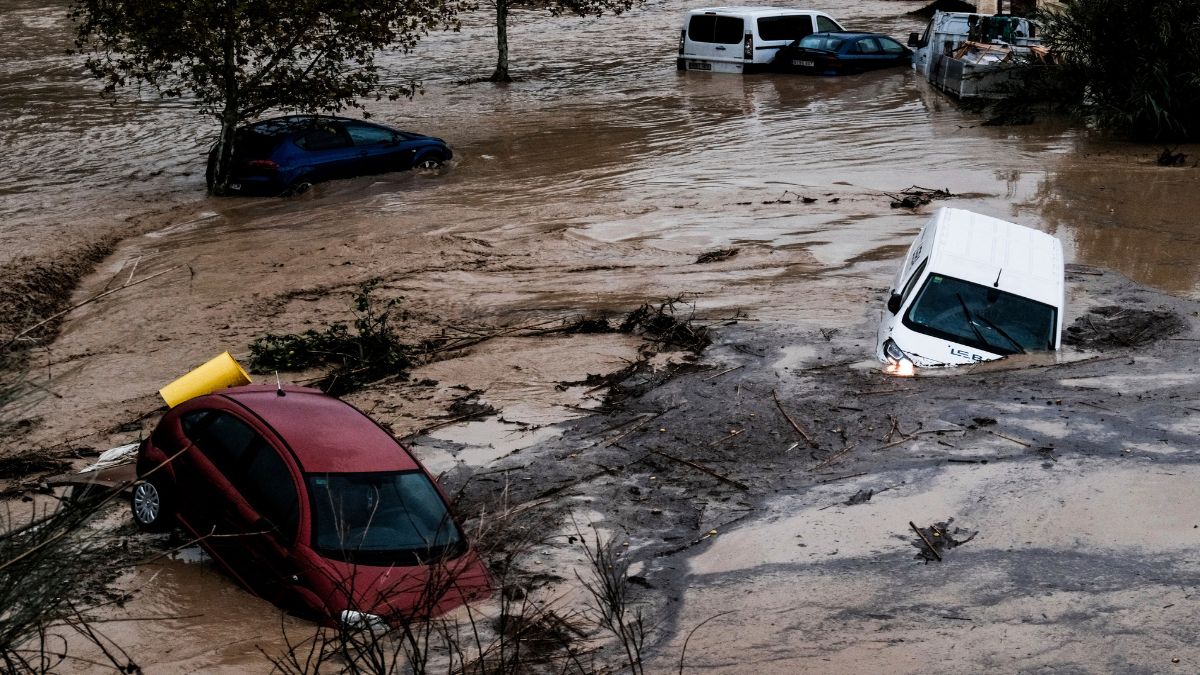
In one of the driest places on Earth, water is currently doing the unthinkable. It’s tearing through the Antofagasta region, sweeping vehicles down hillsides and burying homes under deep layers of mud. If you’ve followed the news, you’ve seen the footage of cars being tossed like toys. But the reality on the ground in Tocopilla and beyond is much grittier than a viral video suggests.
When I look at the current crisis in northern Chile, it’s clear we’re seeing a total failure of infrastructure against an enemy it wasn’t built to fight. Tocopilla, a port city, is facing a disaster where roughly 60% of homes are either flooded or trapped under debris. This isn’t just a storm. It’s a systemic shock.
Why This Arid Region Can’t Handle Rain
Most people assume northern Chile is just a permanent desert. That’s true. It’s the Atacama, the driest non-polar region globally. Because it doesn’t rain there, the soil isn't absorbent. It’s like pouring water onto a slab of concrete; there’s nowhere for it to go.
When you get intense precipitation, you don’t get a gentle soak. You get an immediate, violent cascade. This is exactly why the recent mudflows—or aluviones—are so devastating. The landscape doesn’t have the vegetation or the drainage systems to manage the volume. It’s basic physics, but the human cost is massive.
The Human Toll Beyond The Headlines
President José Antonio Kast has declared a state of catastrophe for the province of Tocopilla. That’s not just a political gesture. It’s a move to unlock emergency funding and move military resources in. Roads are currently blocked by debris, meaning aid has to arrive by air.
While the world watches the dramatic clips of cars being swept away, the real story is the isolation. Thousands of people are cut off from electricity, water, and reliable communication. I’ve seen this before in other disaster-prone zones; the immediate panic is only the beginning. The aftermath—clearing the mud, rebuilding the roads, and finding out which structures are actually safe to inhabit—is where the real fight happens.
A Pattern of Extreme Weather
This isn't a one-off event. Chile has been hammered by severe storms throughout July and August 2026. Experts point to a recurring Pacific weather pattern, but the intensity is catching even seasoned meteorologists off guard.
- Infrastructure strain: Cities like Tocopilla weren't engineered for torrential downpours.
- Economic impact: Copper mining, the backbone of the region's economy, has faced repeated disruptions, with some major operations revising production targets downward.
- Cascading emergencies: We aren't just talking about water. There have been prison evacuations, rockfalls on major highways, and even snowstorms at high altitudes in the Atacama.
What Should You Actually Know
If you're tracking this, don't just wait for the next video clip. Understand the geography. The "quebradas"—or ravines—that typically stay dry for years are now the primary conduits for these mudslides. Authorities are currently using these as evacuation markers, but when the ground gives way, evacuation routes disappear.
One person has already died in the Antofagasta region due to falling rocks, and dozens more have been injured. This serves as a grim reminder: in flash flooding, the danger isn't just the water. It’s the terrain itself coming down on top of you.
How to Stay Informed
If you have family in the region or are monitoring the situation, rely on local government channels like SENAPRED (the National Service for Disaster Prevention and Response). They provide the most immediate alerts about which sectors are under evacuation orders.
Don't rely on social media for real-time safety info; it's often outdated or lacks context. Stick to official state updates and avoid non-essential travel to northern regions until the debris is cleared and the ground stabilizes.
The weather will eventually turn, but the recovery in Tocopilla will take months. Keep an eye on the infrastructure reports. That's the real metric of how this region survives the coming weeks.