Most people chase perfection. J. David Bamberger wanted wreckage.
Back in 1969, the co-founder of Church's Fried Chicken walked away from standard real estate listings. He didn't want a sprawling Hill Country spread with a fancy main house and a private airstrip. He asked a U.S. Department of Agriculture soil agent to find him something specific: the absolute worst, most abused piece of ranchland in Texas.
He got what he asked for. Three thousand acres of rock, dust, and stubborn Ashe juniper near Johnson City. Generations of heavy cattle grazing had stripped the topsoil clean down to the limestone. The local creeks were bone dry, the water table had cratered, and not a single natural spring flowed on the property. Local ranchers thought he had completely lost his mind.
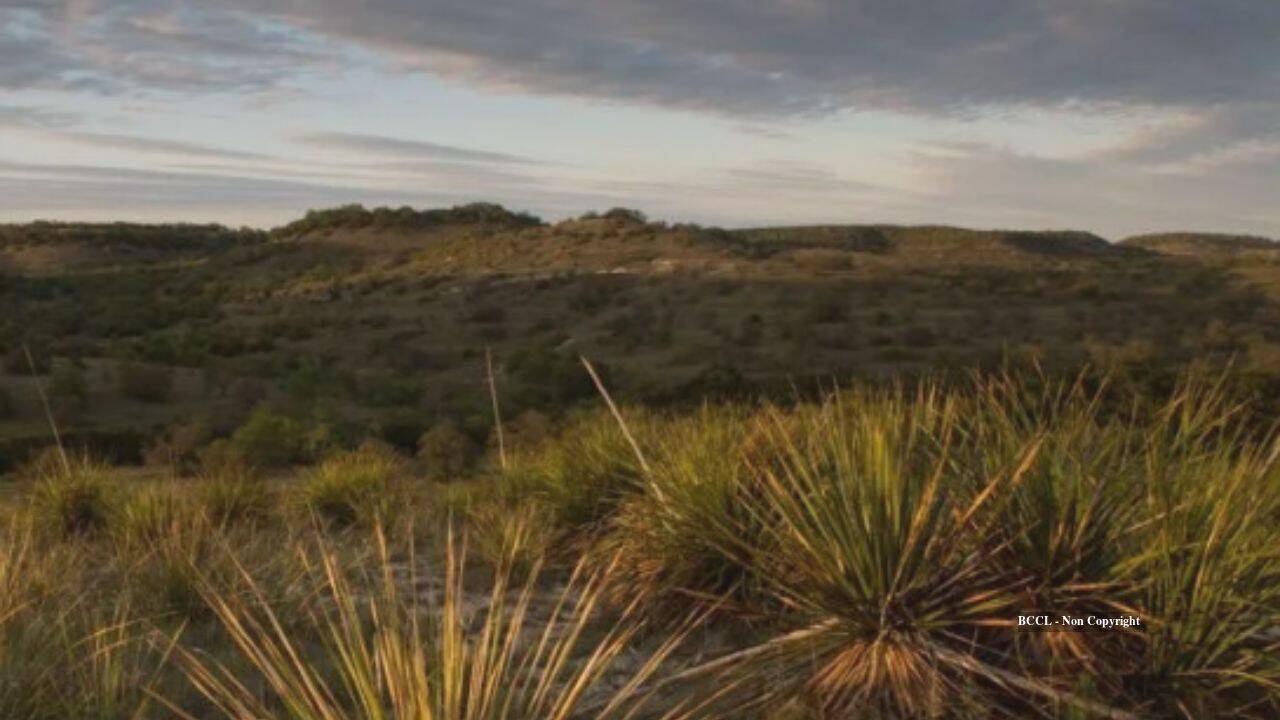
Instead of writing off the dirt, Bamberger spent the next fifty-plus years orchestrating one of the most remarkable ecological revivals in American history. Today, that desolate dust bowl is known as the Selah, Bamberger Ranch Preserve—a thriving 5,500-acre sanctuary where underground springs run clear and more than 220 bird species call home.
Here is how he pulled it off, and why his methods offer a masterclass in land stewardship that modern developers routinely ignore.
The Roots of an Obsession
Bamberger didn't stumble into conservation by accident. Growing up dirt poor during the Great Depression in a home without electricity or running water, he learned early on to respect the earth. As a teenager, his mother handed him Louis Bromfield's classic book Pleasant Valley, which documented the revival of worn-out farmland in Ohio.
That book planted a seed. Years later, after making a fortune when Church's Fried Chicken went public, Bamberger decided to put his money where his childhood ideals were. He cashed out, skipped the luxury lifestyle, and bought the exhausted Blanco County acreage.
He wasn't trying to build a trophy property. He wanted to prove a point: damaged land, given patience and proper care, can heal itself.
Fixing a Broken Water Cycle
You can't just plant a few trees and wait for rain to fix a landscape that has suffered decades of abuse. Bamberger approached the problem like an engineer diagnosing a broken machine.
The primary culprit behind the dry creeks wasn't just a lack of rain—it was runoff. Because the soil was compacted and stripped of native vegetation, every time it stormed, water slammed into the hard ground and rushed off the property in muddy flash floods, carving deep gullies instead of sinking into the aquifer.
Bamberger brought in experts—whom he affectionately dubbed his "Aggies"—to rebuild the water cycle from the ground up:
- Clearing the Thirst: Crews systematically cleared dense thickets of Ashe juniper, commonly called cedar, which drank millions of gallons of shallow moisture before rainfall could ever reach the soil.
- Slowing the Flow: Workers built low stone dams and barriers along hillsides to trap sediment and force storm runoff to slow down and sink inward.
- Reseeding the Prairie: They bought up massive quantities of native grass seed, turning barren dirt back into a living sponge that absorbed moisture and locked the topsoil in place.
It took years of grueling manual labor. But the strategy worked.
As underground aquifers recharged, hydraulic pressure built up beneath the limestone layers. Long-dormant rock fissures began to weep, then trickle, and finally gush. Springs that had been dead for half a century came back to life. Today, multiple families and a massive web of wildlife survive entirely on spring water that didn't exist when Bamberger bought the deed.
Moving Beyond Commercial Noise
Most modern land management focuses on extracting maximum value until a property breaks. Bamberger did the exact opposite. He poured his wealth into putting nature back together, eventually turning the entire ranch into a non-profit operational foundation designed to teach children and landowners how to care for rural ecosystems.
He didn't rely on government subsidies or corporate grants. He used his own capital, logic, and a stubborn refusal to accept that ruined land has to stay ruined.
If you own land—whether it is a sprawling acreage or a suburban backyard—the lesson is simple. Stop fighting the natural systems around you. Clear out the invasive clutter, slow down the water when it rains, and give native plants room to breathe. The earth usually knows what to do if you just get out of its way.
The Fried Chicken Executive Who Bought The Worst Land in Texas
This video provides a visual look at the decades-long transformation of the Selah, Bamberger Ranch Preserve and the methods J. David Bamberger used to restore the landscape.
http://googleusercontent.com/youtube_content/1

 (1).webp)