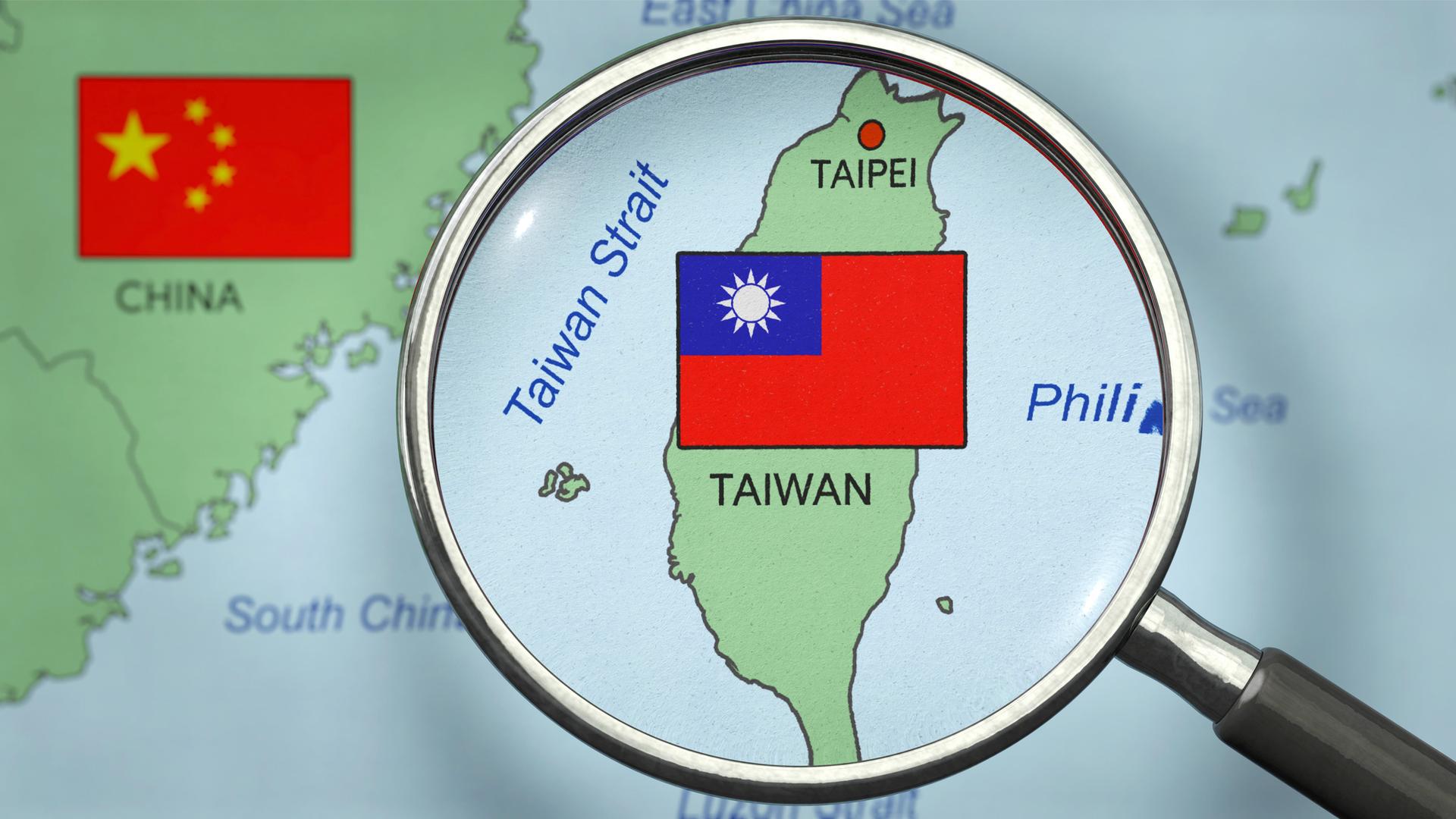
Geopolitical pressure doesn't always announce itself with warships or artillery barrages. Sometimes, it happens quietly in a government office in Port Moresby, where a seven-day expulsion order ends a diplomatic footprint that stood for over three decades.
Taiwan’s recent decision to shut down its representative office in Papua New Guinea isn't just a localized news blip. It is a masterclass in how Beijing uses economic gravity and political arm-twisting to squeeze Taipei out of the international arena. If you want to understand how modern statecraft actually works in the Pacific, look closely at what happened here.
The Anatomy of a Forced Exit
The timeline tells the real story. Back in July, Papua New Guinea’s foreign minister demanded the immediate closure of the Taipei Economic Office, pointing to the country's adherence to the "one-China" policy. After diplomatic scrambling, a tentative agreement gave Taiwan a twelve-month grace period to wind down operations.
Then came the about-face. In November, Port Moresby shortened the timeline drastically, giving Taiwanese diplomats just seven days to pack their bags.
Taipei didn't wait to be pushed out the door twice. Taiwan's Ministry of Foreign Affairs took control of the narrative, announcing the complete closure of the mission and the immediate withdrawal of all personnel. They also pulled the plug on liquefied natural gas (LNG) spot purchases and ended technical aid programs. When you get shown the door, you don't leave your valuables behind.
Economic Leverage Versus National Dignity
Let's talk about the underlying mechanics. Papua New Guinea is a resource-rich nation, and Taiwan has historically been an active buyer of its energy products, importing roughly eight percent of its natural gas from Port Moresby last year.
Beijing didn't sit on its hands during this diplomatic friction. Chinese officials quickly signaled a willingness to ramp up LNG imports from Papua New Guinea, filling any economic void left by Taiwan's departure.
This is the core vulnerability of unofficial diplomacy. Small developing nations face an impossible balancing act. When major powers dangle large-scale infrastructure investments, trade agreements, and resource purchases, smaller governments often buckle under the weight of those incentives. Economic survival usually wins out over abstract principles of international solidarity.
The Broader Fallout in the Pacific
This incident is part of a much larger playbook. Over the last decade, we've watched Beijing systematically pressure countries to downgrade, rename, or outright shutter Taiwan's overseas representative offices. From Fiji and South Africa to Lithuania, the pressure points are remarkably consistent.
International reactions followed a predictable script. The United States State Department voiced deep concern, calling the move part of a broader intimidation campaign by Beijing that undermines sovereign choices. Meanwhile, experts point out that this trend will likely accelerate. Countries that lean heavily toward Beijing, or those attempting to walk a tightrope of diplomatic ambiguity, remain prime targets for similar pressure campaigns.
Taiwan's response signals a clear strategic shift. Instead of clinging desperately to hostile environments, Taipei is choosing to reallocate its diplomatic resources toward allies and like-minded partners who actually want cooperative frameworks. Protecting national dignity matters more than keeping up appearances in a deeply compromised post.
Stop expecting economic aid alone to insulate smaller nations from superpower politics. The rules of engagement have changed, and Taipei is drawing a hard line.