You didn't plan your trip to Paris to stare at steel security shutters. Yet, that's the reality hitting travelers and art collectors right now as France's capital braces for a wave of unrest.
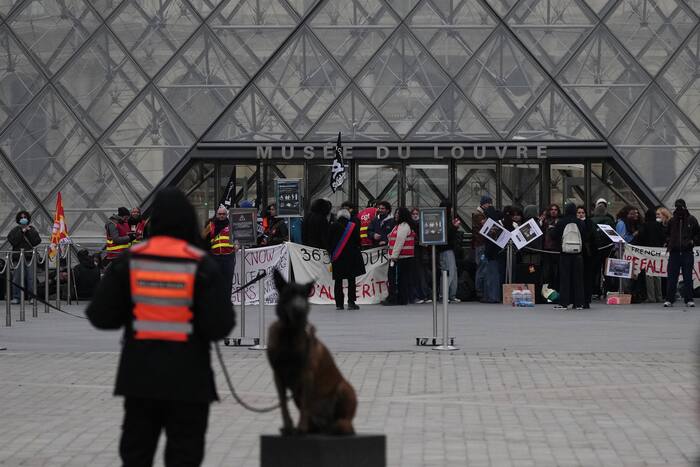
The French culture ministry just dropped a heavy directive. The Louvre, the Musée d'Orsay, and the Picasso Museum are locking their doors this Saturday. They aren't taking chances with public safety. Riots over living costs turned destructive last weekend, leaving burned cars, smashed windows, and bruised police lines in their wake.
When national icons like the Louvre pull down their gates, you know social tensions have boiled past a tipping point.
The High Cost of Social Unrest on Culture
Cultural institutions don't close lightly. Every single day the Louvre stays dark, millions of euros in ticket revenue vanish, not to mention the logistical nightmare for international tourists who booked slots months in advance.
Yet, the memory of last weekend's chaos forced the ministry's hand. When protesters clash with authorities, public cultural hubs become flashpoints. The official directive mandates strict measures to protect staff, secure priceless artworks, and keep visitors out of harm's way.
It's not just historical museums feeling the pinch, either.
Art Basel Paris Caught in the Crossfire
Take the Grand Palais. It's currently hosting Art Basel Paris, drawing 211 international galleries for what many inside the industry call the Olympics of contemporary art.
Organizers gave ticket holders two days of invite-only browsing before opening to the general public on Friday. But that public window slammed shut almost immediately. Facing the threat of massive demonstrations scheduled for Saturday, organizers pulled the plug on the entire weekend program.
Artists and collectors understand the call, even if it hurts. International visitors who flew thousands of miles are walking away empty-handed. But when streets turn volatile, elite art fairs take a backseat to basic security. Local gallery owners like Antoine Donzeaud and Elisa Rigoulet noted that the closure respects the urgency of the social demands shaking the country.
What This Means If You Are Traveling to France Right Now
If you are currently in Paris or packing your bags for an upcoming trip, stop assuming your itinerary will run on schedule.
- Check daily status updates: Do not rely on normal operating hours listed in guidebooks. Major cultural spots can shut down with zero notice if local authorities issue security alerts.
- Avoid protest zones: Stay clear of major squares, government offices, and transit hubs on weekends when large demonstrations are organized.
- Keep flexible plans: Swap outdoor monuments and central museums for neighborhood cafes or indoor spots outside the primary protest corridors.
Public life in France has a long history of intersecting with fierce political expression. When citizens take to the streets over economic pressure, the city shifts overnight. Protect your schedule by staying alert, checking local transport apps, and treating museum tickets as tentative until you walk through the security gates.