If you thought the chaos surrounding federal student loans was finally settling down, think again. The Department of Justice just officially dropped its appeal to overhaul the Public Service Loan Forgiveness program. For millions of nurses, teachers, firefighters, and government employees, this means a major sigh of relief. But it also exposes just how volatile federal debt relief has become.
Let's break down what actually happened, why the administration backed off, and what it means for your wallet if you are working toward that 120-payment mark.
The Battle Over Public Service Loan Forgiveness
The Public Service Loan Forgiveness program, or PSLF, has always had strict rules. You make 10 years of qualifying monthly payments while working for a government or non-profit entity, and the remainder of your federal direct loans gets wiped clean. It is a lifeline for public sector workers who traded higher private-sector salaries for steady public service and loan relief.
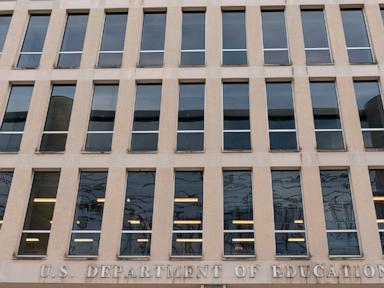
Things got messy when the Department of Education introduced a controversial rule change. The administration attempted to deny "qualifying employer" status to any organization that the Education Secretary decided had a "substantial illegal purpose." That vague classification opened the door to stripping eligibility from employees working for organizations tied to various political disputes, immigration controversies, or advocacy work.
Naturally, the backlash was swift. A coalition of states, non-profit organizations, and municipal groups filed lawsuits to block the rule. In mid-2026, federal judges struck down the overhaul completely, ruling that the Department of Education had overstepped its statutory authority under the Higher Education Act.
Instead of continuing a losing battle in the appellate courts, the administration decided to drop the legal fight entirely.
What This Means for Borrowers Right Now
If you are currently relying on PSLF, the immediate takeaway is straightforward. The rules remain intact as they were before the attempted overhaul. Employers don't have to navigate confusing, politically charged compliance tests just to keep their staff eligible for loan forgiveness.
You still need to meet the core requirements:
- Hold a direct federal loan.
- Enroll in an income-driven repayment plan.
- Make 120 qualifying monthly payments while working full-time for a qualifying public service employer.
The Department of Education had already quietly adjusted application forms to strip out the contested employer attestation questions after the initial district court losses. Dropping the appeal closes the book on this specific chapter of executive overreach.
The Bigger Picture of Student Loan Policy
Every time Washington shifts power, federal student loan programs become a high-stakes chess match. Policies change, courts intervene, and borrowers get stuck in the crossfire.
If you are tracking your progress toward loan forgiveness, don't rely solely on automatic updates or assume program rules are written in stone. Keep meticulous personal records. Download your employment certification forms annually. Track every single qualifying payment inside your federal student aid dashboard.
The system is too unpredictable to leave your financial future to chance. Public servants just secured a major legal victory, but the broader tug-of-war over higher education funding is far from over. Take advantage of the current program stability, get your paperwork certified today, and make sure every month of public service counts toward your final discharge.