Words carry weight, especially once you step into public office. When old podcast clips resurface, the digital footprint always catches up to politicians.
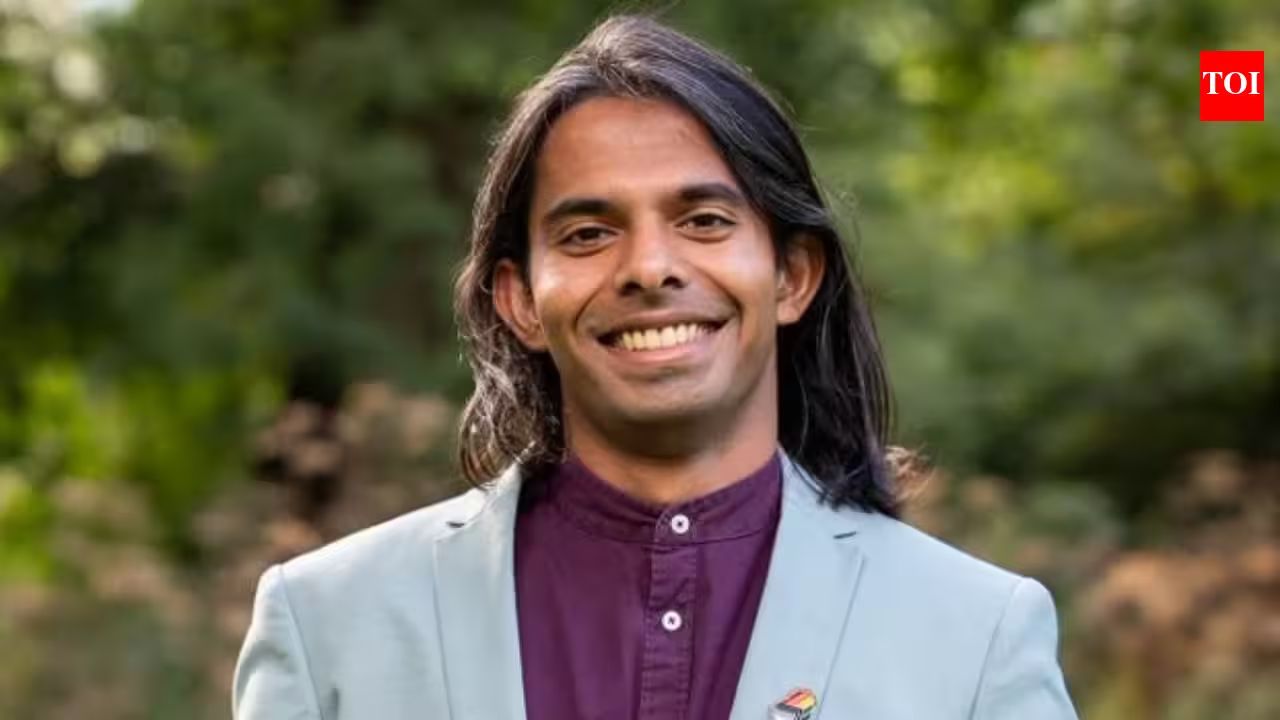
Right now, Scottish Greens MSP Q Manivannan is facing intense political fallout. A snippet from a 2025 interview on The Subjective Space podcast hosted by Dr Sindhu Rajasekaran went viral. In the clip, Manivannan argued that rape exists on a "spectrum" and discussed society's framing of sexual offenses. Naturally, the internet reacted instantly. Critics slammed the remarks as minimizing sexual violence, while political opponents demanded immediate disciplinary action. Let's look past the outrage headlines and examine what was actually said, why it triggered such a fierce backlash, and how modern political communication handles archived media.
The Origins of the Controversy
The controversial interview happened long before Manivannan secured a seat in the Scottish Parliament. Recorded back in February 2025, the conversation touched on academic theories regarding crime, societal conditioning, and perpetrators. Manivannan—an Indian-born immigrant, queer Tamil activist, and doctoral researcher—won election as a regional MSP for Edinburgh and Lothians East in May 2026.
Months into their term, the archived audio clip hit social media. In the recording, Manivannan questioned the trope of the stereotypical "monster rapist" hiding in an alleyway. They suggested that society struggles to process how ordinary individuals can commit such acts, arguing that examining these behavioral conditions requires looking at a broader spectrum of violence and social conditioning.
Political Fallout and Demands for Action
The reaction from rival political parties was swift and uncompromising. Scottish Labour MP Tracy Gilbert publicly called the remarks alarming. Gilbert rejected any framing of sexual violence as a spectrum and urged Manivannan to issue a full retraction and apology. At the same time, opposition figures like Reform UK MSP Senga Beresford demanded that party leaders suspend the whip while investigating the comments.
For the Scottish Greens, this controversy presents a major communications crisis. Co-leaders face intense pressure to distance party policy from individual academic musings recorded before election day. Critics argue that elected officials must be held accountable for any rhetoric that blurs the legal boundaries of consent and assault.
Defending the Context
Manivannan pushed back against the viral interpretation. They argued that their words were taken completely out of context. According to their defense, the reference to a "spectrum" targeted narrow legal and societal definitions of sexual violence rather than minimizing the crime itself.
Furthermore, Manivannan stated that their commentary on the "demonisation" of rapists aimed at dismantling harmful stereotypes. Popular media often paints perpetrators exclusively as external monsters, which can make it harder for victims to recognize abuse when it comes from someone they know. Manivannan maintained that victims must be believed and that offenders deserve severe punishment.
What This Means for Digital-Age Politicians
This incident highlights a brutal reality for modern politicians. Every piece of media you produce follows you. Academic discussions, student podcasts, and casual panel talks are archived forever. When someone transitions from an activist or researcher into a legislative role, opponents will scour that history for ammunition.
Nuanced academic phrasing rarely survives translation into a thirty-second social media clip. When complex sociological theories about crime meet the rigid demands of parliamentary politics, nuance is the first casualty.
Stop treating online soundbites as comprehensive policy positions, but remember that optics dictate political survival. The fallout from this podcast appearance shows that public trust is fragile, and cleaning up a digital footprint requires absolute clarity from day one.