The black market for rare minerals in Central Africa doesn't live in the jungle. It thrives in high-tech boardroom meetings, clean refining facilities, and legitimate-looking supply chains.
On June 25, 2026, the US government dropped a heavy financial hammer on this exact pipeline. The Department of the Treasury's Office of Foreign Assets Control blacklisted six specific targets, including two people and four corporate entities. Their crime? Operating a massive mineral laundering network that funnels wealth straight from the war-torn Democratic Republic of the Congo into the hands of the Rwanda-backed M23 rebel group.
This isn't just another routine policy update from Washington. It marks a fundamental shift in how Western powers are fighting resource-fueled wars. For years, international efforts focused on blockading local mines or sanctioning rebel warlords. That didn't work. Warlords don't care about Western bank accounts.
Instead, the US is going after the commercial chokepoints.
The Kigali Connection and the Gold Paradox
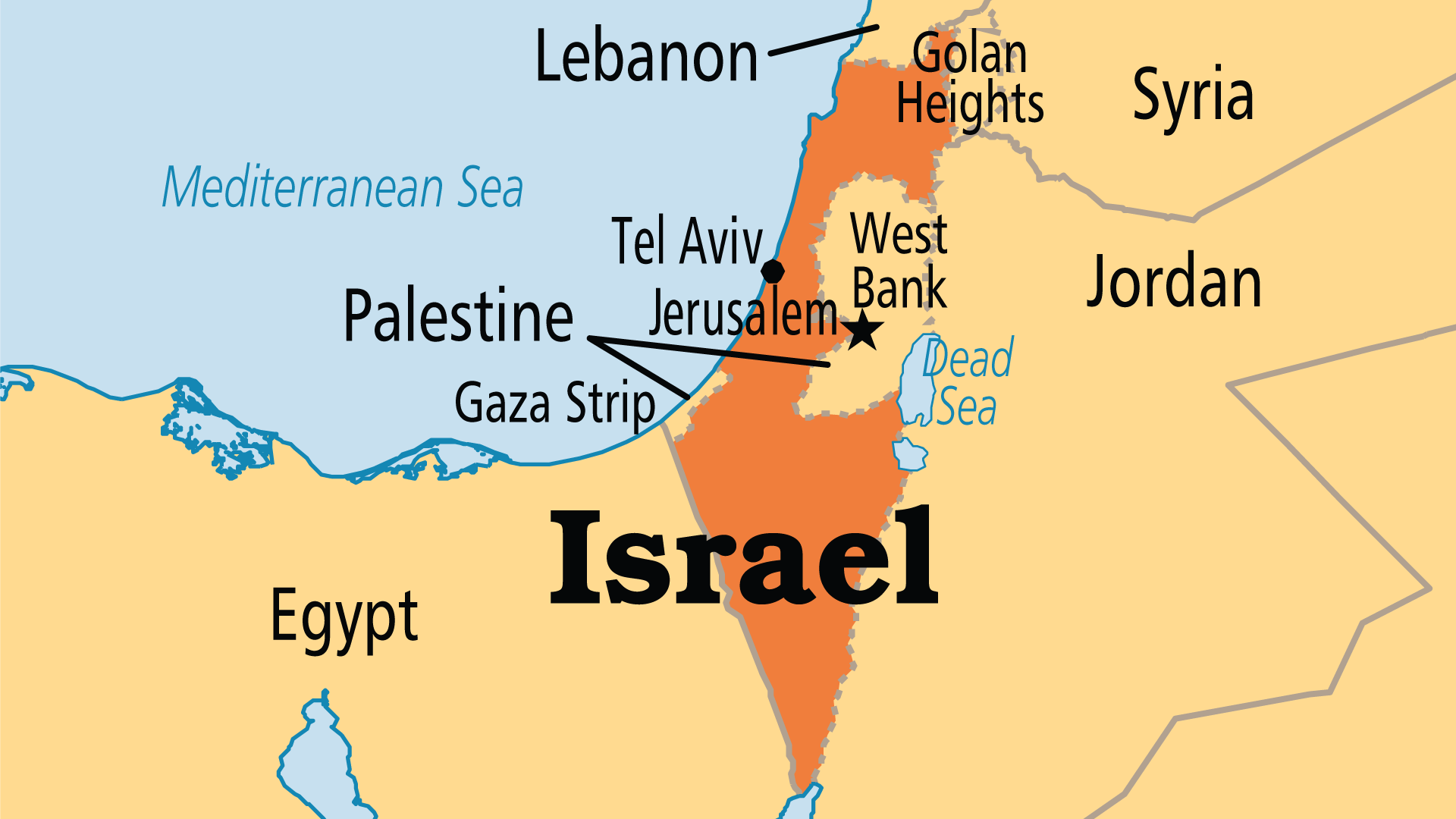
The centerpiece of this newest sanctions package is Gasabo Gold Refinery Limited, a major processing facility located in Kigali, Rwanda. Alongside the refinery, the US blacklisted its chairman, Jean Malic Kalima, and three other Rwandan mining operations.
To understand why this matters, you have to look at Rwanda's glaring economic paradox. The country has almost no natural gold reserves. Yet, over the last few years, it became a powerhouse exporter of refined gold.
Where does the metal come from? The US Treasury paints a stark picture.
Armed M23 rebels and elements of the Rwanda Defence Force take control of rich mining regions in eastern Congo, such as the North and South Kivu provinces. They force locals to work, levy illegal taxes, and extract valuable minerals like gold and coltan. From there, military and rebel escorts secure the loot. They fly or drive it across the border into Rwanda's Rusizi District.
Once the smuggled ore hits Gasabo Gold Refinery, the magic happens. The dirty gold is melted down, stamped with a legitimate seal, and sold to global markets.
Washington Accords Facing a Reality Check
These new sanctions arrive at a highly sensitive political moment. In December 2025, the US brokered a peace agreement known as the Washington Accords for Peace and Prosperity, signed by both the DRC and Rwanda. The deal aimed to establish transparent, traceable supply chains to ensure regional wealth drives actual economic growth rather than funding bloodshed.
Clearly, paper agreements haven't stopped the flow of illicit wealth.
M23 rebels recently seized major territory in eastern Congo, including provincial capitals Goma and Bukavu. In March 2026, the Rubaya coltan mine—under rebel control—suffered a catastrophic shaft collapse, highlighting the brutal and unregulated conditions under which these materials are pulled from the earth. By shutting down the financial infrastructure that turns these tragic events into cold cash, Washington wants to make the occupation of Congolese land too expensive to maintain.
What This Means For Global Businesses
If you manage a business that relies on electronics, aerospace components, or jewelry, the compliance landscape just became a minefield. Western tech and manufacturing sectors can no longer plead ignorance about where their raw materials originate.
The US Treasury has frozen all American assets connected to Gasabo Gold Refinery, Jean Malic Kalima, and the associated firms. More importantly, any global entity or bank doing business with these targets faces secondary sanctions.
The days of treating African mineral supply chains with a hands-off approach are officially over. If your business uses gold, tin, tungsten, or tantalum, you need to actively audit your suppliers. Don't rely on simple paperwork provided by mid-tier distributors. Demand granular proof of origin, verify the specific refineries handling your metals, and cross-reference your partners against the updated Office of Foreign Assets Control sanctions list immediately. Relying on an opaque middleman is a quick way to find your company facing massive federal fines and a public relations nightmare.